
“The sepsis syndrome represents an improper immune response to pathogens and is associated with an unacceptably high rate of mortality. Although supportive care is of benefit to the septic patient, there are no viable therapeutics available that target the immune system suitable for the whole septic population. Recently, using a physiologically relevant murine mouse model, the cannabiniod 2 receptor has been shown to play a critical role in the host response to sepsis. Here, the structure, expression, signaling, and function of the CB2 receptor on leukocytes will be reviewed. Further, the effects mediated by the CB2 receptor during sepsis will be reviewed. Altogether, alterations in inflammation and the host response during sepsis by the CB2 receptor support its use as a possible therapeutic agent.”
Experimental cannabinoid 2 receptor-mediated immune modulation in sepsis.
“Sepsis is a complex condition that results from a dysregulated immune system in response to a systemic infection. Current treatments lack effectiveness in reducing the incidence and mortality associated with this disease. The endocannabinoid system offers great promise in managing sepsis pathogenesis due to its unique characteristics.
The present study explored the effect of modulating the CB2 receptor pathway in an acute sepsis mouse model.
Using various compounds we have shown different mechanisms of activating CB2 receptors to reduce leukocyte endothelial interactions in order to prevent further inflammatory damage during sepsis.”
A new face of endocannabinoids in pharmacotherapy. Part I & II
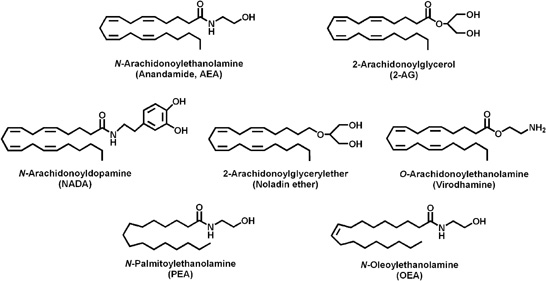
“A new face of endocannabinoids in pharmacotherapy. Part I: Protective role of endocannabinoids in hypertension and myocardial infarction.
Cannabinoids are compounds which were first isolated from the Cannabis sativa plant. For thousands of years they have been used for treatment of numerous diseases.
Currently, synthetic cannabinoids and endocannabinoids are also known. Cannabinoid receptors, endocannabinoids and the enzymes that catalyze their synthesis and degradation constitute the endocannabinoid system which plays an important role in functioning of the cardiovascular system.
The results obtained to date suggest the involvement of endocannabinoids in the pathology of many cardiovascular diseases, including myocardial infarction, hypertension and hypotension associated with hemorrhagic, endotoxic, and cardiogenic shock. Cardioprotective effect and dilation of coronary vessels induced by endocannabinoids deserve special attention.
It cannot be excluded now that in the future our better understanding of cannabinoid system will allow to develop new strategies for treatment of cardiovascular diseases.”
http://www.jpp.krakow.pl/journal/archive/04_14/pdf/171_04_14_article.pdf
“A new face of endocannabinoids in pharmacotherapy. Part II. Role of endocannabinoids in inflammation-derived cardiovaascular diseases.
Endocannabinoids play an important role in cardiovascular diseases caused by inflammatory disorders. Endocannabinoids are endogenous bioactive lipids that activate cannabinoid receptors and together with enzymes responsible for their synthesis and degradation constitute endocannabinoid system.
The results obtained to date suggest the involvement of endocannabinoids in the pathology of many cardiovascular diseases associated with inflammation, such as atherosclerosis, restenosis, chemotherapy-induced myocardial injury, diabetic and hepatic cirrhosis cardiomyopathy.
Our better understanding of cannabinoid system may result in the development of new strategies for the treatment of such disorders.”
http://www.jpp.krakow.pl/journal/archive/04_14/pdf/183_04_14_article.pdf
[Tetrahydrocannabinol for treatment of chronic pain].
“Even in the last century cannabis was used in the treatment of chronic pain. The main active component of cannabis Delta-9-Tetrahydrocannabinol (THC) has been increasingly used in the treatment of nausea, vomiting, loss of appetite and depression. It is also recommended in the treatment of chronic pain. We present our first experiences with THC in the treatment of patients with chronic pain.”
http://www.ncbi.nlm.nih.gov/pubmed/11810357
No Relief Yet for Brutal Oral Cancer Pain, but Cannabinoids May Offer Some Hope

“Many cancer patients endure severe pain and, by far, one of the most excruciating pain conditions is caused by oral cancer, for which even the strongest available pain medications are largely ineffective. One of the nation’s leading oral cancer treating clinicians, speaking at the American Pain Society’s annual meeting, said he believes that while prospects for major treatment advances remain bleak, a new cannabinoid-based medication may have some promise for providing meaningful pain relief.” http://www.newswise.com/articles/no-relief-yet-for-brutal-oral-cancer-pain-but-cannabinoids-may-offer-some-hope
Marijuana Rated Most Effective for Treating Fibromyalgia

“Medical marijuana is far more effective at treating symptoms of fibromyalgia than any of the three prescription drugs approved by the Food and Drug Administration to treat the disorder.
That is one of the surprise findings in an online survey of over 1,300 fibromyalgia patients conducted by the National Pain Foundation and National Pain Report.”


 .”
.”
“The FDA has approved only three drugs – Cymbalta, Lyrica and Savella — for the treatment of fibromyalgia.”
http://www.thctotalhealthcare.com/category/fibromyalgia/
Cannabis, pain, and sleep: lessons from therapeutic clinical trials of Sativex, a cannabis-based medicine.
“Cannabis sativa L. has been utilized for treatment of pain and sleep disorders since ancient times.
This review examines modern studies on effects of Delta9-tetrahydrocannabinol (THC) and cannabidiol (CBD) on sleep. It goes on to report new information on the effects on sleep in the context of medical treatment of neuropathic pain and symptoms of multiple sclerosis, employing standardized oromucosal cannabis-based medicines containing primarily THC, CBD, or a 1 : 1 combination of the two (Sativex).
Sleep-laboratory results indicate a mild activating effect of CBD, and slight residual sedation with THC-predominant extracts. Experience to date with Sativex in numerous Phase I-III studies in 2000 subjects with 1000 patient years of exposure demonstrate marked improvement in subjective sleep parameters in patients with a wide variety of pain conditions including multiple sclerosis, peripheral neuropathic pain, intractable cancer pain, and rheumatoid arthritis, with an acceptable adverse event profile.
No tolerance to the benefit of Sativex on pain or sleep, nor need for dosage increases have been noted in safety extension studies of up to four years, wherein 40-50% of subjects attained good or very good sleep quality, a key source of disability in chronic pain syndromes that may contribute to patients’ quality of life.”
Miracle Drug: Medical Marijuana Cures Child of Terminal Epilepsy
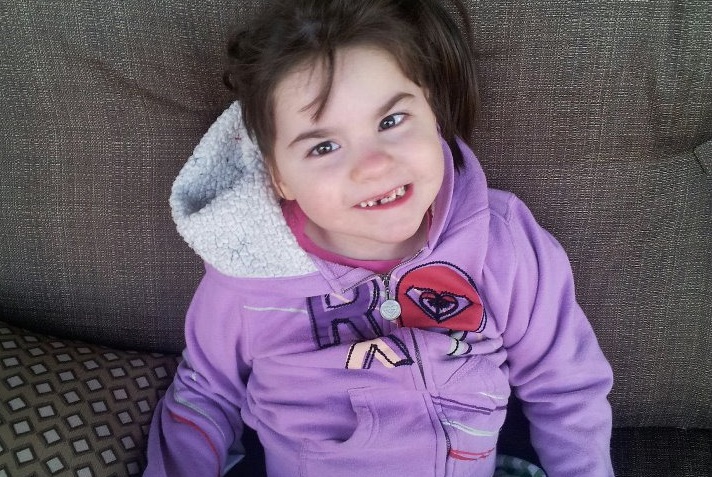
“Only until recently has medical marijuana received its deserved accolades by the mainstream media as a miracle drug; however, many in the medical industry are still leaving pot on the back-burner….until NOW.
A Canadian mother named Sarah Wilkinson has tangible claims about how cannabis has saved her disabled and once terminally ill daughter’s life.”
During an interview with the Toronto Sun, Wilkinson said “I assumed people who wanted it just wanted to get high” prior to her daughter’s marijuana use. However, once administering marijuana to her daughter with no other options from the pharmaceutical industry, Mia’s seizures went from 100 a day to 8 at most, changing her stance about the drug overnight. Results upon using the herb were immediate. Mia’s seizures ended within 24 hours of using the herb and now the Wilkinson’s don’t hesitate to call the drug a miracle.”
http://www.prweb.com/releases/2014/05/prweb11808330.htm
“Medical marijuana gives epileptic child new lease on life” http://www.torontosun.com/2014/04/26/medical-marijuana-gives-epileptic-child-new-lease-on-life
“Medical Marijuana Helps Epileptic Child Suffering 100 Seizures a Day” http://www.ibtimes.co.uk/medical-marijuana-helps-epileptic-child-suffering-100-seizures-day-1446463
“Marijuana Miracle: Epileptic Child Who Suffered 100 Seizures Daily ‘Gets Cured’ After Using the Herb” http://au.ibtimes.com/articles/549768/20140428/marijuana-miracle-health-benefits-epilepsy-child-seizure.htm#.U2JQLehX-uY
Therapeutic benefits of cannabis: a patient survey.
“Clinical research regarding the therapeutic benefits of cannabis (“marijuana”) has been almost non-existent in the United States since cannabis was given Schedule I status in the Controlled Substances Act of 1970.
In order to discover the benefits and adverse effects perceived by medical cannabis patients, especially with regards to chronic pain, we hand-delivered surveys to one hundred consecutive patients who were returning for yearly re-certification for medical cannabis use in Hawai’i. The response rate was 94%. Mean and median ages were 49.3 and 51 years respectively. Ninety-seven per cent of respondents used cannabis primarily for chronic pain. Average pain improvement on a 0-10 pain scale was 5.0 (from 7.8 to 2.8), which translates to a 64% relative decrease in average pain. Half of all respondents also noted relief from stress/anxiety, and nearly half (45%) reported relief from insomnia. Most patients (71%) reported no adverse effects, while 6% reported a cough or throat irritation and 5% feared arrest even though medical cannabis is legal in Hawai’i.
No serious adverse effects were reported.
These results suggest that Cannabis is an extremely safe and effective medication for many chronic pain patients. Cannabis appears to alleviate pain, insomnia, and may be helpful in relieving anxiety.
Cannabis has shown extreme promise in the treatment of numerous medical problems and deserves to be released from the current Schedule I federal prohibition against research and prescription.”
http://www.ncbi.nlm.nih.gov/pubmed/24765558
Full text: http://www.ncbi.nlm.nih.gov/pmc/articles/PMC3998228/
It’s Easier To Die from Drinking Too Much Water Than Smoking Too Much Pot

“In February, reports filtered in from Germany that two men died of cardiac arrhythmia triggered by marijuana intoxication. At a headline’s glance, the tragic deaths seemed to spoil cannabis’ unblemished track record: Until that point, no cases of fatal overdose were known to science.
It should be noted, however, that these two men — aged 23 and 28 — did not overdose. The researchers who reviewed their deaths in the journal Forensic Science International reported found that “the younger man had a serious undetected heart problem and the older one had a history of alcohol, amphetamine and cocaine abuse.” Since all other causes of death were ruled out, the researchers assumed that marijuana spiked their heart rates and blood pressures, causing their hearts to fall out of rhythm.
In the absence of underlying health conditions, it is practically impossible to die from smoking marijuana. The LD50 — the dose required to kill half the subjects in a test population — of marijuana’s active chemical THC is somewhere between 15 and 70 grams for the average human. As the University of Michigan’s Mind the Science Gap described, that’s “absurdly high”:
“To put that in perspective, the casual user (once a month or so) generally only needs about 2-3 mg of THC to become intoxicated, while habitual users might need between five and ten times that amount. Since 3 mg = 0.003 g, a casual user would need to smoke about 5000 times their normal amount to approach a potentially lethal dose.””
What chemicals are deadlier than THC? Quite a few actually. Cyanide, arsenic, and strychnine obviously top THC, but so does nicotine, caffeine, ethanol, and table salt! A convincing case can even be made that it’s easier to overdose on the very essence of life on Earth: water.
Though water has a vastly higher LD50 compared to any other chemical — roughly 90 grams per kilogram of body weight — humans are surprisingly able to slurp down too much of it, especially when competition, peer pressure, exercise, or the drug ecstasy are involved.
In 2007, a California woman died from water intoxication after drinking six liters of water — roughly 25 glasses — in three hours. Writing in Scientific American, Coco Ballantyne recounted other noted deaths and issues associated with excessive water intake:
In 2005 a fraternity hazing at California State University, Chico, left a 21-year-old man dead after he was forced to drink excessive amounts of water between rounds of push-ups in a cold basement. Club-goers taking MDMA (“ecstasy”) have died after consuming copious amounts of water trying to rehydrate following long nights of dancing and sweating. Going overboard in attempts to rehydrate is also common among endurance athletes. A 2005 study in the New England Journal of Medicine found that close to one sixth of marathon runners develop some degree of hyponatremia, or dilution of the blood caused by drinking too much water.
Water, of course, is easier to access than marijuana. If THC ubiquitously flowed from taps and showerheads, doubtless somebody would have found a way to overdose. As it is, you’d be hard pressed to find an average person with enough marijuana to kill himself. Thus, water’s body count remains higher.”