
 “The efficacy of cannabidiol (CBD) with and without concomitant clobazam (CLB) was evaluated in stratified analyses of four large randomized controlled trials, two in Lennox-Gastaut syndrome and two in Dravet syndrome.
Results: The meta-analysis favored CBD vs. placebo regardless of CLB use. The treatment ratio (95% CI) of CBD over placebo for the average reduction in seizure frequency was 0.59 (0.52, 0.68; p<0.0001) with CLB and 0.85 (0.73, 0.98; p=0.0226) without CLB, and the 50% responder rate odds ratio (95% CI) was 2.51 (1.69, 3.71; p<0.0001) with CLB and 2.40 (1.38, 4.16; p=0.0020) without CLB. Adverse events (AEs) related to somnolence, rash, pneumonia, or aggression were more common in patients with concomitant CLB. There was a significant exposure/response relationship for CBD and its active metabolite.
Conclusions: These results indicate CBD is efficacious with and without CLB, but do not exclude the possibility of a synergistic effect associated with the combination of agents. The safety and tolerability profile of CBD without CLB shows a lower rate of certain AEs than with CLB.”
 “Current antiepileptic drugs (AEDs) are undesirable for many reasons including the inability to reduce seizures in certain types of epilepsy, such as Dravet syndrome (DS) where in one-third of patients does not respond to current AEDs, and severe adverse effects that are frequently experienced by patients.
 “Cannabidiol (
 “The phosphatidylinositol 3-kinase (PI3K)/protein kinase B (PKB/Akt)/mechanistic target of rapamycin (mTOR) signaling pathway has been associated with several pathologies in the central nervous system (CNS), including epilepsy. There is evidence supporting the hypothesis that the PI3Kγ signaling pathway may mediate the powerful anticonvulsant properties associated with the cannabinoidergic system.
 “Cannabidiol (
 “A special component of cannabis, cannabidiol (CBD), is currently in the focus of epilepsy treatment and research. In this context, we investigated patients’ expectations and preferences pertaining to plant-derived versus synthetic formulation of cannabidiol, as well as their willingness to get this treatment.
 “Cannabinoids are the chemical compounds with a high affinity for cannabinoid receptors affecting the central nervous system through the release of neurotransmitters. However, the current knowledge related to the role of such compounds in the regulation of cellular aging is limited. This study aimed to investigate the effect of cannabidiol and tetrahydrocannabinol on the function of aged pancreatic islets.
 “The emergence of multi-drug resistant bacteria such as methicillin-resistant Staphylococcus aureus (MRSA) causes a major threat to public health due to its limited therapeutic options.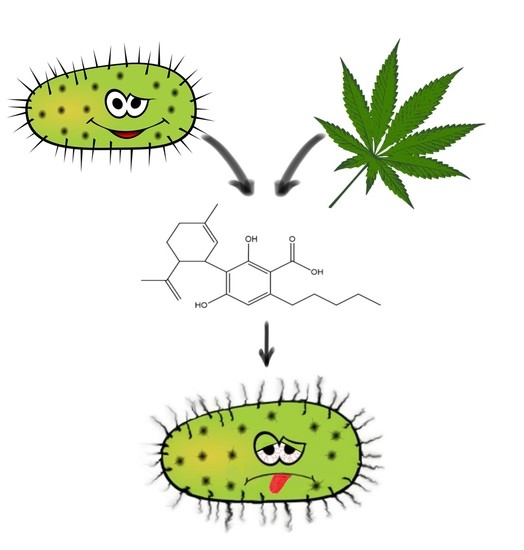
 “Moderate to severe spasticity is commonly reported in Multiple Sclerosis (MS) and its management is still a challenge. Cannabinoids were recently suggested as add-on therapy for the treatment of spasticity and chronic pain in MS but there is no conclusive scientific evidence on their safety, especially on cognition and over long periods.