
“Although drugs targeting the cannabinoid system (e.g., CB1 receptor agonists) display anticonvulsant efficacy in adult animal models of seizures/epilepsy, they remain unexplored in developing animal models. However, cannabinoid system functions emerge early in development, providing a rationale for targeting this system in neonates. We examined the therapeutic potential of drugs targeting the cannabinoid system in three seizure models in developing rats. The mixed CB1/2 agonist and the CB1-specific agonist, but no other drugs, displayed anticonvulsant effects against clonic seizures in the DMCM model. By contrast, both CB1 and CB2 antagonism increased seizure severity. Similarly, we found that the CB1/2 agonist displayed antiseizure efficacy against acute hypoxia-induced seizures (automatisms, clonic and tonic-clonic seizures) and tonic-clonic seizures evoked by PTZ. Early life seizures represent a significant cause of morbidity, with 30-40% of infants and children with epilepsy failing to achieve seizure remission with current pharmacotherapy. Identification of new therapies for neonatal/infantile epilepsy syndromes is thus of high priority. These data indicate that the anticonvulsant action of the CB system is specific to CB1 receptor activation during early development and provide justification for further examination of CB1 receptor agonists as novel antiepileptic drugs targeting epilepsy in infants and children.” https://www.ncbi.nlm.nih.gov/pubmed/28691158 http://onlinelibrary.wiley.com/doi/10.1111/epi.13842/abstract]]>
Tag Archives: cannabinoid receptor
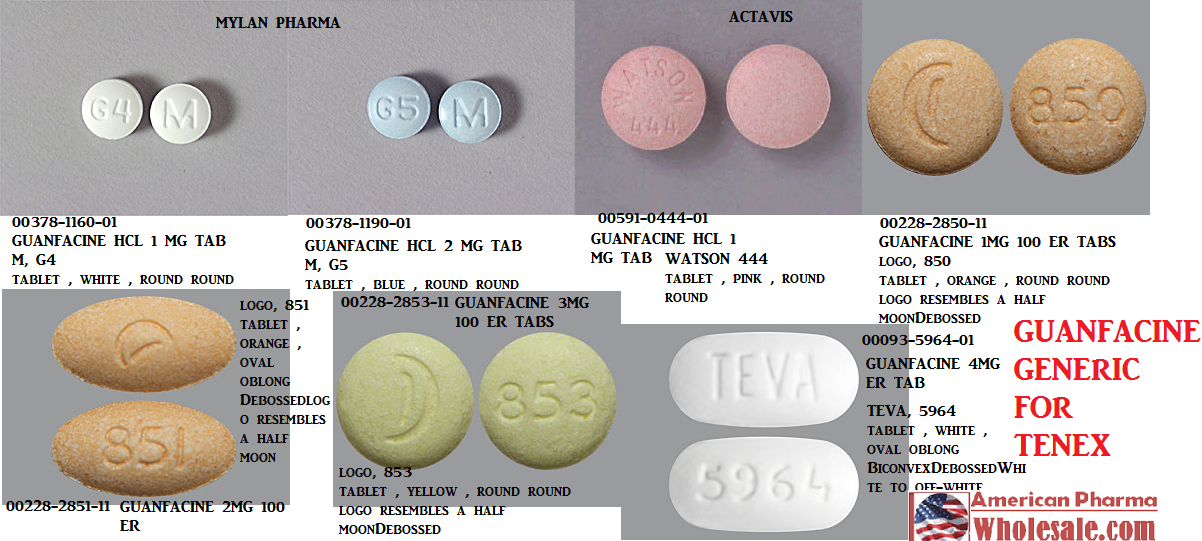
Guanfacine Attenuates Adverse Effects of Dronabinol (THC) on Working Memory in Adolescent-Onset Heavy Cannabis Users: A Pilot Study.
 “The cannabinoid-1 receptor (CB1R) agonist Δ9-tetrahydrocannabinol (THC), the main psychoactive constituent of cannabis, adversely effects working memory performance in humans. The α2A-adrenoceptor (AR) agonist guanfacine improves working memory performance in humans. The authors aimed to determine the effects of short-term (6 days) treatment with guanfacine on adverse cognitive effects produced by THC.
Employing a double-blind, placebo-controlled crossover design, the cognitive, subjective, and cardiovascular effects produced by oral THC (20 mg) administration were determined twice in the same cannabis users: once after treatment with placebo and once after treatment with guanfacine (3 mg/day).
Although THC increased visual analog scores of subjective effects and heart rate, these increases were similar during treatment with placebo and guanfacine. THC did not significantly affect performance of a recognition memory task or blood pressure while individuals were maintained on either treatment.
Although preliminary, these results suggest that guanfacine warrants further testing as a potential treatment for cannabis-induced cognitive deficits.” https://www.ncbi.nlm.nih.gov/pubmed/28641496 http://neuro.psychiatryonline.org/doi/10.1176/appi.neuropsych.16120328
“Guanfacine (brand name Estulic, Tenex and the extended release Intuniv; not to be confused with guaifenesin, an expectorant) is a sympatholytic drug used in the treatment of attention deficit hyperactivity disorder (ADHD), anxiety, and hypertension. It is a selective α2A receptor agonist“ https://en.wikipedia.org/wiki/Guanfacine
“The cannabinoid-1 receptor (CB1R) agonist Δ9-tetrahydrocannabinol (THC), the main psychoactive constituent of cannabis, adversely effects working memory performance in humans. The α2A-adrenoceptor (AR) agonist guanfacine improves working memory performance in humans. The authors aimed to determine the effects of short-term (6 days) treatment with guanfacine on adverse cognitive effects produced by THC.
Employing a double-blind, placebo-controlled crossover design, the cognitive, subjective, and cardiovascular effects produced by oral THC (20 mg) administration were determined twice in the same cannabis users: once after treatment with placebo and once after treatment with guanfacine (3 mg/day).
Although THC increased visual analog scores of subjective effects and heart rate, these increases were similar during treatment with placebo and guanfacine. THC did not significantly affect performance of a recognition memory task or blood pressure while individuals were maintained on either treatment.
Although preliminary, these results suggest that guanfacine warrants further testing as a potential treatment for cannabis-induced cognitive deficits.” https://www.ncbi.nlm.nih.gov/pubmed/28641496 http://neuro.psychiatryonline.org/doi/10.1176/appi.neuropsych.16120328
“Guanfacine (brand name Estulic, Tenex and the extended release Intuniv; not to be confused with guaifenesin, an expectorant) is a sympatholytic drug used in the treatment of attention deficit hyperactivity disorder (ADHD), anxiety, and hypertension. It is a selective α2A receptor agonist“ https://en.wikipedia.org/wiki/Guanfacine
The cannabinoid 1 receptor antagonist, AM251, prolongs the survival of rats with severe acute pancreatitis.
 “It has recently been recognized that anandamide (arachidonylethanolamide), which is an endogeneous-cannabinoid (endocannabinoid), mediates septic shock.
Cannabinoid means a mind-active material in cannabis (marijuana).
Anandamide is mainly produced by macrophages. Cannabinoid 1 (CB1) receptor, which is one of the cannabiniod receptors, is also known to mediate hypotensive shock.
The role of endocannabinoids in the progression of acute pancreatitis is unclear. The aims of this study are to clarify their relationship and to find a new therapeutic strategy by regulating the endocannabinoid signaling in acute pancreatitis.
This is the first report to show that endocannabinoids are involved in the deterioration of acute pancreatitis and that the down-regulation of endocannabinoid signaling may be a new therapeutic strategy for severe acute pancreatitis.”
“It has recently been recognized that anandamide (arachidonylethanolamide), which is an endogeneous-cannabinoid (endocannabinoid), mediates septic shock.
Cannabinoid means a mind-active material in cannabis (marijuana).
Anandamide is mainly produced by macrophages. Cannabinoid 1 (CB1) receptor, which is one of the cannabiniod receptors, is also known to mediate hypotensive shock.
The role of endocannabinoids in the progression of acute pancreatitis is unclear. The aims of this study are to clarify their relationship and to find a new therapeutic strategy by regulating the endocannabinoid signaling in acute pancreatitis.
This is the first report to show that endocannabinoids are involved in the deterioration of acute pancreatitis and that the down-regulation of endocannabinoid signaling may be a new therapeutic strategy for severe acute pancreatitis.”