Sickle Cell Pain May be Managed with Cannabis

“Can Medical Cannabis Help to Cure SCD?”
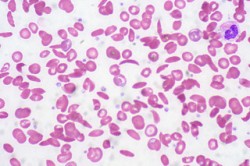
Sickle Cell Disease Pain May Be Managed 2

“Sickle cell disease (SCD) is a hereditary condition caused by a mutation in the haemoglobin gene, which leads to symptoms of anaemia, extreme pain, and organ damage if unmanaged.”
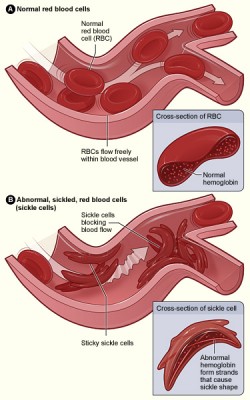
Sickle Cell Disease Pain May Be Managed 1

“Individuals suffering from SCD are far more likely to use cannabis than the general population, potentially for its analgesic properties.

In 2010, researchers at the University of Minnesota found that the synthetic THC analogue CP 55,940 was as effective as morphine sulphate in treating SCD-related severe pain in transgenic mice expressing human sickle haemoglobin, and that it was effective at smaller doses than the opioid.

In 2011, a further paper submitted by the same researchers to Blood (the Journal of the American Association of Hematology) indicated that CP 55,940 ameliorated severe pain associated with the hypoxia/reoxygenation cycle. CP 55,940 is a full agonist of both CB receptors, and is thought to act as an antagonist at the GPR55 receptor.

As well as this, cannabis has been repeatedly shown to act as a vasodilator, which could in itself assist in easing the blockages caused by build-up of sickle cells…

SCD is a painful and debilitating disease, and the overall inefficacy of opioid treatments and resultant poor quality of life for many sufferers is an indication that our approach to it is far from perfect.

If cannabis is a good candidate to replace opioids, it should be implemented forthwith to prevent ongoing suffering for existing patients.”

http://sensiseeds.com/en/blog/sickle-cell-pain-may-managed-cannabis/

Pain-related behaviors and neurochemical alterations in mice expressing sickle hemoglobin: modulation by cannabinoids

Table 1

“Sickle cell disease (SCD) causes severe pain. We examined pain-related behaviors, correlative neurochemical changes, and analgesic effects of morphine and cannabinoids in transgenic mice expressing human sickle hemoglobin (HbS).

Importantly, cannabinoids attenuate pain in mice expressing HbS.

Cannabinoids offer a novel approach to treat chronic pain and hyperalgesia.

Inhaled or systemically injected cannabinoids are effective in treating pain in HIV/AIDS and multiple sclerosis and breakthrough pain in cancer.

Activation of peripheral cannabinoid receptors attenuates hyperalgesia in inflammation and cancer. Selective pharmacologic activation of peripheral cannabinoid receptors to attenuate pain is particularly appealing because it might avoid side effects associated with activation of cannabinoid receptors in the central nervous system.

Because pain in SCD may have both inflammatory and neuropathic components, we hypothesized that cannabinoids may provide pain relief in SCD…

Our observations in these mice suggest that both systemically administered and locally applied cannabinoids may be beneficial in treating pain in SCD.”

http://www.ncbi.nlm.nih.gov/pmc/articles/PMC2913454/

Cannabis very effective as painkiller after a major sugery

Fight For medical Marijuana

“The very existence of cannabis as a substance with possible medical use is a contentious topic, to say the least. Its status as an illicit substance is hotly debated, with proponents from both sides (for and against legalization) engaged in a decades-long battle.

The status of marijuana in the United States as a Schedule I Substance under the Controlled Substances Act means not only that it is highly illegal to possess, but it is classified along the likes of cocaine, heroine, and crystal meth.

Schedule I substances are those that a) have high potential to be abused; b) have no currently accepted medical use in treatment in the United States; and c) are lacking in accepted safety in use under medical supervision.

All of these qualifiers are potentially important in classifying drugs and substances, but many people argue that marijuana does not belong in Schedule I…

Pain after surgery remains a problem in the medical community, and traditional prescribed painkillers often have unpleasant side effects as well as diminishing benefits.

Cannabis extracts work due to the cannabinoid receptors in the human brain.

Cannabinoids from marijuana help to effectively strengthen the body’s ability to reduce pain sensation.”

http://www.royalqueenseeds.com/blog-cannabis-very-effective-as-painkiller-after-a-major-sugery–n55

Cannabis very effective as painkiller after a major sugery

Cannabis as painkiller

ScienceDaily: Your source for the latest research news

“Cannabis-based medications have been demonstrated to relieve pain.

Cannabis medications can be used in patients whose symptoms are not adequately alleviated by conventional treatment.

The clinical effect of the various cannabis-based medications rests primarily on activation of endogenous cannabinoid receptors.

Consumption of therapeutic amounts by adults does not lead to irreversible cognitive impairment.”

http://www.sciencedaily.com/releases/2012/08/120807101232.htm

http://www.thctotalhealthcare.com/category/pain-2/

Targeting CB2-GPR55 Receptor Heteromers Modulates Cancer Cell Signaling.

“The G protein-coupled receptors CB2 (CB2R) and GPR55 are overexpressed in cancer cells and human tumors. As a modulation of GPR55 activity by cannabinoids has been suggested, we analyzed whether this receptor participates in cannabinoid effects on cancer cells.

Here, we show that CB2R and GPR55 form heteromers in cancer cells, that these structures possess unique signaling properties, and that modulation of these heteromers can modify the antitumoral activity of cannabinoids in vivo.

These findings unveil the existence of previously unknown signaling platforms that help explain the complex behavior of cannabinoids and may constitute new targets for therapeutic intervention in oncology.”

http://www.ncbi.nlm.nih.gov/pubmed/24942731

http://www.thctotalhealthcare.com/category/cancer/

Antagonism of cannabinoid receptor 2 pathway suppresses IL-6-induced immunoglobulin IgM secretion.

“Cannabinoid receptor 2 (CB2) is expressed predominantly in the immune system, particularly in plasma cells, raising the possibility that targeting the CB2 pathway could yield an immunomodulatory effect.

Although the role of CB2 in mediating immunoglobulin class switching has been reported, the effects of targeting the CB2 pathway on immunoglobulin secretion per se remain unclear…

These results uncover a novel function of CB2 antagonists and suggest that CB2 ligands may be potential modulators of immunoglobulin secretion.”

Role of ionotropic cannabinoid receptors in peripheral antinociception and antihyperalgesia

Figure 1

“Although cannabinoids have been used for millennia for treating pain and other symptoms, their mechanisms of action remain obscure.

With the heralded identification of multiple G-protein-coupled receptors (GPCRs) mediating cannabinoid effects nearly two decades ago, the mystery of cannabinoid pharmacology was thought to be solved…

Despite the wealth of information on cannabinoid-induced peripheral antihyperalgesic and antinociceptive effects in many pain models, the molecular mechanism(s) for these actions remains unknown.

Although metabotropic cannabinoid receptors have important roles in many pharmacological actions of cannabinoids, recent studies have led to the recognition of a family of at least five ionotropic cannabinoid receptors (ICRs). The known ICRs are members of the family of transient receptor potential (TRP) channels and include TRPV1, TRPV2, TRPV4, TRPM8 and TRPA1.

Cannabinoid activation of ICRs can result in desensitization of the TRPA1 and TRPV1 channel activities, inhibition of nociceptors and antihyperalgesia and antinociception in certain pain models.

Thus, cannabinoids activate both metabotropic and ionotropic mechanisms to produce peripheral analgesic effects.”

http://www.ncbi.nlm.nih.gov/pmc/articles/PMC2863326/

TRP Channel Cannabinoid Receptors in Skin Sensation, Homeostasis, and Inflammation.

“In the skin, cannabinoid lipids, whether of endogenous or exogenous origin, are capable of regulating numerous sensory, homeostatic and inflammatory events.

Although many of these effects are mediated by metabotropic CB receptors, a growing body of evidence has revealed that multiple members of the transient receptor potential (TRP) ion channel family can act as “ionotropic cannabinoid receptors”.

Furthermore, many of these same TRP channels are intimately involved in cutaneous processes that include the initiation of pain, temperature, and itch perception, the maintenance of epidermal homeostasis, the regulation of hair follicles and sebaceous glands, and the modulation of dermatitis.

Ionotropic cannabinoid receptors therefore represent potentially attractive targets for the therapeutic use of cannabinoids to treat sensory and dermatological diseases.

Furthermore, the interactions between neurons and other cell types that are mediated by cutaneous ionotropic cannabinoid receptors are likely to be recapitulated during physiological and pathophysiological processes in the central nervous system and elsewhere, making the skin an ideal setting in which to dissect general complexities of cannabinoid signaling.”

http://www.ncbi.nlm.nih.gov/pubmed/24915599

Reduced endocannabinoid immune modulation by a common cannabinoid 2 (CB2) receptor gene polymorphism: possible risk for autoimmune disorders.

Publication cover image

“Immune system responsiveness results from numerous factors, including endogenous cannabinoid signaling in immunocytes termed the “immunocannabinoid” system. This system can be an important signaling pathway for immune modulation.

To assess the immunomodulating role of the cannabinoid 2 (CB2) receptor, we sought polymorphisms in the human gene, identified a common dinucleotide polymorphism, and investigated its effect on endocannabinoid-induced inhibition of T lymphocyte proliferation.

Collectively, these results demonstrate reduced endogenous fatty acid amide immunomodulatory responses in individuals with the CB2 188-189 GG/GG genotype and suggest that this CB2 gene variation may be a risk factor for autoimmunity.

The results also support the proposition that the CB2 receptor may represent a novel pharmacological target for selective agonists designed to suppress autoreactive immune responses”

https://jlb.onlinelibrary.wiley.com/doi/full/10.1189/jlb.0205111

https://www.ncbi.nlm.nih.gov/pubmed/15845647

Role of Endocannabinoid Activation of Peripheral CB1 Receptors in the Regulation of Autoimmune Disease.

“The impact of the endogenous cannabinoids (AEA, 2-AG, PEA, and virodamine) on the immune cell expressed cannabinoid receptors (CB1, CB2, TRPV-1, and GPR55) and consequent regulation of immune function is an exciting area of research with potential implications in the prevention and treatment of inflammatory and autoimmune diseases.

Despite significant advances in understanding the mechanisms through which cannabinoids regulate immune functions, not much is known about the role of endocannabinoids in the pathogenesis or prevention of autoimmune diseases.

Inasmuch as CB2 expression on immune cells and its role has been widely reported, the importance of CB1 in immunological disorders has often been overlooked especially because it is not highly expressed on naive immune cells.

Therefore, the current review aims at delineating the effect of endocannabinoids on CB1 receptors in T cell driven autoimmune diseases. This review will also highlight some autoimmune diseases in which there is evidence indicating a role for endocannabinoids in the regulation of autoimmune pathogenesis.

Overall, based on the evidence presented using the endocannabinoids, specifically AEA, we propose that the peripheral CB1 receptor is involved in the regulation and amelioration of inflammation associated with autoimmune diseases.”

http://www.ncbi.nlm.nih.gov/pubmed/24911431