Cannabidiol Modulates the Expression of Alzheimer’s Disease-Related Genes in Mesenchymal Stem Cells.

Image result for International Journal of Molecular Sciences

“Mesenchymal stem cells (MSCs) have emerged as a promising tool for the treatment of several neurodegenerative disorders, including Alzheimer’s disease (AD). The main neuropathological hallmarks of AD are senile plaques, composed of amyloid beta (Aβ), and neurofibrillary tangles, formed by hyperphosphorylated tau. However, current therapies for AD have shown limited efficacy.

In this study, we evaluated whether pre-treatment with cannabidiol (CBD), at 5 μM concentration, modulated the transcriptional profile of MSCs derived from gingiva (GMSCs) in order to improve their therapeutic potential, by performing a transcriptomic analysis by the next-generation sequencing (NGS) platform.

By comparing the expression profiles between GMSCs treated with CBD (CBD-GMSCs) and control GMSCs (CTR-GMSCs), we found that CBD led to the downregulation of genes linked to AD, including genes coding for the kinases responsible of tau phosphorylation and for the secretases involved in Aβ generation. In parallel, immunocytochemistry analysis has shown that CBD inhibited the expression of GSK3β, a central player in AD pathogenesis, by promoting PI3K/Akt signalling.

In order to understand through which receptor CBD exerted these effects, we have performed pre-treatments with receptor antagonists for the cannabinoid receptors (SR141716A and AM630) or for the vanilloid receptor 1 (TRPVI). Here, we have proved that TRPV1 was able to mediate the modulatory effect of CBD on the PI3K/Akt/GSK3β axis.

In conclusion, we have found that pre-treatment with CBD prevented the expression of proteins potentially involved in tau phosphorylation and Aβ production in GMSCs. Therefore, we suggested that GMSCs preconditioned with CBD possess a molecular profile that might be more beneficial for the treatment of AD.”

https://www.ncbi.nlm.nih.gov/pubmed/28025562

Cannabidiol reduces brain damage and improves functional recovery in a neonatal rat model of arterial ischemic stroke.

Neuropharmacology

“Currently there is no effective treatment for neonatal arterial ischemic stroke (AIS).

Cannabidiol (CBD) is neuroprotective in models of newborn hypoxic-ischemic brain damage and adult stroke.

The purpose of this work was to study the protective effect of CBD in a neonatal rat model of AIS.

RESULTS:

CBD administration improved neurobehavioral function regarding strength, hemiparesis, coordination and sensorimotor performance as assessed at P15 and P38. MRI indicated that CBD did not reduce the volume of infarct but reduced the volume of perilesional gliosis. H+-MRS indicated that CBD reduced metabolic derangement and excitotoxicty, and protected astrocyte function. Histologic studies indicated that CBD reduced neuronal loss and apoptosis, and modulated astrogliosis and microglial proliferation and activation.

CONCLUSIONS:

CBD administration after Middle Cerebral Artery Occlusion (MCAO) led to long-term functional recovery, reducing neuronal loss and astrogliosis, and modulating apoptosis, metabolic derangement, excitotoxicity and neuro-inflammation.”

https://www.ncbi.nlm.nih.gov/pubmed/28012949

“Post-stroke administration of Cannabidiol (CBD) is neuroprotective in neonatal rats. CBD neuroprotection is sustained in the long term. CBD treatment led to functional recovery in both motor and sensorimotor domains. CBD modulated excitotoxicity, astrocyte dysfunction and microglial activation.”

https://www.sciencedirect.com/science/article/pii/S0028390816305810

Marijuana use and inpatient outcomes among hospitalized patients: analysis of the nationwide inpatient sample database

Cancer Medicine

“The purpose of this paper is to examine the relationship between marijuana use and health outcomes among hospitalized patients, including those hospitalized with a diagnosis of cancer.

A total of 387,608 current marijuana users were identified based on ICD-9 codes for marijuana use among hospitalized patients in the Nationwide Inpatient Sample database between 2007 and 2011. Logistic regression analysis was performed to determine the association between marijuana use and heart failure, cardiac disease, stroke, and in-hospital mortality. All models were adjusted for age, gender, race, residential income, insurance, residential region, pain, and number of comorbidities.

Among hospitalized patients, marijuana use was associated with a 60% increased odds of stroke (OR: 1.60, 95% CI: 1.44–1.77) compared with non-users, but significantly reduced odds of heart failure (OR: 0.78, 95% CI: 0.75–0.82), cardiac disease (OR: 0.86, 95% CI: 0.82–0.91), or in-hospital mortality (OR: 0.41, 95% CI: 0.38–0.44).

Among cancer patients, odds of in-hospital mortality was significantly reduced among marijuana users compared with non-users (OR: 0.44, 95% CI: 0.35–0.55).

Hospitalized marijuana users were more likely to experience a stroke compared with non-users, but less likely to experience in-hospital mortality.”

http://onlinelibrary.wiley.com/doi/10.1002/cam4.968/full

Cannabis and epilepsy: An ancient treatment returns to the fore.

Image result for Epilepsy & Behavior

“Cannabis has been associated with the treatment of epilepsy throughout history, and if ancient Assyrian sources referring to “hand of ghost” are considered credible, this relationship may span four millennia.

A tradition of usage continued in Arabic medicine and Ayurvedic practice in India, which led, in turn, to early experiments in Europe and North America with “Indian hemp.”

Lack of standardization, bioavailability issues, and ultimately prohibition were all factors in cannabis-based medicines failing to maintain mainstream usage in seizure treatment, but investigation was resumed in the 1970s with interesting signals noted in both laboratory and clinical settings.

Early case studies showed promise, but lacked sufficient rigor. Resumption of research coupled with mass experimentation by families of epilepsy patients has led to intense interest in cannabis-based medicines for its treatment once more, with greatest focus on cannabidiol, but additional investigation of tetrahydrocannabinol, tetrahydrocannabinolic acid, and other phytocannabinoids.”

https://www.ncbi.nlm.nih.gov/pubmed/27989385

Bidirectional Effects of Cannabidiol on Contextual Fear Memory Extinction

Image result for frontiers in pharmacology

“Cannabidiol (CBD) is the major non-psychotropic constituent of the Cannabis plant and has anxiolytic therapeutic potential.

Cannabidiol (CBD) has been established to have both acute and long-lasting effects to reduce fear memory expression.

We showed that under conditions of strong fear conditioning, CBD reduced contextual fear memory expression both acutely during the extinction session as well as later at a fear retention test.

This pattern of results is consistent with CBD enhancing contextual fear memory extinction when the initial conditioning is strong, but impairing extinction when conditioning is weak. This bidirectional effect of CBD may be related to stress levels induced by conditioning and evoked at retrieval during extinction, rather than the strength of the memory per se.

 In summary, CBD had bidirectional effects on the extinction of contextual fear conditioning, depending on the nature of the initial fear conditioning. Nevertheless, in the more translationally-relevant stronger conditioning setting, CBD both acutely inhibited fear expression and enhanced extinction to produce longer lasting reductions in fear.
These observations provide further support for the potential translational use of CBD in conditions such as posttraumatic stress disorder and specific phobias.”

http://journal.frontiersin.org/article/10.3389/fphar.2016.00493/full?utm_source=S-TWT&utm_medium=SNET&utm_campaign=ECO_FPHAR_XXXXXXXX_auto-dlvrit%0A

In vitro Antimicrobial and Antioxidant Activity of Extracts from Six Chemotypes of Medicinal Cannabis

“Nowadays, medicinal cannabis (Cannabis sativa L) is in the focus of the researches not only for its high content of tetrahydrocannabinol (THC), but for other cannabinoids as well.

It has been reported that some of the identified substances (e.g. cannabidiol, cannabinochromene) possess anti-inflammatory and antimicrobial properties, which corresponds to its traditional use as wound healing agent at Pakistan.

The aim of this study was to evaluate antimicrobial and antioxidant ability of extracts from high potent Cannabis sativa chemotypes.

The six ethanolic extracts prepared from dried inflorescence of five medicinal cannabis chemotypes (Nurse Jackie, Jilly Bean, Nordle, Jack Cleaner, Conspiracy Kush) were tested by standard microdilution method against Staphylococcus aureus (three strains), Streptococcus pyogenes and the yeast Candida albicans.

Those microbial strains are present on skin and can cause complication during wound healing process.

The antioxidative activity, which plays an important role in wound healing process, was tested by oxygen radical absorbance capacity test (ORAC).

All tested extracts demonstrated high antimicrobial activity against two strains of S. aureus and S. pyogenes (MIC ranged from 4 – 16 µg·mL-1), moreover high antioxidant capacity was observed (ORAC ranged from 800 – 1300 µg TE/mg of extract).

The results indicate that cannabis has high potential to be used in ointments and other material for wound healing.

However, further research on the identification of the active components is needed.”

https://www.thieme-connect.com/DOI/DOI?10.1055/s-0036-1596302

Inhibition of cervical cancer cell proliferation by cannabidiol

“Seventy phytocannabinoids are now known to be synthesized by Cannabis sativa (marijuana)]. The major non-psychoactive cannabinoid cannabidiol (CBD) exhibits antiproliferative effects against breast, cervix, colon, glioma, leukemia, ovary, prostate, and thyroid cancer cells. In this study, we investigated the antiproliferative effect of CBD on the ME-180 cervical cancer cell line. The results of our study suggest that CBD exerts its antiproliferative effect via multiple mechanisms, and it could be a potential treatment for cervical cancer.”

https://www.thieme-connect.com/DOI/DOI?10.1055/s-0036-1596862

IN VITRO ANTIMICROBIAL AND ANTIOXIDANT ACTIVITIES OF TWO MEDICINAL PLANTS AGAINST SOME CLINICALLY IMPORTANT BACTERIA

Image result for Lahore College for Women University

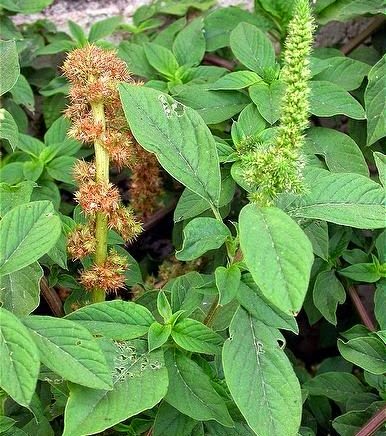
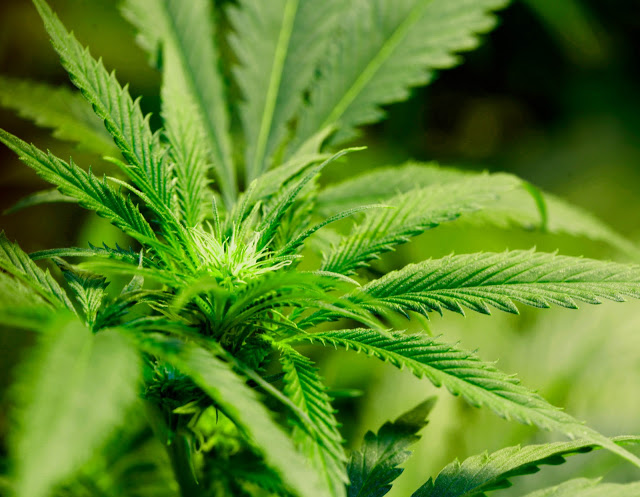
“The aim of the present study was to evaluate the antimicrobial potential of Amaranthus viridis (Chowlai) and Cannabis sativa (Bhang) against clinically important bacteria, Staphylococcus aureus, Klebsiella pneumonia, Pseudomonas aeruginosa and Escherichia coli.

The study revealed that leaves of A. viridis and C. sativa possess broad spectrum antimicrobial activity and natural antioxidants that can be of considerable pharmaceutical importance.

Leaf and stem extracts of A. viridis and C. sativa demonstrated a broad spectrum efficacy against Grampositive and Gram-negative bacteria. These plants also exhibited good antioxidant activity.”

https://fuuast.edu.pk/biology%20journal/images/pdfs/2016/june/paper17.pdf

Image result for Amaranthus viridis (Chaulai)

Image result for Cannabis sativa (Bhang)

Marijuana Can Cure Epilepsy: Recent Studies Done By Scientists Of Birmingham Epilepsy Center Revealed

Image result for science world report

“A series of trials on marijuana to treat epilepsy is conducted by the Birmingham Epilepsy Center revealed that Cannabidiol (CBD), purified from Cannabis plant or commonly known marijuana, has high beneficial effects in the treatment of epileptic patients. The study revealed that oral administration of CBD oil caused a significant reduction in the frequency of epileptic seizures in adult and pediatric patients.”

http://www.scienceworldreport.com/articles/53849/20161207/marijuana-cure-epilepsy-recent-studies-done-scientists-birmingham-center-revealed.htm

Cannabidiol Reduces Seizures in Various Epilepsy Disorders

Image result for medscape

“A purified oral formulation of cannabidiol (CBD; Epidiolex, GW Pharmaceuticals) significantly reduces seizures in treatment-resistant epilepsy, according to new research that included double-blind randomized controlled trials of patients with Dravet syndrome (DS) and Lennox-Gastaut syndrome (LGS), two of the most difficult-to-manage seizure conditions.

The new research, released here at the American Epilepsy Society (AES) 2016 Annual Meeting, also highlights the relative safety of this new drug, a prescription medicine derived from the cannabis plant.”

http://www.medscape.com/viewarticle/872763