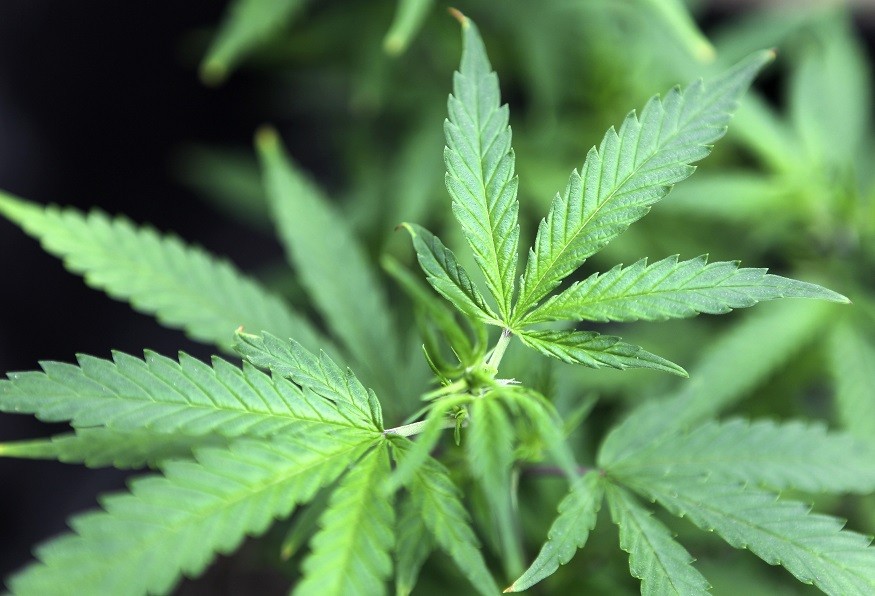
Cannabis oil from marijuana is having success treating COPD

COPD

“COPD is the often used term for “Chronic Obstructive Pulmonary Disease,” a rather clumsy and vague description for most of us. It includes a few different lung issues, such as emphysema, bronchiectasis and chronic bronchitis. The scary part is that it’s a mystery to our pharmaceutical-dependent medical system. And it gets progressively worse, often leading to death.

It’s third in disease death rates, behind only heart disease and cancer. COPD creates constricted airways in one’s lungs or renders small lung sacks inelastic and unable to fully accommodate breathing cycles; thus, there is obstruction.

COPD symptoms include some or all of the following: losing one’s breath with minor activity, chronic coughing, increased sputum, chest tightness or pain with difficulty breathing, increased lung infections and fatigue. It has been observed to have four stages. Many of those lugging oxygen canisters around are in the last two stages.

The pharmaceuticals prescribed for treating symptoms often have side effects that cause more problems. Big Pharma is still fishing for cures, while COPD diagnoses rates continue rising in our toxic environment.

Medical marijuana to the rescue once again

The treatment situation is so bleak and harmful with mainstream medicine that those desperate to breathe normally and cough up less mucus have desperately turned to medical marijuana for at least some relief without negative side effects.

Smoking marijuana cigarettes is shunned for obvious reasons, but many claim that vaping, or using a vaporizer to inhale cannabis, is useful for COPD without exacerbating the lungs’ inflammatory condition.

But better results have been achieved by ingesting cannabis, especially the potent, highly condensed oil extract that Rick Simpson pioneered in Canada and now in Eastern Europe. Many medical marijuana advocates, especially those in medical-cannabis-friendly states, have learned to make the oil and provide it to those in need.

Most of the cannabis treatment publicity has gone toward cancer, Crohn’s disease, chronic epileptic seizures and glaucoma. Even Parkinson’s disease and multiple sclerosis victims have experienced positive results from various cannabis products with THC applications.

Pharmaceutical-dependent mainstream medicine hasn’t been able to cure any of these diseases or even alleviate symptoms without creating complications, some fatal.

More COPD patients have hopped on the cannabis cure bandwagon with positive results lately. These results include folks with late-stage COPD and severe emphysema.

An anecdotal sampling

At the relatively young age of 36, Jeff Waters was diagnosed with COPD. Eight years later he had to be rushed to an ER during another bout with bronchitis.

Lung scarring was discovered, and his condition was raised to stage 2 COPD. While prescribing several pharmaceuticals, the doctor told him that it would continue to get worse and eventually kill him.

Jeff did continue to get worse. He was unable to climb a flight of stairs and he wound up with stage 3 COPD and an oxygen canister to prove it. Showering and shaving without his oxygen supply turned out to be almost too arduous of a task.

Then an allergic reaction to a prescribed high blood pressure medication put him on life support in ICU with severe pneumonia for a month. After his recovery, he resolved to handle his COPD without mainstream medical interventions.

Jeff found COPD sufferers online who had resolved their COPD issues with cannabis oil. He networked with them and found his own sources for cannabis oil.

After only two months of using the oil, Jeff went off oxygen and all the pharmaceuticals he had been prescribed. He now walks two to five miles daily and claims that cannabis oil has allowed him “to get his life back.””

http://www.naturalnews.com/044664_cannabis_oil_copd_marijuana.html

http://www.thctotalhealthcare.com/category/copd-chronic-obstructive-pulmonary-disease/

Smoking Marijuana Relieves Symptoms of Multiple Sclerosis in Patients, with Minor Cognitive Effects

marijuana

“Smoking marijuana has been shown to relieve muscle tightness, called spasticity, and painful symptoms in patients with multiple sclerosis, who have been resistant to conventional MS therapies, according to a new study.

“We found that smoked cannabis was superior to placebo in reducing symptoms and pain in patients with treatment-resistant spasticity, or excessive muscle contractions,” Researcher Dr. Jody Corey-Bloom, director of the University of California, San Diego Multiple Sclerosis Center said in a journal news release.”

http://www.medicaldaily.com/smoking-marijuana-relieves-symptoms-multiple-sclerosis-patients-minor-cognitive-effects-240433

“Smoked cannabis for spasticity in multiple sclerosis: a randomized, placebo-controlled trial.” http://www.ncbi.nlm.nih.gov/pmc/articles/PMC3394820/

http://www.thctotalhealthcare.com/category/multiple-sclerosis-ms/

Marijuana can treat autoimmune diseases, scientific study states

“Weed enthusiasts are getting their case for nationwide decriminalization of marijuana bolstered considerably by a new scientific study that promises the controversial plant can treat multiple medical maladies.

Scientists at the University of South Carolina have discovered marijuana’s potential to treat autoimmune diseases — such as arthritis, lupus, colitis and multiple sclerosis — in which chronic inflammation plays a pivotal role.

The Journal of Biological Chemistry published the researchers’ findings that state marijuana’s potential key role in fighting these diseases lies in its capacity to suppress certain immune functions, most particularly inflammation.

The study examined whether marijuana’s main active constituent, tetrahydrocannabinol (THC), could affect DNA through “epigenetic” pathways.

The group of molecules with the capacity to alter DNA and the functioning of genes it controls is collectively referred to as the epigenome. It includes a group of molecules called histones, which are responsible for inflammation, both beneficial and harmful.

The research team, led by Mitzi Nagarkatti, Prakash Nagarkatti and Xiaoming Yang, found that THC can, indeed, affect DNA expression through epigenetic pathways by altering histones.

As recreational and medical use of marijuana become more acceptable in developed countries, more research is being conducted and more potential health applications are being uncovered.

Marijuana already has a variety of medical uses including treatment of chronic pain, nausea, vomiting and the wasting syndrome experienced by some AIDS patients.”

http://atlantadailyworld.com/2014/06/05/marijuana-can-treat-autoimmune-diseases-scientific-study-states/

More Evidence Pot Treats Auto-Immune Diseases

“Researchers at the University of South Carolina have another clue as to why patients with auto-immune diseases like multiple sclerosis, psoriasis, rheumatoid arthritisCrohn’s and celiac disease sometimes respond to medical marijuana therapies, according to Science World Reports.

The main active ingredient in pot, THC, regulates gene expression in immune cells, effectively switching off runaway inflammation at the DNA level.

The researchers used mice cells in vivo and the results suggest that “THC activates the expression of a subset of genes while suppressing the expression of another subset of genes.” The net result is less inflammatory response, which can severely damage and kill cells.

Autoimmune diseases involve an abnormal immune response of the body, causing immune cells to attack healthy cells instead of pathogens. Autoimmune diseases — a collection of about 80 diseases — are the 10th leading cause of death of women in all age groups up to 65 years old.

Despite the safety and efficacy of medical cannabis, providers remain under attack across America. California senators Barbara Boxer and Dianne Feinstein currently support the war on pot patients and providers. The Drug Policy Alliance has started a new campaign today to help citizens lobby Senators to defund the war on medical marijuana.”

http://www.eastbayexpress.com/LegalizationNation/archives/2014/06/03/more-evidence-pot-treats-auto-immune-diseases

Autoimmune Diseases Could be Treated With Medical Marijuana

More findings of the medical benefits of marijuana could result in a universal legalization of the drug.

“Researchers at the University of South Carolina conducted a study that analyzed the effects of THC in marijuana on patients with autoimmune diseases because the drug has previously shown to have an immunomodulatory activity.

Immunomodulatory means something is capable of modifying or regulating one or more immune functions, or can provide an immunologic adjustment, regulation, or potentiation. In this study’s case, the researchers found that the application of marijuana has the ability to suppress an immune response to treat autoimmune diseases, such as arthritis, lupus, colitis, multiple sclerosis, and others.”

http://www.scienceworldreport.com/articles/15145/20140603/autoimmune-diseases-treated-medical-marijuana.htm

Cannabis a Potential Treatment for Autoimmune Diseases, Study Finds

Cannabis found Drakelow in Kidderminster PIC: Reuters

“Cannabis has the potential to be used as a treatment for autoimmune diseases including lupus,colitis, multiple sclerosis and arthritis, scientists have said.

Marijuana is becoming increasingly accepted for its medical benefits, with a number of states in the US legitimising the drug for health purposes.

It is used to alleviate the side effects of chemotherapy including nausea and vomiting, as well as stopping Aids patients from losing weight, muscle mass and easing chronic pain.”

http://www.ibtimes.co.uk/cannabis-potential-treatment-autoimmune-diseases-study-finds-1451022

Medicinal marijuana use: experiences of people with multiple sclerosis.

 “OBJECTIVE: To describe medical marijuana use from the perspectives of patients with multiple sclerosis.

If evidence of benefit is seen, medicinal marijuana should be made available to patients who could benefit from it…

Conclusion:

Participants reported that marijuana was effective in helping them to manage symptoms of MS.”

http://www.ncbi.nlm.nih.gov/pmc/articles/PMC1479734/

Do cannabinoids have a therapeutic role in transplantation?

Figure 1

“Cannabinoids are a group of terpenophenolic compounds structurally similar to delta-9-tetrahydrocannabinol (THC) from the plant Cannabis sativa.

Cannabinoids have emerged as powerful drug candidates for the treatment of inflammatory and autoimmune diseases due to their immunosuppressive properties.

Significant clinical and experimental data on the use of cannabinoids as anti-inflammatory agents exist in many autoimmune disease settings, but virtually no studies have been undertaken on their potential role in transplant rejection. Here we suggest a theoretical role for the use of cannabinoids in preventing allograft rejection.

…manipulation of endocannabinoids in vivo by activating their biosynthesis and inhibiting cellular uptake and metabolism may offer another pathway to regulate immune response during allograft rejection.

…cannabinoids have emerged as novel anti-inflammatory agents because of their efficacy in the treatment of many immune-mediated disorders such as multiple sclerosis, rheumatoid arthritis and autoimmune hepatitis.

Transplantation is one critical area of medicine that requires the use of immunosuppressants.

 Inasmuch as, immune cells constitute an important resource of endocannabinoids, it may be easier to manipulate their levels during an immune response, which could have a direct and immediate impact on such cells that determine the fate of the allograft.

In summary, targeting cannabinoid receptors and understanding the role and use of exo-and endocannabinoids in experimental allograft rejection models may provide an exciting new beginning with significant translational impact.”

http://www.ncbi.nlm.nih.gov/pmc/articles/PMC2923447/

Cannabinoid receptor 2: potential role in immunomodulation and neuroinflammation.

Figure 2

“The cannabinoids are a group of terpenophenolic compounds present in the marijuana plant, Cannabis sativa. At present, three general types of cannabinoids have been identified: phytocannabinoids present uniquely in the cannabis plant, endogenous cannabinoids produced in humans and animals, and synthetic cannabinoids generated in a laboratory. It is worth noting that Cannabis sativa produces over 80 cannabinoids…

An accumulating body of evidence suggests that endocannabinoids and cannabinoid receptors type 1 and 2 (CB(1), CB(2)) play a significant role in physiologic and pathologic processes, including cognitive and immune functions.

…there is growing appreciation of the therapeutic potential of cannabinoids in multiple pathologic conditions involving chronic inflammation (inflammatory bowel disease, arthritis, autoimmune disorders, multiple sclerosis, HIV-1 infection, stroke, Alzheimer’sdisease to name a few), mainly mediated by CB(2) activation.

This review attempts to summarize recent advances in studies of CB(2) activation in the setting of neuroinflammation, immunomodulation and HIV-1 infection.

The full potential of CB2 agonists as therapeutic agents remains to be realized.

Despite some inadequacies of preclinical models to predict clinical efficacy in humans and differences between the signaling of human and rodent CB2 receptors, the development of selective CB2 agonists may open new avenues in therapeutic intervention.

Such interventions would aim at reducing the release of pro-inflammatory mediators particularly in chronic neuropathologic conditions such as HAND or MS.”

http://www.ncbi.nlm.nih.gov/pmc/articles/PMC3663904/


Attenuation of experimental autoimmune hepatitis by exogenous and endogenous cannabinoids: involvement of regulatory T cells.

Fig. 1

“Immune-mediated liver diseases including autoimmune and viral hepatitis are a major health problem worldwide. Natural cannabinoids such as Delta(9)-tetrahydrocannabinol (THC) effectively modulate immune cell function, and they have shown therapeutic potential in treating inflammatory diseases.

We investigated the effects of THC in a murine model of concanavalin A (ConA)-induced hepatitis…

Our data demonstrate that targeting cannabinoid receptors using exogenous or endogenous cannabinoids and use of FAAH inhibitors may constitute novel therapeutic modalities to treat immune-mediated liver inflammation.

δ-9-Tetrahydrocannabinol (THC), the major psychoactive component of marijuana (Cannabis sativa), has wide-ranging pharmacological properties. The cannabinoid compounds possess significant immunosuppressive and anti-inflammatory properties. THC and cannabinoid receptor agonists have shown promise in several models of inflammation.”

http://www.ncbi.nlm.nih.gov/pmc/articles/PMC2828293/