

Methods: A prospective cohort study was designed with the aim of assessing the effectiveness, safety, and tolerability of the addition of CBD to standard antiseizure medications (ASMs) in children with drug-resistant EE enrolled at a single center (Neurology Department, Hospital de Pediatría “Juan P. Garrahan”, Buenos Aires, Argentina).
Results: Fifty patients were enrolled between October 2018 and October 2019, 49 of whom had a follow-up of at least 3 months at the time this interim analysis was performed. Mean age at enrollment was 10.5 years (range 2-16). Median age at first seizure was 7 months. Up to the last visit of each patient (follow-up 3-12 months) 39/49 children (80 %) had responded to treatment with a decrease in seizure frequency. Overall, 77.6 % of the patients had a seizure reduction of at least 25 %, 73.5 % had a ≥ 50 % reduction, and 49 % had a ≥ 75 % reduction. Mean monthly seizure frequency was reduced from 959 to 381 (median decrease from 299 to 102, range, 38-1900; median decrease 66 %, p < 0.001). All adverse effects were mild or moderate. The most common adverse effect was drowsiness (in 32 %), usually reversed by adjusting clobazam dose (in 12 children).
Conclusion: In children with drug-resistant EEs, CBD oil as an adjuvant therapy to antiepileptic therapy seems safe, well tolerated, and effective.”
https://pubmed.ncbi.nlm.nih.gov/32544657/
“Cannibidiol showed good effectiveness, with a ≥ 50 % reduction in seizure frequency in 73.5 % of the patients. Good results were obtained in patients with Lennox-Gastaut and Dravet syndromes. In epileptic encephalopathies other than Lennox-Gastaut results were also good. Cannabidiol showed good safety and tolerability as all adverse effects were mild or moderate.”
https://www.seizure-journal.com/article/S1059-1311(20)30167-9/pdf
 “The emergence of multi-drug resistant bacteria such as methicillin-resistant Staphylococcus aureus (MRSA) causes a major threat to public health due to its limited therapeutic options.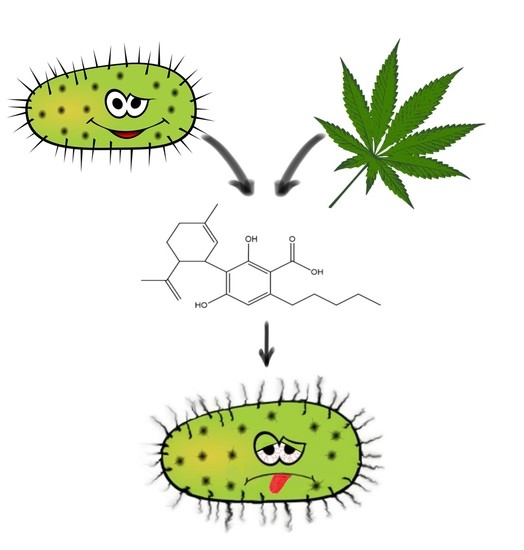
 “Parkinson’s Disease (PD) is currently the most rapid growing neurodegenerative disease and over the past generation, its global burden has more than doubled. The onset of PD can arise due to environmental, sporadic or genetic factors. Nevertheless, most PD cases have an unknown etiology.
 ‘T-cell acute lymphoblastic leukemia (T-ALL) is a highly heterogeneous malignant hematological disorder arising from T-cell progenitors.
 “Irritable bowel syndrome (IBS) is a frequent cause of abdominal pain and altered bowel habits, which is associated with significant healthcare utilization.
 “Medical cannabis (MC) treatment for migraine is practically emerging, although sufficient clinical data are not available for this indication. This cross-sectional questionnaire-based study aimed to investigate the associations between phytocannabinoid treatment and migraine frequency.
 “Moderate to severe spasticity is commonly reported in Multiple Sclerosis (MS) and its management is still a challenge. Cannabinoids were recently suggested as add-on therapy for the treatment of spasticity and chronic pain in MS but there is no conclusive scientific evidence on their safety, especially on cognition and over long periods.
 “Cannabidiolic acid (CBDA) is the main phytocannabinoid in fiber and seed-oil hemp (Cannabis sativa L.) plants, but its potential health-related capabilities have been masked for years by a greater scientific interest towards its neutral derivative cannabidiol (CBD). This review aims to collect from the literature and critically discuss all the information about this molecule, starting from its biosynthesis, and focusing on its bioactivity, as an anti-inflammatory, anti-emetic, anti-convulsant, and anti-cancerogenic drug. Furthermore, in the awareness that, despite its multiple bioactive effects, currently poor efforts have been made to achieve its reliable purification, herein, we propose a relatively simple, fast, and inexpensive procedure for its recovery from pollen of industrial hemp cultivars. Spectroscopic and spectrometric techniques allowed us to unequivocally identify pure isolated CBDA and to distinguish it from the constitutional isomer tetrahydrocannabinolic acid (THCA-A).”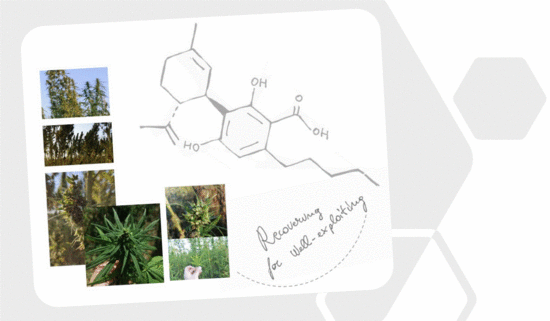
 “Identifying candidate drugs effective in the new coronavirus disease 2019 (Covid-19) is crucial,