 “This review is to summarize most recent evidence published in the last 18 months on medical and recreational use of cannabis and cannabinoids in relation to anxiety, depression (unipolar and bipolar), and dysregulation of emotions as part of posttraumatic stress disorders (PTSD) and emotionally instable personality disorders.
It also covers the investigation of endocannabinoids as potential biomarkers in these conditions. This is important with increasing medicinal use of cannabinoids and growing social tolerance towards recreational cannabis use.
RECENT FINDINGS:
There is some recent evidence suggesting cannabinoids, cannabidiol or cannabidiol-enriched cannabis preparations have anxiolytic properties. In addition, depression may be worsened by cannabis use, however, randomized controlled trials (RCT) are lacking.
New evidence also suggests that cannabidiol or cannabidiol-enriched cannabis use for PTSD and emotion regulation can induce hyporesponse to fear and stress. Further, several lines of evidence point to the endocannabinoid system as a key player in some of the reviewed disorders, in particular anxiety and PTSD.
SUMMARY:
The most recent evidence for a therapeutic use of cannabinoids in the reviewed conditions is weak and lacking well designed RCTs. However, there is some indication of the role of the endocannabinoid system in these conditions that warrant further studies.”
https://www.ncbi.nlm.nih.gov/pubmed/31714262
https://insights.ovid.com/crossref?an=00001504-900000000-99165

 “Stiff person syndrome (SPS) is a disorder characterized by fluctuating, progressive and painful spasms of the limbs, trunk and face. The condition is frequently associated with other diseases, including malignancies1. Up to 10% of SPS cases are paraneoplastic (PSPS) and occur with various types of cancer 2. SPS is thought to be immune-mediated, with up to 60% of patients demonstrating antibodies to glutamic acid decarboxylase (GAD), the rate-limiting enzyme for the production of the inhibitory neurotransmitter γ-aminobutyric acid (GABA).”
  “Ecological research suggests that increased access to
  “Autism Spectrum Disorders comprise conditions that may affect cognitive development, motor skills, social interaction, communication, and behavior. This set of functional deficits often results in lack of independence for the diagnosed individuals, and severe distress for patients, families, and caregivers.
 “This paper aimed to systematically examine the efficacy and adverse event (AE) profile of
  “This study sought to determine the prevalence, tolerability, and self-reported effectiveness of
  “The protective effect of
  “Amyotrophic lateral sclerosis (ALS) is a neurodegenerative disorder with no known cure and with an average life expectancy of 3-5 years post diagnosis.
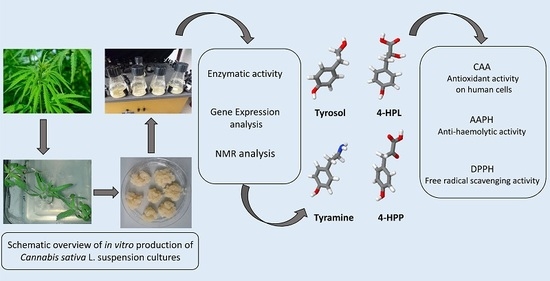
 “Cannabis sativa L. is one of the most-studied species for its phytochemistry due to the abundance of secondary metabolites, including