Cannabidiol binding and negative allosteric modulation at the cannabinoid type 1 receptor in the presence of delta-9-tetrahydrocannabinol: An In Silico study.

Image result for plos one “Recent evidence has raised in discussion the possibility that cannabidiol can act as a negative allosteric modulator of the cannabinoid type 1 receptor. Here we have used computational methods to study the modulation exerted by cannabidiol on the effects of delta-9-tetrahydrocannabinol in the cannabinoid receptor type 1 and the possibility of direct receptor blockade. We propose a putative allosteric binding site that is located in the N-terminal region of receptor, partially overlapping the orthosteric binding site. Molecular dynamics simulations reveled a coordinated movement involving the outward rotation of helixes 1 and 2 and subsequent expansion of the orthosteric binding site upon cannabidiol binding. Finally, changes in the cytoplasmic region and high helix 8 mobility were related to impaired receptor internalization. Together, these results offer a possible explanation to how cannabidiol can directly modulate effects of delta-9-tetrahydrocannabinol on the cannabinoid receptor type 1.”

https://www.ncbi.nlm.nih.gov/pubmed/31335889

https://journals.plos.org/plosone/article?id=10.1371/journal.pone.0220025

Dosage Related Efficacy and Tolerability of Cannabidiol in Children With Treatment-Resistant Epileptic Encephalopathy: Preliminary Results of the CARE-E Study.

 Image result for frontiers in neurology“There is uncertainty regarding the appropriate dose of Cannabidiol (CBD) for childhood epilepsy.
We present the preliminary data of seven participants from the Cannabidiol in Children with Refractory Epileptic Encephalopathy (CARE-E) study.

Methods: The study is an open-label, prospective, dose-escalation trial. Participants received escalating doses of a Cannabis Herbal Extract (CHE) preparation of 1:20 Δ9-tetrahydrocannabinol (THC): CBD up to 10-12 mg CBD/kg/day. Seizure frequency was monitored in daily logs, participants underwent regular electroencephalograms, and parents filled out modified Quality of Life in Childhood Epilepsy (QOLCE) and Side Effect rating scale questionnaires. Steady-state trough levels (Css, Min) of selected cannabinoids were quantified.

Results: All seven participants tolerated the CHE up to 10-12 mg CBD/kg/day and had improvements in seizure frequency and QOLCE scores. CSS, Min plasma levels for CBD, THC, and cannabichromene (CBC) showed dose-independent pharmacokinetics in all but one participant. CSS, Min CBD levels associated with a >50% reduction in seizures and seizure freedom were lower than those reported previously with purified CBD. In most patients, CSS, Min levels of THC remained lower than what would be expected to cause intoxication.

Conclusion: The preliminary data suggest an initial CBD target dose of 5-6 mg/kg/day when a 1:20 THC:CBD CHE is used. Possible non-linear pharmacokinetics of CBD and CBC needs investigation. The reduction in seizure frequency seen suggests improved seizure control when a whole plant CHE is used. Plasma THC levels suggest a low risk of THC intoxication when a 1:20 THC:CBD CHE is used in doses up to 12 mg/kg CBD/kg/day.”

https://www.ncbi.nlm.nih.gov/pubmed/31333569

https://www.frontiersin.org/articles/10.3389/fneur.2019.00716/full

Pharmacology of Medical Cannabis.

 “The Cannabis plant has been used for many of years as a medicinal agent in the relief of pain and seizures. It contains approximately 540 natural compounds including more than 100 that have been identified as phytocannabinoids due to their shared chemical structure. The predominant psychotropic component is Δ9-tetrahydrocannabinol (Δ9-THC), while the major non-psychoactive ingredient is cannabidiol (CBD). These compounds have been shown to be partial agonists or antagonists at the prototypical cannabinoid receptors, CB1 and CB2. The therapeutic actions of Δ9-THC and CBD include an ability to act as analgesics, anti-emetics, anti-inflammatory agents, anti-seizure compounds and as protective agents in neurodegeneration. However, there is a lack of well-controlled, double blind, randomized clinical trials to provide clarity on the efficacy of either Δ9-THC or CBD as therapeutics. Moreover, the safety concerns regarding the unwanted side effects of Δ9-THC as a psychoactive agent preclude its widespread use in the clinic. The legalization of cannabis for medicinal purposes and for recreational use in some regions will allow for much needed research on the pharmacokinetics and pharmocology of medical cannabis. This brief review focuses on the use of cannabis as a medicinal agent in the treatment of pain, epilepsy and neurodegenerative diseases. Despite the paucity of information, attention is paid to the mechanisms by which medical cannabis may act to relieve pain and seizures.”

https://www.ncbi.nlm.nih.gov/pubmed/31332738

https://link.springer.com/chapter/10.1007%2F978-3-030-21737-2_8

Endocannabinoid System Components: Overview and Tissue Distribution.

 “Marijuana/cannabinoid research has been transformed into mainstream science during the last half-century. Evidence based research and remarkable biotechnological advances demonstrate that phytocannabinoids and endocannabinoid (eCBs) acting on cannabinoid receptors (CBRs) regulate various aspects of human physiological, behavioral, immunological and metabolic functions. The distribution and function of the components of the endocannabinoid system (ECS) in the central nervous system (CNS) and immune processes have garnished significant research focus with major milestones. With these advances in biotechnology, rapid extension of the ECS research in the periphery has gained momentum. In this chapter, we review the components and tissue distribution of this previously unknown but ubiquitous and complex ECS that is involved in almost all aspects of mammalian physiology and pathology.”

https://www.ncbi.nlm.nih.gov/pubmed/31332731

https://link.springer.com/chapter/10.1007%2F978-3-030-21737-2_1

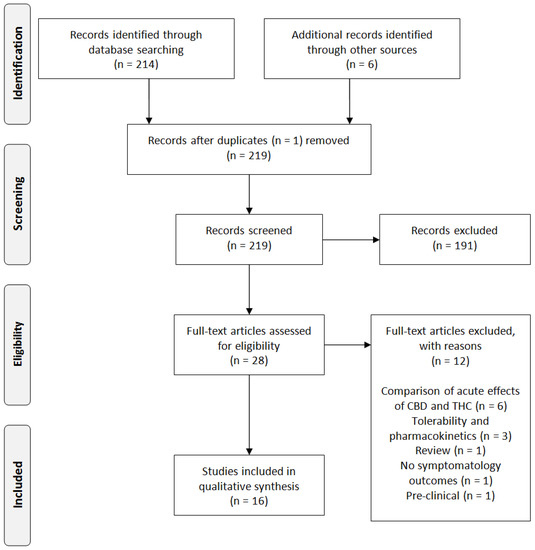
The Potential of Cannabidiol as a Treatment for Psychosis and Addiction: Who Benefits Most? A Systematic Review.

jcm-logo

“The endogenous cannabinoid (eCB) system plays an important role in the pathophysiology of both psychotic disorders and substance use disorders (SUDs). The non-psychoactive cannabinoid compound, cannabidiol (CBD) is a highly promising tool in the treatment of both disorders. Here we review human clinical studies that investigated the efficacy of CBD treatment for schizophrenia, substance use disorders, and their comorbidity. In particular, we examined possible profiles of patients who may benefit the most from CBD treatment. CBD, either as monotherapy or added to regular antipsychotic medication, improved symptoms in patients with schizophrenia, with particularly promising effects in the early stages of illness. A potential biomarker is the level of anandamide in blood. CBD and THC mixtures showed positive effects in reducing short-term withdrawal and craving in cannabis use disorders. Studies on schizophrenia and comorbid substance use are lacking. Future studies should focus on the effects of CBD on psychotic disorders in different stages of illness, together with the effects on comorbid substance use. These studies should use standardized measures to assess cannabis use. In addition, future efforts should be taken to study the relationship between the eCB system, GABA/glutamate, and the immune system to reveal the underlying neurobiology of the effects of CBD.”

Medical Marijuana Laws and Suicide

Publication Cover“In the current study we use a synthetic control group design to estimate the causal effect of a medical marijuana initiative on suicide risk.

In 1996, California legalized marijuana use for medical purposes. Implementation was abrupt and uniform, presenting a “natural experiment.” Utilizing a panel dataset containing annual frequencies of Total, gun, and non-gun suicides aggregated by state for the years 1970–2004, we construct a control time series for California as a weighted combination of the 41 states that did not legalize marijuana during the analysis period. Post-intervention differences for California and its constructed control time series can be interpreted as the effects of the medical marijuana law on suicide. Significance of the effects were assessed with permutation tests.

Our findings suggest that California’s 1996 legalization resulted in statistically significant (p<.05) reductions in suicides and gun suicides, but only a non-significant reduction in non-gun suicides (p≥.488). Since the effect for non-gun suicides was indistinguishable from chance, we infer that the overall causal effect was realized through gun suicides. The mechanism could not be determined, however. Participation in the medical marijuana program legally disqualifies participants from purchasing guns. But since most suicides involve guns, it is possible that the effect on total suicide is driven by gun suicide alone.”

https://www.tandfonline.com/doi/full/10.1080/13811118.2019.1612803

Multiple pharmacognostic characterization on hemp commercial cultivars: Focus on inflorescence water extract activity

Food and Chemical Toxicology“One of the most promising economic perspectives of hemp production chain is female inflorescence valorization, despite there being actually no chemical composition or biological data from water fraction. In this context, the focus of this study is the evaluation of protective effects related to hemp water flower extracts from four commercial cultivars (Futura 75, Kc virtus, Carmagnola Cs and Villanova). We evaluated the phytochemical profile through validated spectrophotometric and HPLC methods. Then, we studied the biological activity on C2C12 and HCT116 cell lines, and in an ex vivo experimental model of ulcerative colitis, constituted by isolated LPS-stimulated colon. Particularly, we assayed the blunting effects induced by hemp water extract treatment on LPS-induced levels of nitritesmalondialdehyde (MDA), prostaglandin (PG)E2and serotonin (5-HT). All tested cultivars displayed similar total phenolic and flavonoid profile. However, Futura 75 water extract displayed a better antioxidant and anti-inflammatory profile. Considering this, Futura 75 extract activity has been subsequently assayed on bacterial and fungal species involved in ulcerative colitis, finding a significant inhibition on C. albicans and selected Gram positive and negative bacterial strains.

Concluding, our results support the potential efficacy of hemp inflorescence water extracts in managing the clinical symptoms related to ulcerative colitis.”

https://www.sciencedirect.com/science/article/pii/S0278691519300468?via%3Dihub

Image 1

Hemp (Marijuana) reverted Copper-induced toxic effects on the essential fatty acid profile of Labeo rohita and Cirrhinus mrigala

“Heavy metals pollution affects the nutritive value of fish.

This study examined if the inclusion of dietary hempseed (HS) and hempseed oil (HO) in the diet of the fish could revert the copper-induced toxic effects on muscle fatty acid profile of rohu (Labeo rohita) and mrigal (Cirrhinus mrigala).

Copper exposure showed a significant effect on the fatty acid composition of both species; increased their saturated (SFA) to unsaturated (USFA) and altered their omega-3/omega-6 (ω-3/ω-6) ratios. However, feeding graded levels of hempseed products reverted the toxic effects of copper on the fatty acid profile of both the species, significantly increased muscle total fatty acid contents, improved ω-3/ω-6 ratios, and decreased SFA / USFA ratio in % inclusion dependent manner.

Furthermore, hempseed product showed a species-specific effect on USFA. The ω-3/ω-6 ratios decreased in the muscle of C. mrigala whereas an increasing trend with an increase in hempseed product % inclusion was observed in L. rohita. Moreover, HS showed a higher impact on both species as compared to HO.

With the findings of this study, hempseed product could be recommended as a feed ingredient for enhancing the essential fatty acid contents of fish which in turn can have a good impact on consumer health.”

https://link.springer.com/article/10.1007%2Fs11033-018-4483-2

Cannabidiol improves vocal learning-dependent recovery from, and reduces magnitude of deficits following, damage to a cortical-like brain region in a songbird pre-clinical animal model.

Neuropharmacology“Cannabidiol (CBD), a non-euphorigenic compound derived from Cannabis, shows promise for improving recovery following cerebral ischemia and has recently been shown effective for the treatment of childhood seizures caused by Dravet and Lennox-Gastaut syndromes.

Given evidence for activity to mitigate effects of CNS insult and dysfunction, we considered the possibility that CBD may also protect and improve functional recovery of a complex learned behavior. To test this hypothesis, we have applied a songbird, the adult male zebra finch, as a novel pre-clinical animal model.

Results indicate 10 and 100 mg/kg CBD effectively reduced the time required to recover vocal phonology and syntax. In the case of phonology, the magnitude of microlesion-related disruptions were also reduced.

These results suggest CBD holds promise to improve functional recovery of complex learned behaviors following brain injury, and represent establishment of an important new animal model to screen drugs for efficacy to improve vocal recovery.”

https://www.ncbi.nlm.nih.gov/pubmed/31325430

https://www.sciencedirect.com/science/article/pii/S0028390818305343?via%3Dihub

Cannabidiol improves behavioural and neurochemical deficits in adult female offspring of the maternal immune activation (poly I:C) model of neurodevelopmental disorders.

Brain, Behavior, and Immunity“Cognitive impairment is a major source of disability in schizophrenia and current antipsychotic drugs (APDs) have minimal efficacy for this symptom domain.

Cannabidiol (CBD), the major non-intoxicating component of Cannabis sativa L., exhibits antipsychotic and neuroprotective properties.

We recently reported the effects of CBD on cognition in male offspring of a maternal immune activation (polyinosinic-polycytidilic acid (poly I:C)) model relevant to the aetiology of schizophrenia; however, the effects of CBD treatment in females are unknown. Sex differences are observed in the onset of schizophrenia symptoms and response to APD treatment.

Furthermore, the endogenous cannabinoid system, a direct target of CBD, is sexually dimorphic in humans and rodents. Therefore, the present work aimed to assess the therapeutic impact of CBD treatment on behaviour and neurochemical signalling markers in female poly I:C offspring.

Overall, the findings of this study support the therapeutic benefits of CBD on recognition memory and sociability in female poly I:C offspring, and provide insight into the neurochemical changes that may underlie the therapeutic benefits of CBD in the poly I:C model.”

https://www.ncbi.nlm.nih.gov/pubmed/31326506

“These findings suggest that CBD is an efficacious treatment for behavioural and neurochemical changes in a female rodent model relevant to schizophrenia.”

https://www.sciencedirect.com/science/article/pii/S0889159119302806?via%3Dihub