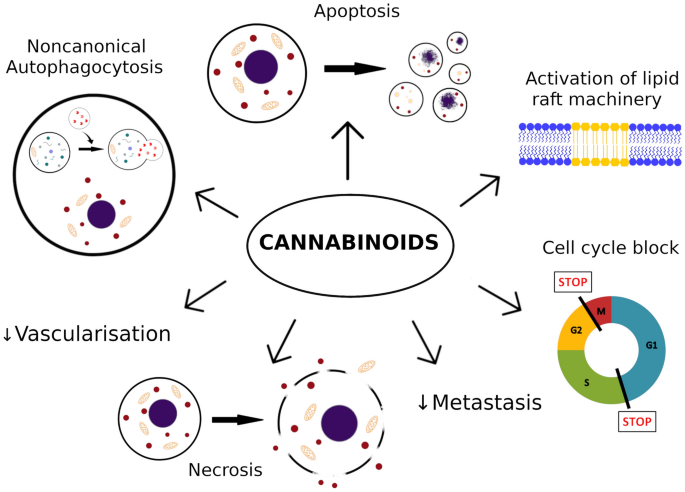
“In the recent years, the application of new antitumor drugs has focused on the replacement of conventional chemotherapeutics with compounds derived from natural products.
Cannabidiol (CBD) is one of the 113 cannabinoids derived from the plant Cannabis sativa and is characterized with complex and not entirely understood biological function. Unlike the other most abundant cannabinoid in Cannabis sativa – tetrahydrocannabinol, cannabidiol has low affinity to the endocannabinoid receptors and the manifestation of its activity does not appear to rely on the endocannabinoid system.
Cannabidiol is used in the treatment of many diseases including some types of cancer.
The aim of our study was to evaluate the cytotoxic activity of cannabidiol and its effect on the process of programmed cell death. This process is directly involved in the antitumor effect of many drugs.
We found that CBD treatment led to a dose-dependant apoptosis increase in p53 positive A549 cells.
Several studies have demonstrated that cannabinoids also have antineoplastic effect and are usually accompanied with no negative side effects such as the ones produced by the conventional chemotherapy treatment.”
https://www.tandfonline.com/doi/full/10.1080/13102818.2021.1915870
 “The Endocannabinoid System (ECS) is primarily responsible for maintaining homeostasis, a balance in internal environment (temperature, mood, and immune system) and energy input and output in living, biological systems.
  “Studies investigating the psychosomatic effects of social isolation in animals have shown that one of the physiologic system that gets disrupted by this environment-affective change is the Endocannabinoid System. As the levels of endocannabinoids change in limbic areas and prefrontal cortex during stressful times, so is the subject more prone to fearful and negative thoughts and aggressive behavior. The interplay of social isolation on the hypothalamic-pituitary-adrenal axis and cannabinoid tone triggers a vicious cycle which further impairs the natural body’s homeostatic neuroendocrine levels and provokes a series of risk factors for developing health complications. In this paper, we explore the psychosomatic impact of prolonged quarantine in healthy individuals, and propose management and coping strategies that may improve endocannabinoid tone, such as integration of probiotics, cannabidiol, meditation, and physical exercise interventions with the aim of supporting interpersonal, individual, and professional adherence with COVID-19 emergency public measures whilst minimizing their psycho-physical impact.”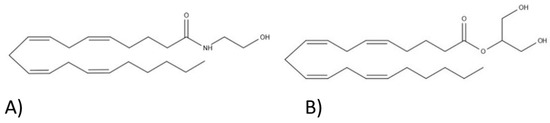
 “The use of cannabis for skin diseases and hair regrowth is at the preliminary stage.
 “Nowadays cardiovascular diseases (CVDs) are the major causes for the reduction of the quality of life.
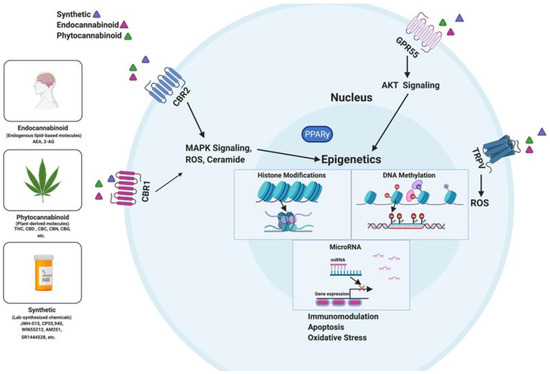
 “In humans, various sites like cannabinoid receptors (CBR) having a binding affinity with cannabinoids are distributed on the surface of different cell types, where endocannabinoids (ECs) and derivatives of fatty acid can bind. The binding of these substance(s) triggers the activation of specific receptors required for various physiological functions, including pain sensation, memory, and appetite.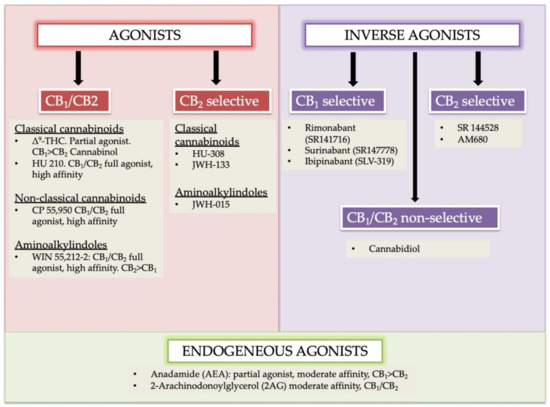
 “Melanoma is one of the most aggressive malignances in human. Recently developed therapies improved overall survival rate, however, the treatment of melanoma still remains a challenging issue.