The Medicinal Chemistry of Cannabinoids.

“The endocannabinoid system (ECS) comprises the two well characterized Gi/o -protein coupled receptors (CB1, CB2), their endogenous lipid ligands and the enzymes involved in their biosynthesis and biotransformation.

Drug discovery efforts relating to the ECS have been focused mainly on the two cannabinoid receptors and the two endocannabinoid deactivating enzymes fatty acid amide hydrolase (FAAH) and monoacylglycerol lipase (MGL).

This review provides an overview of cannabinergic agents used in drug research and those being explored clinically.”

 http://www.ncbi.nlm.nih.gov/pubmed/25801236

Identification of the CB1 cannabinoid receptor and fatty acid amide hydrolase (FAAH) in the human placenta.

“Synthetic cannabinoids, the psychoactive components of the Cannabis sativa (marijuana) and their endogenous counterparts, act through two G protein-coupled receptors, CB1 and CB2.

The endocannabinoids are metabolized by fatty acid amide hydrolase (FAAH).

We have examined CB1 receptor and FAAH expression in human term placenta by immunohistochemistry.

CB1 receptor was found to be present in all layers of the membrane, with particularly strong expression in the amniotic epithelium and reticular cells and cells of the maternal decidua layer. Moderate expression was observed in the chorionic cytotrophoblasts. The expression of FAAH was the highest in amniotic epithelial cells, chorionic cytotrophoblast and maternal decidua layer.

Our results suggest that the human placenta is a likely target for cannabinoid action and metabolism. ”

http://www.ncbi.nlm.nih.gov/pubmed/12744923

The role of cannabinoids in regulation of nausea and vomiting, and visceral pain.

“Marijuana derived from the plant Cannabis sativa has been used for the treatment of many gastrointestinal (GI) disorders, including anorexia, emesis, abdominal pain, diarrhea, and others.

Several cannabinoid receptors, which include the cannabinoid receptor 1 (CB1), CB2, and possibly GPR55, have been identified throughout the GI tract.

These receptors may play a role in the regulation of food intake, nausea and emesis, gastric secretion and gastroprotection, GI motility, ion transport, visceral sensation, intestinal inflammation, and cell proliferation in the gut.

…the regulation of nausea and vomiting by cannabinoids and the endocannabinoid system has shed new knowledge in this field.

Novel drug targets such as FAAH and monoacylglycerol lipase (MAGL) inhibitors appear to be promising in animal models, but more studies are necessary to prove their efficiency.

The promise of emerging drugs that are more selective and peripherally acting suggest that, in the near future, cannabinoids will play a major role in managing an array of GI diseases.”

http://www.ncbi.nlm.nih.gov/pubmed/25715910

Interactions of the opioid and cannabinoid systems in reward: Insights from knockout studies.

“The opioid system consists of three receptors, mu, delta, and kappa, which are activated by endogenous opioid peptides (enkephalins, endorphins, and dynorphins).

The endogenous cannabinoid system comprises lipid neuromodulators (endocannabinoids), enzymes for their synthesis and their degradation and two well-characterized receptors, cannabinoid receptors CB1 and CB2.

These systems play a major role in the control of pain as well as in mood regulation, reward processing and the development of addiction.

Both opioid and cannabinoid receptors are coupled to G proteins and are expressed throughout the brain reinforcement circuitry.

A better understanding of opioid-cannabinoid interactions may provide novel strategies for therapies in addicted individuals.”

http://www.ncbi.nlm.nih.gov/pubmed/25698968

The CB1 cannabinoid receptor signals striatal neuroprotection via a PI3K/Akt/mTORC1/BDNF pathway.

“The CB1 cannabinoid receptor, the main molecular target of endocannabinoids and cannabis active components, is the most abundant G protein-coupled receptor in the mammalian brain.

In particular, the CB1 receptor is highly expressed in the basal ganglia, mostly on terminals of medium-sized spiny neurons, where it plays a key neuromodulatory function.

The CB1 receptor also confers neuroprotection in various experimental models of striatal damage…

Here, by using an array of pharmacological, genetic and pharmacogenetic approaches, we show that (1) CB1receptor engagement protects striatal cells from excitotoxic death via the phosphatidylinositol 3-kinase/Akt/mammalian target of rapamycin complex 1 pathway, which, in turn, (2) induces brain-derived neurotrophic factor (BDNF) expression through the selective activation of BDNF gene promoter IV, an effect that is mediated by multiple transcription factors.

Collectively, these findings unravel a molecular link between CB1 receptor activation and BDNF expression, and support the relevance of the CB1/BDNF axis in promoting striatal neuron survival.”

http://www.ncbi.nlm.nih.gov/pubmed/25698444

Evaluation of Phytocannabinoids from High Potency Cannabis sativa using In Vitro Bioassays to Determine Structure-Activity Relationships for Cannabinoid Receptor 1 and Cannabinoid Receptor 2.

“Cannabis has been around for thousands of years and has been used recreationally, medicinally, and for fiber.

Over 500 compounds have been isolated from Cannabis sativa with approximately 105 being cannabinoids. Of those 105 compounds, Δ9-tetrahydrocannabinol has been determined as the primary constituent, which is also responsible for the psychoactivity associated with Cannabis.

Cannabinoid receptors belong to the large superfamily of G protein-coupled receptors.

Targeting the cannabinoid receptors has the potential to treat a variety of conditions such as pain, neurodegeneration, appetite, immune function, anxiety, cancer, and others.

Developing in vitro bioassays to determine binding and functional activity of compounds has the ability to lead researchers to develop a safe and effective drug that may target the cannabinoid receptors…”

http://www.ncbi.nlm.nih.gov/pubmed/25419092

Endocannabinoid-mediated modulation of Gq/11 protein-coupled receptor signaling-induced vasoconstriction and hypertension.

“Activation of G protein-coupled receptors (GPCRs) can induce vasoconstriction via calcium signal-mediated and Rho-dependent pathways…

Our aim was to provide evidence that GPCR signaling-induced 2-AG production and activation of vascular type1 cannabinoid receptors (CB1R) is capable of reducing agonist-induced vasoconstriction and hypertension…

Pharmacological or genetic loss of CB1R function augmented AngII-induced blood pressure rise in mice.

These data demonstrate that vasoconstrictor effect of GPCR agonists is attenuated via Gq/11-mediated vascular endocannabinoid formation.

Agonist-induced endocannabinoid-mediated CB1R activation is a significant physiological modulator of vascular tone.

Thus, the selective modulation of GPCR signaling-induced endocannabinoid release has a therapeutic potential in case of increased vascular tone and hypertension.”

http://www.ncbi.nlm.nih.gov/pubmed/25595485

http://www.thctotalhealthcare.com/category/hypertension-high-blood-pressure/

Activation of cannabinoid 2 receptors protects against cerebral ischemia by inhibiting neutrophil recruitment

Figure 1.

“THE CONSEQUENCES OF ISCHEMIC INJURY in liver, heart, and brain can be ameliorated by cannabinoids, a group of diverse compounds that include constituents of the plant Cannabis sativa (phytocannabinoids), endogenous lipids (endocannabinoids), and synthetic substances. Most of the effects of cannabinoids are mediated by the G-protein-coupled receptors cannabinoid receptor 1 (CB1) and cannabinoid receptor 2 (CB2)… 

Cannabinoids protect against ischemic stroke…

Activation of the cannabinoid 2 receptor (CB2) reduces ischemic injury in several organs…

In conclusion, our data demonstrate that by activating p38 in neutrophils, CB2 agonists inhibit neutrophil recruitment to the brain and protect against ischemic brain injury.”

http://www.fasebj.org/content/24/3/788.long

Sickle Cell Pain May be Managed with Cannabis

“Can Medical Cannabis Help to Cure SCD?”
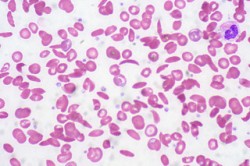
Sickle Cell Disease Pain May Be Managed 2

“Sickle cell disease (SCD) is a hereditary condition caused by a mutation in the haemoglobin gene, which leads to symptoms of anaemia, extreme pain, and organ damage if unmanaged.”
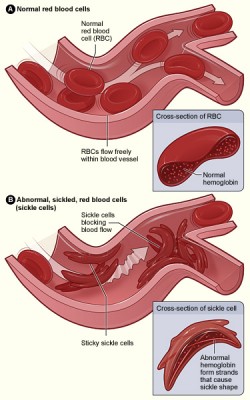
Sickle Cell Disease Pain May Be Managed 1

“Individuals suffering from SCD are far more likely to use cannabis than the general population, potentially for its analgesic properties.

In 2010, researchers at the University of Minnesota found that the synthetic THC analogue CP 55,940 was as effective as morphine sulphate in treating SCD-related severe pain in transgenic mice expressing human sickle haemoglobin, and that it was effective at smaller doses than the opioid.

In 2011, a further paper submitted by the same researchers to Blood (the Journal of the American Association of Hematology) indicated that CP 55,940 ameliorated severe pain associated with the hypoxia/reoxygenation cycle. CP 55,940 is a full agonist of both CB receptors, and is thought to act as an antagonist at the GPR55 receptor.

As well as this, cannabis has been repeatedly shown to act as a vasodilator, which could in itself assist in easing the blockages caused by build-up of sickle cells…

SCD is a painful and debilitating disease, and the overall inefficacy of opioid treatments and resultant poor quality of life for many sufferers is an indication that our approach to it is far from perfect.

If cannabis is a good candidate to replace opioids, it should be implemented forthwith to prevent ongoing suffering for existing patients.”

http://sensiseeds.com/en/blog/sickle-cell-pain-may-managed-cannabis/

Targeting CB2-GPR55 Receptor Heteromers Modulates Cancer Cell Signaling.

“The G protein-coupled receptors CB2 (CB2R) and GPR55 are overexpressed in cancer cells and human tumors. As a modulation of GPR55 activity by cannabinoids has been suggested, we analyzed whether this receptor participates in cannabinoid effects on cancer cells.

Here, we show that CB2R and GPR55 form heteromers in cancer cells, that these structures possess unique signaling properties, and that modulation of these heteromers can modify the antitumoral activity of cannabinoids in vivo.

These findings unveil the existence of previously unknown signaling platforms that help explain the complex behavior of cannabinoids and may constitute new targets for therapeutic intervention in oncology.”

http://www.ncbi.nlm.nih.gov/pubmed/24942731

http://www.thctotalhealthcare.com/category/cancer/