“Background: Recent approved medicines whose active principles are Δ9Tetrahidrocannabinol (Δ9-THC) and/or cannabidiol (CBD) open novel perspectives for other phytocannabinoids also present in Cannabis sativa L. varieties. Furthermore, solid data on the potential benefits of acidic and varinic phytocannabinoids in a variety of diseases are already available. Mode of action of cannabigerol (CBG), cannabidiolic acid (CBDA), cannabigerolic acid (CBGA), cannabidivarin (CBDV) and cannabigerivarin (CBGV) is, to the very least, partial.
Hypothesis/purpose: Cannabinoid CB1 or CB2 receptors, which belong to the G-protein-coupled receptor (GPCR) family, are important mediators of the action of those cannabinoids. Pure CBG, CBDA, CBGA, CBDV and CBGV from Cannabis sativa L. are differentially acting on CB1 or CB2 cannabinoid receptors.
Study design: Determination of the affinity of phytocannabinoids for cannabinoid receptors and functional assessment of effects promoted by these compounds when interacting with cannabinoid receptors.
Methods: A heterologous system expressing the human versions of CB1 and/or CB2 receptors was used. Binding to membranes was measured using radioligands and binding to living cells using a homogenous time resolved fluorescence resonance energy transfer (HTRF) assay. Four different functional outputs were assayed: determination of cAMP levels and of extracellular-signal-related-kinase phosphorylation, label-free dynamic mass redistribution (DMR) and ß-arrestin recruitment.
Results: Affinity of cannabinoids depend on the ligand of reference and may be different in membranes and in living cells. All tested phytocannabinoids have agonist-like behavior but behaved as inverse-agonists in the presence of selective receptor agonists. CBGV displayed enhanced potency in many of the functional outputs. However the most interesting result was a biased signaling that correlated with differential affinity, i.e. the overall results suggest that the binding mode of each ligand leads to specific receptor conformations underlying biased signaling outputs.
Conclusion: Results here reported and the recent elucidation of the three-dimensional structure of CB1 and CB2 receptors help understanding the mechanism of action that might be protective and the molecular drug-receptor interactions underlying biased signaling.”
https://pubmed.ncbi.nlm.nih.gov/32470563/
https://www.sciencedirect.com/science/article/abs/pii/S1043661820312482?via%3Dihub

 “Cannabis (Cannabis sativa L.) is a complex, polymorphic plant species, which produces a vast array of bioactive metabolites, the two major chemical groups being cannabinoids and terpenoids. Nonetheless, the psychoactive cannabinoid tetrahydrocannabinol (Δ 9 -THC) and the non-psychoactive cannabidiol (CBD), are the two major cannabinoids that have monopolized the research interest.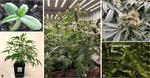
 “Several neuropharmacological actions of cannabidiol (CBD) due to the modulation of the endocannabinoid system as well as direct serotonergic and gamma-aminobutyric acidergic actions have recently been identified.
 “Four pivotal randomized placebo-controlled trials have demonstrated that adjunctive therapy with cannabidiol (CBD) improves seizure control in patients with Dravet syndrome (DS) and Lennox-Gastaut syndrome (LGS).
 “The market for products featuring hemp extracts is large and growing larger. However, safety concerns have been raised by medical and regulatory agencies. Post marketing surveillance of full spectrum hemp extract (FSHE) products manufactured and distributed by CV Sciences (CVSI) and traded under the brand PlusCBD™ was conducted over a 2-year period (2018-2019). The safety of these products was assessed by analyzing adverse events reports.
 “Multiple sclerosis (MS) is an autoimmune demyelinating disease of the central nervous system, affecting ambulation even in people with only mild neurological signs. Patients with MS frequently experience spasticity, which contributes significantly to impair their motor functions, including ambulation, owing to muscle stiffness, spasms, and pain.
 “Cannabidiol (CBD) and cannabigerol (CBG) are Cannabis sativa terpenophenols.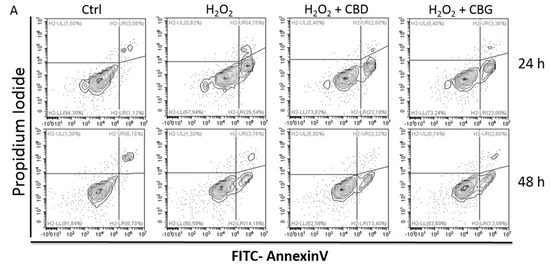
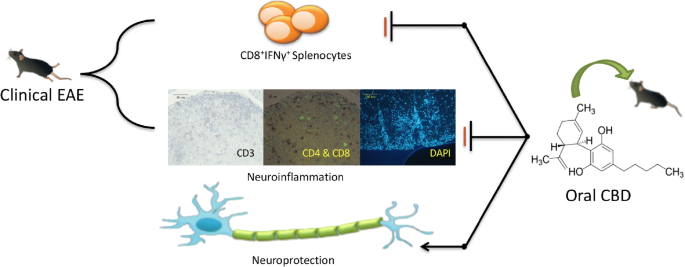
 “In this study cannabidiol (CBD) was administered orally to determine its effects and mechanisms in the experimental autoimmune encephalomyelitis (EAE) model of multiple sclerosis (MS). We hypothesized that 75 mg/kg of oral CBD given for 5 days after initiation of disease would reduce EAE severity through suppression of either the early peripheral immune or late neuroimmune response.