Experts’ Perspectives on the Role of Medical Marijuana in Oncology: a semi-structured interview study.

Image result for Psycho Oncology

“Expansion of medical marijuana (MM) laws in the United States may offer oncology new therapeutic options.

This study qualitatively explored professional opinion around the role of MM in cancer care.

Expert opinion was divided between conviction in marijuana’s medicinal potential to guardedness in this assertion, with no participant refuting MM’s utility outright.

Emergent themes included: that MM ameliorates cancer-related pain and nausea and is safer than certain conventional medications.

Participants called for enhanced purity and production standards, and further research on MM’s utility.”

https://www.ncbi.nlm.nih.gov/pubmed/28040884

Protective effects of trans-caryophyllene on maintaining osteoblast function.

Image result for IUBMB Life.

“Age-related osteoblast dysfunction is the main cause of age-related bone loss.

Trans-caryophyllene (TC) is an important constituent of the essential oils derived from several species of medicinal plants.

In this study, we investigated the effects of TC on osteoblast function in osteoblastic MC3T3-E1 cells. The results indicate that TC caused a significant elevation in collagen content, alkaline phosphatase activity, osteocalcin production, and mineralization, which are the four markers that account for the various stages of osteoblastic differentiation.

Our findings that TC promotes the formation of a mineralized extracellular matrix help to elucidate the role of CB2 signaling in the formation of bone and the maintenance of normal bone mass.”

https://www.ncbi.nlm.nih.gov/pubmed/28026135

“Trans-caryophyllene is a sesquiterpene present in many medicinal plants’ essential oils, such as Ocimum gratissimum and Cannabis sativa.”  https://www.ncbi.nlm.nih.gov/pubmed/24055516

In vitro Antimicrobial and Antioxidant Activity of Extracts from Six Chemotypes of Medicinal Cannabis

“Nowadays, medicinal cannabis (Cannabis sativa L) is in the focus of the researches not only for its high content of tetrahydrocannabinol (THC), but for other cannabinoids as well.

It has been reported that some of the identified substances (e.g. cannabidiol, cannabinochromene) possess anti-inflammatory and antimicrobial properties, which corresponds to its traditional use as wound healing agent at Pakistan.

The aim of this study was to evaluate antimicrobial and antioxidant ability of extracts from high potent Cannabis sativa chemotypes.

The six ethanolic extracts prepared from dried inflorescence of five medicinal cannabis chemotypes (Nurse Jackie, Jilly Bean, Nordle, Jack Cleaner, Conspiracy Kush) were tested by standard microdilution method against Staphylococcus aureus (three strains), Streptococcus pyogenes and the yeast Candida albicans.

Those microbial strains are present on skin and can cause complication during wound healing process.

The antioxidative activity, which plays an important role in wound healing process, was tested by oxygen radical absorbance capacity test (ORAC).

All tested extracts demonstrated high antimicrobial activity against two strains of S. aureus and S. pyogenes (MIC ranged from 4 – 16 µg·mL-1), moreover high antioxidant capacity was observed (ORAC ranged from 800 – 1300 µg TE/mg of extract).

The results indicate that cannabis has high potential to be used in ointments and other material for wound healing.

However, further research on the identification of the active components is needed.”

https://www.thieme-connect.com/DOI/DOI?10.1055/s-0036-1596302

IN VITRO ANTIMICROBIAL AND ANTIOXIDANT ACTIVITIES OF TWO MEDICINAL PLANTS AGAINST SOME CLINICALLY IMPORTANT BACTERIA

Image result for Lahore College for Women University

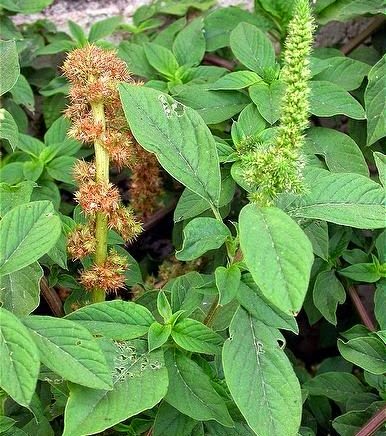
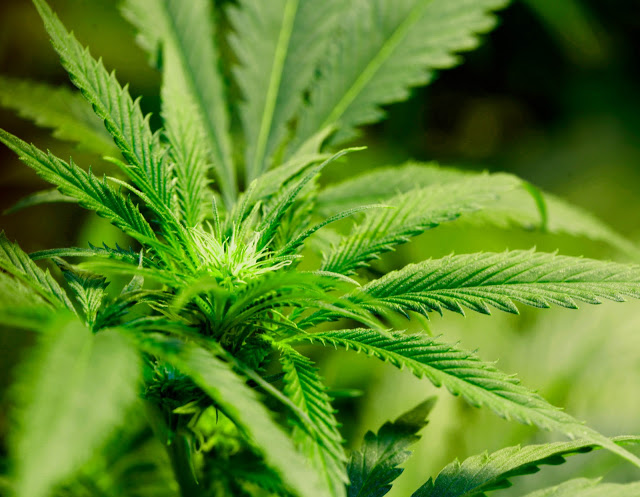
“The aim of the present study was to evaluate the antimicrobial potential of Amaranthus viridis (Chowlai) and Cannabis sativa (Bhang) against clinically important bacteria, Staphylococcus aureus, Klebsiella pneumonia, Pseudomonas aeruginosa and Escherichia coli.

The study revealed that leaves of A. viridis and C. sativa possess broad spectrum antimicrobial activity and natural antioxidants that can be of considerable pharmaceutical importance.

Leaf and stem extracts of A. viridis and C. sativa demonstrated a broad spectrum efficacy against Grampositive and Gram-negative bacteria. These plants also exhibited good antioxidant activity.”

https://fuuast.edu.pk/biology%20journal/images/pdfs/2016/june/paper17.pdf

Image result for Amaranthus viridis (Chaulai)

Image result for Cannabis sativa (Bhang)

Survey of herbal cannabis (marijuana) use in rheumatology clinic attenders with a rheumatologist confirmed diagnosis.

Image result for pain journal

“Cannabinoids may hold potential for the management of rheumatic pain.

Arthritis, often self-reported, is commonly cited as the reason for the use of medicinal herbal cannabis (marijuana). We have examined the prevalence of marijuana use among 1000 consecutive rheumatology patients with a rheumatologist-confirmed diagnosis and compared in an exploratory manner the clinical characteristics of medicinal users and nonusers.

Current marijuana use, medicinal or recreational, was reported by 38 patients (3.8%; 95% CI: 2.8-5.2). Ever use of marijuana for medical purposes was reported by 4.3% (95% CI: 3.2-5.7), with 28 (2.8%; 95% CI: 1.9-4.0) reporting current medicinal use. Current medicinal users had a spectrum of rheumatic conditions, with over half diagnosed with osteoarthritis. Medicinal users were younger, more likely unemployed or disabled, and reported poorer global health. Pain report and opioid use was greater for users, but they had similar physician global assessment of disease status compared with nonusers.

Medicinal users were more likely previous recreational users, with approximately 40% reporting concurrent recreational use. Therefore, less than 3% of rheumatology patients reported current use of medicinal marijuana. This low rate of use in patients with a rheumatologist-confirmed diagnosis is in stark contrast to the high rates of severe arthritis frequently reported by medicinal marijuana users, especially in Canada. Familiarity with marijuana as a recreational product may explain use for some as disease status was similar for both groups.”

https://www.ncbi.nlm.nih.gov/pubmed/27842047

Clinical trials of medicinal cannabis for appetite-related symptoms from advanced cancer: a survey of preferences, attitudes and beliefs among patients willing to consider participation.

Image result for internal medicine journal

“Australian clinical trials are planned to evaluate medicinal cannabis in a range of clinical contexts.

To explore the preferences, attitudes and beliefs of patients eligible and willing to consider participation in a clinical trial of medicinal cannabis for poor appetite and appetite-related symptoms from advanced cancer.

A cross-sectional anonymous survey was administered from July to December 2015 online and in eight adult outpatient palliative care and/or cancer services. Respondents were eligible if they were ≥18 years, had advanced cancer and poor appetite/taste problems/weight loss and might consider participating in a medicinal cannabis trial. Survey items focused on medicinal rather than recreational cannabis use and did not specify botanical or pharmaceutical products. Items asked about previous medicinal cannabis use and preferences for delivery route and invited comments and concerns.

RESULTS:

There were 204 survey respondents, of whom 26 (13%) reported prior medicinal cannabis use. Tablets/capsules were the preferred delivery mode (n = 144, 71%), followed by mouth spray (n = 84, 42%) and vaporiser (n = 83, 41%). Explanations for preferences (n = 134) most commonly cited convenience (n = 66; 49%). A total of 82% (n = 168) of respondents indicated that they had no trial-related concerns, but a small number volunteered concerns about adverse effects (n = 14) or wanted more information/advice (n = 8). Six respondents volunteered a belief that cannabis might cure cancer, while two wanted assurance of efficacy before participating in a trial.

CONCLUSION:

Justification of modes other than tablets/capsules and variable understanding about cannabis and trials will need addressing in trial-related information to optimise recruitment and ensure that consent is properly informed.”

https://www.ncbi.nlm.nih.gov/pubmed/27530738

Preclinical and Clinical Assessment of Cannabinoids as Anti-Cancer Agents.

Image result for Front Pharmacol.

“Cancer is the second leading cause of death in the United States with 1.7 million new cases estimated to be diagnosed in 2016. This disease remains a formidable clinical challenge and represents a substantial financial burden to the US health care system. Therefore, research and development of novel therapeutics for the treatment of cancer is of high priority.

Cannabinoids and their derivatives have been utilized for their medicinal and therapeutic properties throughout history.

Cannabinoid activity is regulated by the endocannabinoid system (ECS), which is comprised of cannabinoid receptors, transporters, and enzymes involved in cannabinoid synthesis and breakdown.

More recently, cannabinoids have gained special attention for their role in cancer cell proliferation and death. However, many studies investigated these effects using in vitro models which may not adequately mimic tumor growth and metastasis.

As such, this article aims to review study results which evaluated effects of cannabinoids from plant, synthetic and endogenous origins on cancer development in preclinical animal models and to examine the current standing of cannabinoids that are being tested in human cancer patients.” https://www.ncbi.nlm.nih.gov/pubmed/27774065

“The studies reviewed herein indicate that cannabinoids elicit activity through cannabinoid receptor dependent and independent pathways. The evidence generated in these human studies are still informative and, when taken together with the strong in vivo animal data demonstrating anti-tumor effects of cannabinoids, offer promise for a clinical role for cannabinoids in the eradication of tumors. Hence, these investigations shed light on the role of cannabinoids on tumor growth in vivo and may ultimately pave the way for the development of novel cannabinoid therapeutics for cancer treatment.”  http://journal.frontiersin.org/article/10.3389/fphar.2016.00361/full

Leveraging allostery to improve G protein-coupled receptor (GPCR)-directed therapeutics: cannabinoid receptor 1 as a discovery target.


Image result for expert opinion on drug discovery

“Allosteric modulators of G-protein coupled receptors (GPCRs) hold the promise of improved pharmacology and safety over typical orthosteric GPCR ligands.

These features are particularly relevant to the cannabinoid receptor 1 (CB1R) GPCR, since typical orthosteric CB1R ligands are associated with adverse events that limit their translational potential.

Areas covered: The contextual basis for applying allostery to CB1R is considered from pharmacological, drug-discovery, and medicinal standpoints.

Rational design of small-molecule CB1R allosteric modulators as potential pharmacotherapeutics would be greatly facilitated by direct experimental characterization of structure-function correlates underlying the biological activity of chemically-diverse CB1R allosteric modulators, CB1R allosteric ligand-binding binding pockets, and amino acid contact residues critical to allosteric ligand engagement and activity.

In these regards, designer covalent probes exhibiting well-characterized molecular pharmacology as CB1R allosteric modulators are emerging as valuable molecular reporters enabling experimental interrogation of CB1R allosteric site(s) and informing the design of new CB1R agents as drugs.

Expert opinion: Synthesis and pharmacological profiling of CB1R allosteric ligands will continue to provide valuable insights into CB1R structure-function correlates. The resulting data should expand the repertoire of novel agents capable of exerting therapeutic benefit by modulating CB1R-dependent signaling.”

Use of marijuana for medical purposes.

Image result for Ann Agric Environ Med.

“Cannabis is the most popular illicit drug on the European market. Over 16 million young Europeans have used it at least once in the last few years. The recent trends in the consumption of marihuana differ between countries. Some countries face an increase in the prevalence of cannabis use, including Poland, where the level cannabis use has been systematically increasing since the 1990’s. According to a recent ESPAD study, 19% of Polish adolescents aged 15-16 have used cannabis in the last year. Marihuana is also a leading substance when analyzing the data of seizures and crimes. The recent EMCDDA Annual report on the drug situation in Europe notes the increasing potency in cannabis available on the market. Some countries face an increasing number of emergencies caused by marihuana, which was unlikely to have happened previously. In almost all European countries there is an ongoing discussion about loosening marijuana laws or its complete legalization. There is also ongoing discussion on the use of marihuana in therapy as a medicine. Many scientific studies are being conducted in this field. Some of the results are promising; however, there is no well-designed human trial which would unequivocally confirm that medical cannabis is effective as a medicine, or more effective than other medicines on the market. The problem is that the debate on the medical use of marihuana becomes more ideological and less professional. The medical use of marihuana is strongly supported by organizations lobbying for the legalization of cannabis use. Research on the medical use of cannabis should be continued, as there are some promising results supporting therapy in different medical conditions. However, the use of cannabis as a medicine should be discussed only among professionals. If marihuana is to be used for medical purposes, the fact that it is the most popular illicit drug in Europe is irrelevant.”

http://www.ncbi.nlm.nih.gov/pubmed/27660881

From Phytocannabinoids to Cannabinoid Receptors and Endocannabinoids: Pleiotropic Physiological and Pathological Roles Through Complex Pharmacology.

Image result for Physiol Rev.

“Apart from having been used and misused for at least four millennia for, among others, recreational and medicinal purposes, the cannabis plant and its most peculiar chemical components, the plant cannabinoids (phytocannabinoids), have the merit to have led humanity to discover one of the most intriguing and pleiotropic endogenous signaling systems, the endocannabinoid system (ECS).

This review article aims to describe and critically discuss, in the most comprehensive possible manner, the multifaceted aspects of 1) the pharmacology and potential impact on mammalian physiology of all major phytocannabinoids, and not only of the most famous one Δ9-tetrahydrocannabinol, and 2) the adaptive pro-homeostatic physiological, or maladaptive pathological, roles of the ECS in mammalian cells, tissues, and organs.

In doing so, we have respected the chronological order of the milestones of the millennial route from medicinal/recreational cannabis to the ECS and beyond, as it is now clear that some of the early steps in this long path, which were originally neglected, are becoming important again. The emerging picture is rather complex, but still supports the belief that more important discoveries on human physiology, and new therapies, might come in the future from new knowledge in this field.”

http://www.ncbi.nlm.nih.gov/pubmed/27630175