
 “Cannabis sativa is one of the oldest medicinal plants used by humans, containing hundreds of bioactive compounds. The biological effects and interplay of these compounds are far from fully understood, although the plant’s therapeutic effects are beyond doubt.
Extraction methods for these compounds are becoming an integral part of modern Cannabis-based medicine. Still, little is known about how different methods affect the final composition of Cannabis extracts and thus, their therapeutic effects.
In this study, different extraction methods were tested, namely maceration, Soxhlet, ultrasound-assisted extraction (UAE), and supercritical CO2 extraction methods. The obtained extracts were evaluated for their cannabinoid content, antioxidant properties, and in vitro bioactivity on human colon cancer and healthy colon cells.
Our data suggest that Cannabis extracts, when properly prepared, can significantly decrease cancer cell viability while protecting healthy cells from cytotoxic effects.
However, post-processing of extracts poses a significant limitation in predicting therapeutic response based on the composition of the crude extract, as it affects not only the actual amounts of the respective cannabinoids but also their relative ratio to the primary extracts. These effects must be carefully considered in the future preparations of new therapeutic extracts.”
 “Breast cancer is the leading cause of cancer-related death in women worldwide. In the last years, cannabinoids have gained attention in the clinical setting and clinical trials with cannabinoid-based preparations are underway. However, contradictory anti-tumour properties have also been reported. Thus, the elucidation of the molecular mechanisms behind their anti-tumour efficacy is crucial to better understand its therapeutic potential.
 “Recently, there has been a growing interest in the medical applications of Cannabis plants. They owe their unique properties to a group of secondary metabolites known as phytocannabinoids, which are specific for this genus. Phytocannabinoids, and cannabinoids generally, can interact with cannabinoid receptors being part of the endocannabinoid system present in animals. Over the years a growing body of scientific evidence has been gathered, suggesting that these compounds have therapeutic potential.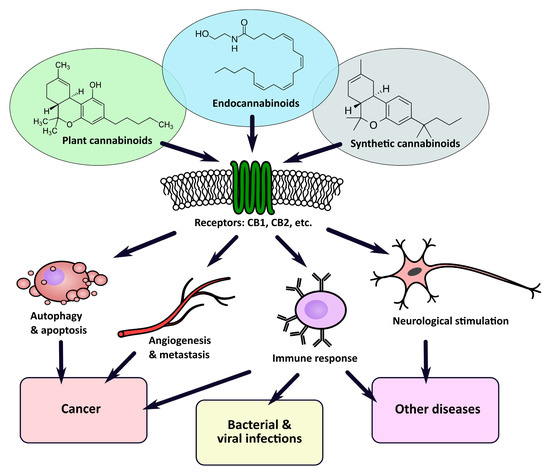
 “Cannabis has been used as a medicine for millennia. Prohibition in the mid-20th century precluded early scientific investigation.
 “Recently, cannabinoids, such as cannabidiol (CBD) and Δ9 -tetrahydrocannabinol (THC), have been the subject of intensive research and heavy scrutiny. Cannabinoids encompass a wide array of organic molecules, including those that are physiologically produced in humans, synthesized in laboratories, and extracted primarily from the Cannabis sativa plant. These organic molecules share similarities in their chemical structures as well as in their protein binding profiles. However, pronounced differences do exist in their mechanisms of action and clinical applications, which will be briefly compared and contrasted in this review. The mechanism of action of CBD and its potential applications in cancer therapy will be the major focus of this review article.”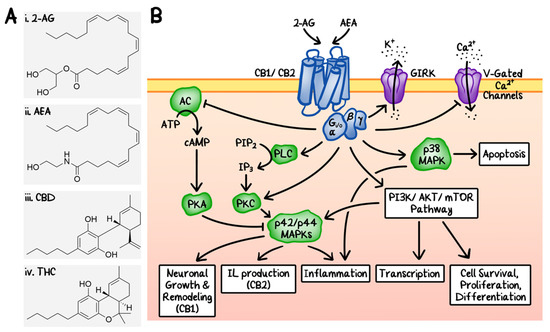
 “Background: Older adults (≥50 years) represent the fastest-growing population of people who use cannabis, potentially due to the increasing promotion of cannabis as medicine by dispensaries and cannabis websites. Given healthy aging and cannabis use are both associated with cognitive decline, it is important to establish the effects of cannabis on cognition in healthy aging.
 “Objective: To determine the benefit of a tetrahydrocannabinol (THC)-rich cannabis oil on symptoms and quality of life of fibromyalgia patients.
 “Cannabis is a historical plant which has been used as a medicine in East Asia.