The Potential Therapeutic Effects of THC on Alzheimer’s Disease.

“The purpose of this study was to investigate the potential therapeutic qualities of Δ9-tetrahydrocannabinol (THC) with respect to slowing or halting the hallmark characteristics of Alzheimer’s disease…

These sets of data strongly suggest that THC could be a potential therapeutic treatment option for Alzheimer’s disease through multiple functions and pathways.”

http://www.ncbi.nlm.nih.gov/pubmed/25024327

Defective Adult Neurogenesis in CB1 Cannabinoid Receptor Knockout Mice

  Fig. 1.

“…endogenous cannabinoid signaling mechanisms may represent a key component of cell-survival programs mobilized in the injured brain.

In addition to their neuroprotective effects, cannabinergic systems may also have an important role in brain development…

…expression of endocannabinoids and cannabinoid receptors in brain…

Neurogenesis, or the birth of new neurons, continues to occur beyond development and into adulthood, and several lines of evidence suggest that cannabinoid signaling may be involved in this process as well…

In addition to the well known effects of growth factors, a variety of drugs has been shown to influence adult neurogenesis. These include excitatory amino acid receptor antagonists, antidepressants, lithium, nitric oxide donors, phosphodiesterase inhibitors, and statins.

Together with the finding that neurogenesis can be regulated by cannabinoids, these observations imply that a broad range of pharmacological approaches may exist through which to modify neurogenesis for therapeutic purposes.”

http://molpharm.aspetjournals.org/content/66/2/204.full

Cannabinoid receptor CB2 is expressed on vascular cells, but not astroglial cells in the post-mortem human Huntington’s disease brain.

“Huntington’s disease (HD) is an inherited neurological disease with motor, cognitive and psychiatric symptoms. Characterised by neuronal degeneration, HD pathology is initially apparent in the striatum and cortex.

Considerable research has recently suggested that the neurological immune response apparent in brain injury and disease may provide a valuable therapeutic target.

Cannabinoid CB2 receptors are localised and up-regulated on a number of peripheral immune cell types following inflammation and injury.

…our observation that CB2 is present on blood vessel cells, with increased CD31 co-localisation in HD may represent a new context for CB2 therapeutic approaches to neurodegenerative diseases.”

http://www.ncbi.nlm.nih.gov/pubmed/24978314

http://www.thctotalhealthcare.com/category/huntingtons/

Ligand Activation of Cannabinoid Receptors Attenuates Hypertrophy of Neonatal Rat Cardiomyocytes.

“Endocannabinoids are bioactive amides, esters and ethers of long chain polyunsaturated fatty acids. Evidence suggests that activation of the endocannabinoid pathway offers cardioprotection against myocardial ischemia, arrhythmias, and endothelial dysfunction of coronary arteries.

…may represent a novel therapeutic approach to cardioprotection.”

http://www.ncbi.nlm.nih.gov/pubmed/24979612

Researchers study neuroprotective properties in cannabis

“With more states opting to legalize the sale of medical marijuana, researchers are taking a closer look at the use of cannabis to treat chronic illnesses.

Dr. Manny Alvarez, senior managing health editor of FoxNews.com, recently sat down with the Medicine Hunter, Chris Kilham, to find out how it’s being studied.

Dr. Manny: Now from the medical marijuana perspective, as far as the treatment of chronic illnesses, what is it about cannabis that makes it that special?

Medicine Hunter: Well, it seems that there are primarily two things – there’s the THC, that’s what people associated with getting high. And that appears to have a saliatory effect on the eyes in case of glaucoma. For people who are suffering from chemotherapy and can’t eat, it helps to get their appetite back. And we also know that it is a potent pain reliever – and science on that goes back to the 1890s.

But there’s another agent in cannabis that is getting more attention now, and that is called cannabidiol. And this is something that you can swallow by the bucket-full, and it won’t get you high at all. But it appears to have profound nerve-protective and brain-enhancing properties. And interestingly enough, it also induces an anti-anxiety effect.

So this appears to be a very important agent, perhaps useful in the treatment of neurodegenerative disorders.

DM: Are they extracting that particular chemical off the marijuana?

MH: There seem to be two pathways that people are taking.  You’ve got G.W. pharmaceuticals in Britain that has come out with a whole cannabis fluid spray. You’ve got people also isolating cannabidiol and playing with that in the lab.

I don’t know how this is all going to settle out – I mean, as a whole-plant person, I’m inclined toward the whole extract. But it does appear that this may also have anti-cancer properties, and that’s very intriguing.

DM: Is marijuana addictive?

MH: I would say that people can absolutely become dependent upon it.  But not physiologically addictive.  And, as you know, that’s not just parsing terms – I mean physiological addiction, you go through very grave withdrawal.

But people can become dependent on it just as they can on any substance.

DM: Tell me about this study in the American Journal of Pediatrics talking about pregnant Jamaican women and the use of pot.

MH: Melanie Dreher, who is the dean of nursing at Rush Medical Center inChicago, did a study in Jamaica. It was actually published in the American Journal of Pediatrics in 1994, but now it’s re-circulating because of all the interest in the neuroprotective properties.

Basically, she studied women during their entire pregnancy, and then studied the babies about a year after birth. And what she studied was a group of women who did smoke cannabis during pregnancy and those who didn’t. She expected to see a difference in the babies as far as birth weight and neuro tests, but there was no difference whatsoever. The differences that the researchers did notice, that are unexplained and kind of curious are that the babies of the women who had smoked cannabis — and we’re talking about daily use during their pregnancy — socialized more quickly, made eye contact more quickly and were easier to engage.

We don’t know why this is so, but all the old saws of smoking during pregnancy will result in low birth weight did not show up — at least in the Jamaican study. In U.S. studies where we’ve seen a similar investigation, women have concurrently been abusing alcohol and other drugs as well.

Alvarez said it’s interesting to note that there may be neuroprotective properties present in cannabis and the cannibidiol extract, but that smoking of any kind in pregnant women is discouraged.”

More research is needed when it comes to medical marijuana, he added.”

http://www.foxnews.com/health/2012/03/20/researchers-study-neuroprotective-properties-in-cannabis/

“Study: Cannabis may prevent brain damage” http://www.foxnews.com/health/2013/06/06/study-cannabis-may-prevent-brain-damage/

Cannabinoid as a neuroprotective strategy in perinatal hypoxic-ischemic injury.

“Perinatal hypoxia-ischemia remains the single most important cause of brain injury in the newborn, leading to death or lifelong sequelae.

Because of the fact that there is still no specific treatment for perinatal brain lesions due to the complexity of neonatal hypoxic-ischemic pathophysiology, the search of new neuroprotective therapies is of great interest.

In this regard, therapeutic possibilities of the endocannabinoid system have grown lately.

The endocannabinoid system modulates a wide range of physiological processes in mammals and has demonstrated neuroprotective effects in different paradigms of acute brain injury, acting as a natural neuroprotectant.

Concerning perinatal asphyxia, the neuroprotective role of this endogenous system is emerging these years.

The present review mainly focused on the current knowledge of the cannabinoids as a new neuroprotective strategy against perinatal hypoxic-ischemic brain injury.

http://www.ncbi.nlm.nih.gov/pubmed/21788999

Compounds in cannabis could limit stroke damage

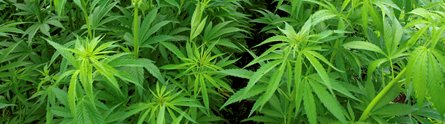
A cannabis plant

“Chemical compounds found in cannabis may help to reduce brain damage following a stroke, new research has revealed.

 Researchers at the University of Nottingham conducted a meta-analysis of experimental studies into cannabinoids; chemicals related to those found in cannabis, some of which also occur naturally in the body. The findings showed that the compounds could reduce the size of stroke and improve neurological function.
Cannabinoids can be classified into those found naturally in the body (endocannabinoids), those made artificially (synthetic cannabinoids) or those derived from extracts from the plant cannabis sativa (phytocannabinoids).”

Marijuana Use Linked To Lower Stroke Risk

(Photo: comedy_nose/Flickr)

“Those who use marijuana may benefit from a reduced chance of stroke, according to a new study.

As part of The Stroke Prevention in Young Adults Study, researchers from the University of Maryland analyzed past marijuana use among 751 stroke cases and 813 controls.

The results, which spanned 16 years, showed that those who used marijuana were less likely to suffer a stroke. 28.8% of stroke patients reported marijuana use verses 32.7% of those with no history of stroke.

“The question is still out there, the research still needs to be done. Patients are interested, and I think this lays a foundation for that,” said Dr. Billinghurst.

However, cochair Jennifer Majersik, MD, of the University of Utah, said the study “should be reassuring” to people who smoked marijuana in the 1960s or 1970s, adding that Baby Boomers have yet to show any negative marijuana-associated effects.

Factors that seemed to increase the risk of stroke included tobacco and alcohol use and a history of diabetes and hypertension. Stroke sufferers also tended to be male.

‘Extremely Promising’

Other studies have suggested a link between marijuana use and an increased risk of stroke, but opinions remain divided. On the other hand, there is a growing body of evidence that supports a beneficial role of medical marijuana following a stroke.

In 2013, researchers at the University of Nottingham analyzed pre-existing evidence and concluded that marijuana compounds, called cannabinoids, show promise in reducing the severity of stroke and improving patient outcomes.

“The data are guiding the next steps in experimental stroke in order to be able to progress onto initial safety assessments in a clinical trial,” said lead author and stroke specialist Dr. Tim England.

An earlier analysis of cannabinoids in post-stroke treatment, published in 2012, concluded that “both synthetic cannabinoids and endocannabinoids represent extremely promising therapeutic compounds.”

According to the 2012 findings, compounds that bind to the body’s marijuana pathways may offer protection against post-stroke injury due to their “potent anti-inflammatory” effects.”

http://www.leafscience.com/2014/05/13/marijuana-use-linked-lower-stroke-risk/

The Cannabinoid WIN55212-2 Promotes Neural Repair After Neonatal Hypoxia–Ischemia

Figure 1.

“In the last years, cannabinoids have emerged as promising neuroprotective agents in several animal paradigms of acute and degenerative brain damage. Most neuroprotective effects of cannabinoids result from the activation of cannabinoid Type 1 (CB1R) and Type 2 (CB2R) receptors in neural and immune cells.

Besides, the stimulating effect of cannabinoids on proliferation, survival, and differentiation of neural progenitor cells provides interesting prospects for long-term neural repair after acute brain damage.

The endocannabinoid system has been involved in the modulation of neural stem cells proliferation, survival and differentiation as well as in the generation of new oligodendrocyte progenitors in the postnatal brain. The present work aims to test the effect of the synthetic Type 1 and Type 2 cannabinoid receptor agonist WIN55212-2 on these processes in the context of neonatal rat brain hypoxia–ischemia (HI)…

Our results suggest that the activation of the endocannabinoid system promotes white and gray matter recovery after neonatal HI injury…

In conclusion, we have demonstrated that the synthetic cannabinoid WIN55212-2 enhances SVZ cell proliferation, oligodendrogenesis, white matter remyelination, and neuroblast generation after neonatal HI.

These findings, summed to the previously described neuroprotective properties of cannabinoids after acute brain damage, may possess therapeutic repercussions in the long-term management of neonatal HI encephalopathy, a prevalent and devastating condition for which no pharmacological treatments are yet available.”

http://stroke.ahajournals.org/content/41/12/2956.full


Cannabis Counter Brain Cell Damage After a Stroke

“New research by University of Otago scientists suggests some mechanisms in the brain targeted by cannabis could become drugs targets to counter brain cell damage after a stroke.

Researchers from the Medical School’s Department of Pharmacology and Toxicology have been the first in the world to show the cannabinoid CB2 receptor appears in the rat brain following a stroke.

Their findings were published recently in the journal Neuroscience Letters.

Dr John Ashton says the CB2 receptor is a protein produced as part of the body’s immune response system.

“This response is triggered by stroke and causes the inflammation that leads to damage in the area of the brain around where the stroke has occurred.

“If the inflammation can be stopped or reduced then it offers the hope of reducing the extent of the damage caused by stroke – and CB2 offers a potential target for such a drug.”

Dr Ashton says cannabis targets both the CB2 and the related CB1 receptors.

“THC, the major active ingredient of cannabis, acts mainly on CB1 but it also affects CB2. While THC is known to have some positive effects in terms of pain management its use is severely limited because of the way it triggers the psychoactive CB1 receptors in the brain,” he says.

“The aim would be to develop a drug that targets the CB2 receptor without affecting CB1.”

Dr Ashton says the relationship between cannabis and cannabinoid drugs has similarities to the relationship between heroin and codeine.

“Heroin and codeine share common targets, but by designing codeine in such a way that it eliminated the psychoactive side-effects seen with heroin, a therapeutically useful drug was developed. There is the potential to do the same with cannabinoids.”

Drugs targeting CB2 could also have potential therapeutic use in other conditions involving inflammatory damage to the brain, such as Huntington’s Disease and Alzheimer’s Disease. There may also be scope to use them in pain management.

“CB2 cells are also found in the spinal cord. They regulate pain signals making them a potential target for new pain killing drugs.””

http://www.hightimes.com/read/cannabis-counter-brain-cell-damage-after-stroke