
 “Obesity-related insulin resistance (IR) and attenuated brain insulin signaling are significant risk factors for neurodegenerative disorders, e.g., Alzheimer’s disease. IR and type 2 diabetes correlate with an increased concentration of sphingolipids, a class of lipids that play an essential structural role in cellular membranes and cell signaling pathways.
Cannabidiol (CBD) is a nonpsychoactive constituent of Cannabis sativa plant that interacts with the endocannabinoidome. Despite known positive effects of CBD on improvement in diabetes and its aftermath, e.g., anti-inflammatory and anti-oxidant effects, there are no studies evaluating the effect of phytocannabinoids on the brain insulin resistance and sphingolipid metabolism. Our experiment was carried out on Wistar rats that received a high-fat diet and/or intraperitoneal CBD injections.
In our study, we indicated inhibition of de novo synthesis and salvage pathways, which resulted in significant changes in the concentration of sphingolipids, e.g., ceramide and sphingomyelin. Furthermore, we observed reduced brain IR and decreased tau protein phosphorylation what might be protective against neuropathologies development.
We believe that our research will concern a new possible therapeutic approach with Cannabis -plant derived compounds and within a few years, cannabinoids would be considered as prominent substances for targeting both metabolic and neurodegenerative pathologies.”
https://pubmed.ncbi.nlm.nih.gov/34435590/
“CBD might be an essential factor that leads to the reduction of brain IR. Thus, we believe that our research will concern a new possible therapeutic approach with a Cannabis-plant derived compounds and within a few years, those substances would be considered as prominent compounds for targeting both metabolic and neurodegenerative pathologies.”
https://www.sciencedirect.com/science/article/pii/S0753332221008404?via%3Dihub
 “The Cannabis sativa plant has been used medicinally and recreationally for thousands of years, but recently only relatively some of its constituents have been identified.
 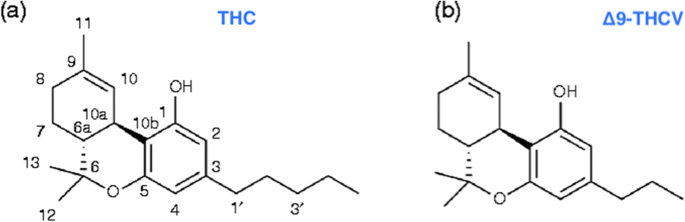 “Δ9-Tetrahydrocannabivarin (THCV) is a cannabis-derived compound with unique properties that set it apart from the more common cannabinoids, such as Δ9-tetrahydrocannabinol (THC). The main advantage of THCV over THC is the lack of psychoactive effects.
  “Introduction:
 “Neoechinulins are diketopiperazine type indole alkaloids that demonstrate radical scavenging, anti-inflammatory, antiviral, anti-neurodegenerative, neurotrophic factor-like, anticancer, pro-apoptotic, and anti-apoptotic properties.
  “Significant growth of interest in cannabis (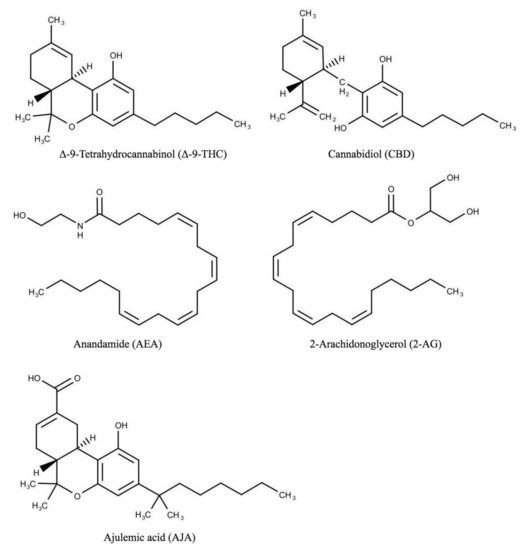
 “In recent decades, a lot of attention has been paid to Cannabis sativa L. due to its useful applications, including in fibers, oil, food for humans and animals, and therapeutics.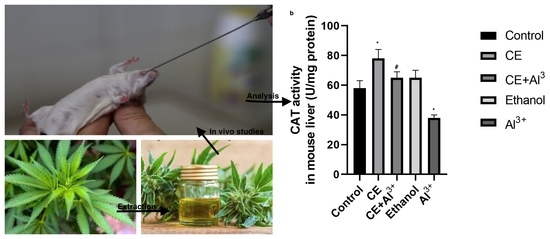
 “Extracellular Vesicles (EVs) were isolated from human umbilical cord mesenchymal stem cells (hUCMSCs) and were further encapsulated with cannabidiol (CBD) through sonication method (CBD EVs). CBD EVs displayed an average particle size of 114.1±1.02 nm, zeta potential of -30.26±0.12 mV, entrapment efficiency of 92.3±2.21% and stability for several months at 4 °C. CBD release from the EVs was observed as 50.74±2.44% and 53.99±1.4% at pH 6.8 and pH 7.4, respectively after 48 h. Ourin-vitrostudies demonstrated that CBD either alone or in EVs form significantly sensitized MDA-MB-231 cells to doxorubicin (DOX) (*P<0.05). Flow cytometry and migration studies revealed that CBD EVs either alone or in combination with DOX induced G1 phase cell cycle arrest and decreased migration of MDA-MB-231 cells, respectively. CBD EVs and DOX combination significantly reduced tumor burden (***P<0.001) in MDA-MB-231 xenograft tumor model. Western blotting and immunocytochemical analysis demonstrated that CBD EVs and DOX combination decreased the expression of proteins involved in inflammation, metastasis and increased the expression of proteins involved in apoptosis. CBD EVs and DOX combination will have profound clinical significance in not only decreasing the side effects but also increasing the therapeutic efficacy of DOX in TNBC.”