
 “Moderate to severe spasticity is commonly reported in Multiple Sclerosis (MS) and its management is still a challenge. Cannabinoids were recently suggested as add-on therapy for the treatment of spasticity and chronic pain in MS but there is no conclusive scientific evidence on their safety, especially on cognition and over long periods.
The aim of this prospective pilot study was to assess the long-term effects of a tetrahydrocannabinol-cannabidiol (THC/CBD) oromucosal spray (Sativex®) on cognition, mood and anxiety.
Results: Twenty per protocol patients were followed up and evaluated at baseline, 6 and 12 months. Domains involving processing speed and auditory verbal memory significantly improved within the first 6 months of therapy (SDMT: p < 0.001; CVLT: p = 0.0001). Mood and anxiety did not show any significant variation. Additionally, the NRS score significantly improved since the beginning (p < 0.0001).
Conclusions: These results are encouraging in supporting possible long-term benefits of Sativex on cognition and a wider role than symptom alleviator. Further studies on larger groups of patients would be necessary in order to test this intriguing possibility.”
https://pubmed.ncbi.nlm.nih.gov/32526487/
“Under Nabiximols some cognitive domains improved after 12 months, and the therapy was safely tolerated.”
https://www.sciencedirect.com/science/article/abs/pii/S0303846720303334?via%3Dihub
 “A randomized double-blind clinical trial evaluating the efficacy of a medicinal cannabis formulation (ZTL-101; Zelira Therapeutics Ltd, Perth, Australia) for treating chronic insomnia showed that the therapy is effective and safe.
 “Alzheimer’s Dementia (AD) is a devastating neurodegenerative disease that affects approximately 17% of people aged 75-84. Neuropsychiatric symptoms (NPS) such as delusions, agitation, anxiety, and hallucinations are present in up to 95% of patients in all stages of dementia. To date, any approved and effective pharmacological interventions for the treatment of NPS are still not available.
 “Four pivotal randomized placebo-controlled trials have demonstrated that adjunctive therapy with cannabidiol (CBD) improves seizure control in patients with Dravet syndrome (DS) and Lennox-Gastaut syndrome (LGS).
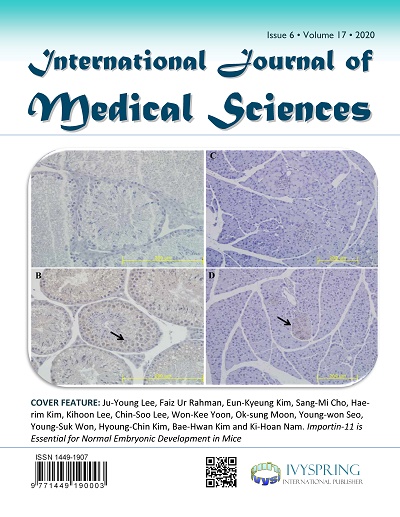 “The inhibitor of DNA binding (Id) proteins are regulators of cell cycle and cell differentiation. Of all Id family proteins, Id1 is mostly linked to tumorigenesis, cellular senescence as well as cell proliferation and survival.
 “The antioxidant and CB2 receptor agonist properties of Δ9-tetrahydrocannabivarin (Δ9-THCV) afforded neuroprotection in experimental Parkinson’s disease (PD), whereas its CB1 receptor antagonist profile at doses lower than 5 mg/kg caused anti-hypokinetic effects.
 “Dravet syndrome is a severe, genetic form of paediatric epilepsy associated with premature mortality and co-morbidities such as anxiety, depression, autism, motor dysfunction and memory deficits.
 “HIV infection leads to blood-brain barrier (BBB) dysfunction that does not resolve despite viral suppression on antiretroviral therapy and is associated with adverse clinical outcomes.