
 “Prostate cancer patients receiving androgen-deprivation therapy (ADT) often experience a combination of disease symptoms and treatment side effects. The therapeutic use of cannabis to alleviate these side effects has not been studied, despite increasing patient interest. With the increasing availability of cannabis, it is important for clinicians to understand the prevalence, predictors, and perceived benefits of cannabis use among patients with prostate cancer.
RESULTS:
Questionnaire data revealed that 23.2% of surveyed men had recently used cannabis. In contrast, 5.8% of men had detectable levels of THC metabolite in their urine. Combined questionnaire and urine data revealed that cannabis users were significantly younger (p=0.003) and had lower testosterone levels (p=0.003) than non-users. The majority of men experiencing common ADT side effects reported some degree of relief following cannabis use.
CONCLUSIONS:
Cannabis use among men with advanced prostate cancer receiving ADT is more prevalent than in the general population and the majority of other oncological cohorts. Lower testosterone levels and reported therapeutic benefit among cannabis users warrants confirmation in appropriate clinical trials.”
 “The role of the endocannabinoid system in stress-related psychiatric symptoms has been investigated in many animal and human studies.
 “The CB1 receptor mediates the central nervous system response to cannabinoids, and is a drug target for pain, anxiety and seizures.
 “Bone cancer pain (BCP) is a severe complication of advanced bone cancer.
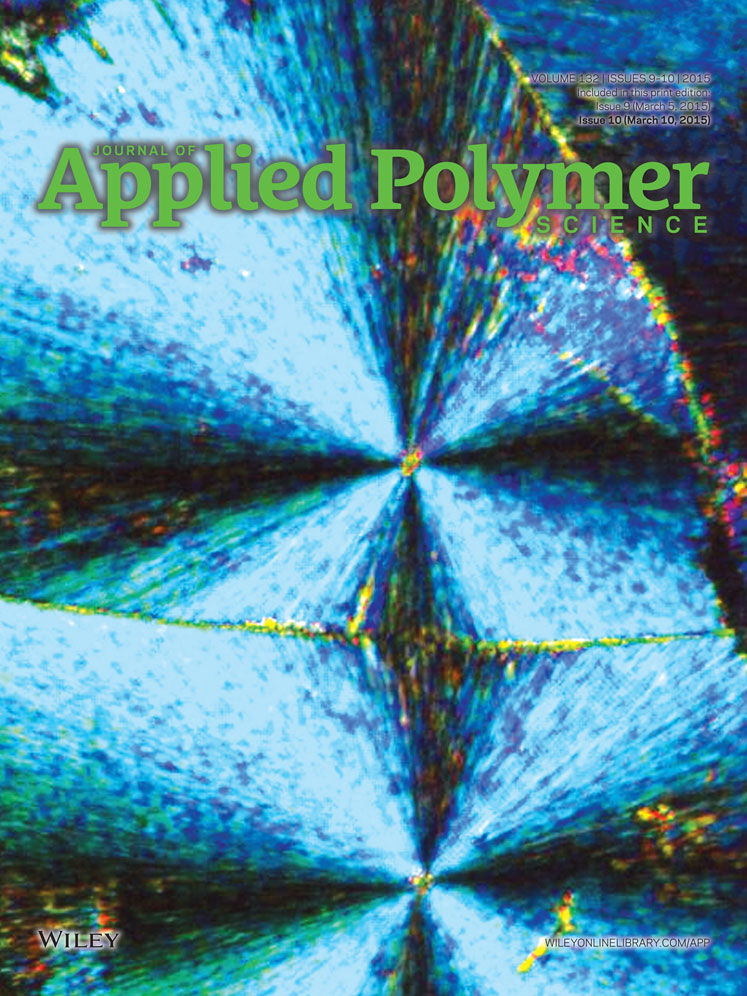 “Hemp (Cannabis sativa L.) is an eco‐friendly and multifunctional plant. Hemp hurd is a by‐product of hemp plant during hemp fiber separation. Although hemp hurd is repeatedly announced owing antibacterial activity, it has never been systematically investigated and reported. In this study, the antibacterial activity of hemp hurd powder against Escherichia coli is investigated. This article reveals antibacterial activity of hemp hurd where hemp hurd powder inhibits the growth of E. coli. Meanwhile, the self‐contamination (forming during retting process) inside hemp hurd has dramatic impact on the antibacterial performance. To achieve better antibacterial activity, hemp hurd was heat treated to eliminate self‐contaminations. The impact of the particle sizes and heat treatment on the antibacterial effectiveness was evaluated.”
 “WIN55,212-2 (WIN) is a synthetic agonist of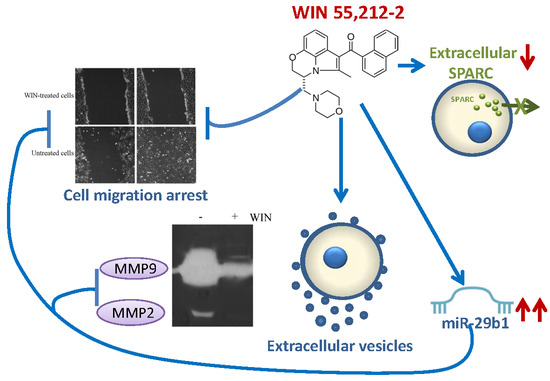
 “Hepatic fibrosis is the consequence of an unresolved wound healing process in response to chronic liver injury and involves multiple cell types and molecular mechanisms. The hepatic endocannabinoid and apelin systems are two signalling pathways with a substantial role in the liver fibrosis pathophysiology-both are upregulated in patients with advanced liver disease. Endogenous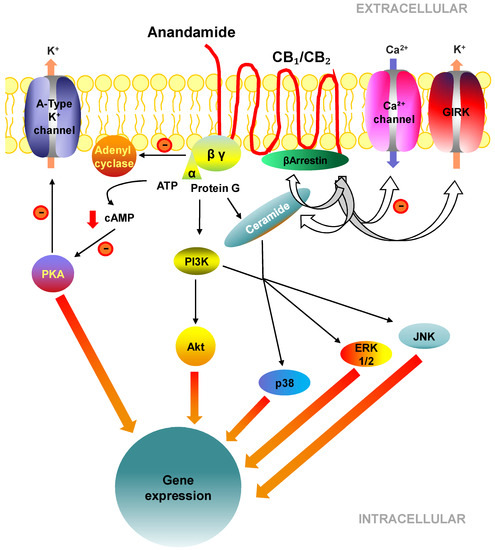
 “The symptomatic treatment of myotonia and myalgia in patients with dystrophic and non-dystrophic myotonias is often not satisfactory.
