Exploration of Multiverse Activities of Endocannabinoids in Biological Systems

ijms-logo

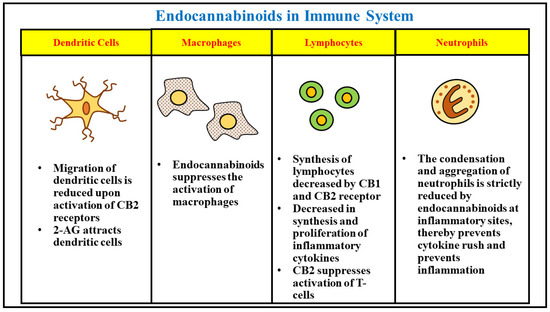
“Over the last 25 years, the human endocannabinoid system (ECS) has come into the limelight as an imperative neuro-modulatory system. It is mainly comprised of endogenous cannabinoid (endocannabinoid), cannabinoid receptors and the associated enzymes accountable for its synthesis and deterioration. The ECS plays a proven role in the management of several neurological, cardiovascular, immunological, and other relevant chronic conditions. Endocannabinoid or endogenous cannabinoid are endogenous lipid molecules which connect with cannabinoid receptors and impose a fashionable impact on the behavior and physiological processes of the individual. Arachidonoyl ethanolamide or Anandamide and 2-arachidonoyl glycerol or 2-AG were the endocannabinoid molecules that were first characterized and discovered. The presence of lipid membranes in the precursor molecules is the characteristic feature of endocannabinoids. The endocannabinoids are released upon rapid enzymatic reactions into the extracellular space via activation through G-protein coupled receptors, which is contradictory to other neurotransmitter that are synthesized beforehand, and stock up into the synaptic vesicles. The current review highlights the functioning, synthesis, and degradation of endocannabinoid, and explains its functioning in biological systems.”

https://pubmed.ncbi.nlm.nih.gov/35628545/

https://www.mdpi.com/1422-0067/23/10/5734

Eye Tracking in Patients with Parkinson’s Disease Treated with Nabilone-Results of a Phase II, Placebo-Controlled, Double-Blind, Parallel-Group Pilot Study

brainsci-logo

“The topic of the therapeutic use of cannabinoids in Parkinson’s disease (PD) is broadly discussed and frequently comes up in the outpatient clinic. So far, there are only a few randomized clinical trials assessing the effects of cannabinoids in PD. We are able to demonstrate a reduction in non-motor symptom (NMS) burden after the administration of nabilone. As impairment of attention and working memory have been described earlier as possible side effects, we assess cognitive performance using saccadic paradigms measured by an eye tracker. We do not observe a significant difference in any of the saccadic paradigms between PD patients on placebo versus those treated with nabilone. We, therefore, conclude that top-down inhibitory control is not affected by the tetrahydrocannabinol analogue. Nabilone did not significantly worsen cognitive performance and appears to be safe to use in selected PD patients who suffer from disabling NMS.”

https://pubmed.ncbi.nlm.nih.gov/35625047/

https://www.mdpi.com/2076-3425/12/5/661

Modulation of Endocannabinoid System Components in Depression: Pre-Clinical and Clinical Evidence

ijms-logo

“Depression is characterized by continuous low mood and loss of interest or pleasure in enjoyable activities. First-line medications for mood disorders mostly target the monoaminergic system; however, many patients do not find relief with these medications, and those who do suffer from negative side effects and a discouragingly low rate of remission.

Studies suggest that the endocannabinoid system (ECS) may be involved in the etiology of depression and that targeting the ECS has the potential to alleviate depression.

ECS components (such as receptors, endocannabinoid ligands, and degrading enzymes) are key neuromodulators in motivation and cognition as well as in the regulation of stress and emotions. Studies in depressed patients and in animal models for depression have reported deficits in ECS components, which is motivating researchers to identify potential diagnostic and therapeutic biomarkers within the ECS. By understanding the effects of cannabinoids on ECS components in depression, we enhance our understanding of which brain targets they hit, what biological processes they alter, and eventually how to use this information to design better therapeutic options.

In this article, we discuss the literature on the effects of cannabinoids on ECS components of specific depression-like behaviors and phenotypes in rodents and then describe the findings in depressed patients. A better understanding of the effects of cannabinoids on ECS components in depression may direct future research efforts to enhance diagnosis and treatment.”

https://pubmed.ncbi.nlm.nih.gov/35628337/

https://www.mdpi.com/1422-0067/23/10/5526

Impact of Δ 9-Tetrahydrocannabinol on Rheumatoid Arthritis Synovial Fibroblasts Alone and in Co-Culture with Peripheral Blood Mononuclear Cells

biomedicines-logo


“δ9-Tetrahydrocannabinol (THC) has demonstrated anti-inflammatory effects in animal models of arthritis, but its mechanism of action and cellular targets are still unclear. The purpose of this study is to elucidate the effects of THC (0.1-25 µM) on synovial fibroblasts from patients with rheumatoid arthritis (RASF) and peripheral blood mononuclear cells (PBMC) from healthy donors in respect to proliferation, calcium mobilization, drug uptake, cytokine and immunoglobulin production. Intracellular calcium and drug uptake were determined by fluorescent dyes Cal-520 and PoPo3, respectively. Cytokine and immunoglobulin production were evaluated by ELISA. Cannabinoid receptors 1 and 2 (CB1 and CB2) were detected by flow cytometry. RASF express CB1 and CB2 and the latter was increased by tumor necrosis factor (TNF). In RASF, THC (≥5 µM) increased intracellular calcium levels/PoPo3 uptake in a TRPA1-dependent manner and reduced interleukin-8 (IL-8) and matrix metalloprotease 3 (MMP-3) production at high concentrations (25 µM). Proliferation was slightly enhanced at intermediate THC concentrations (1-10 µM) but was completely abrogated at 25 µM. In PBMC alone, THC decreased interleukin-10 (IL-10) production and increased immunoglobulin G (IgG). In PBMC/RASF co-culture, THC decreased TNF production when cells were stimulated with interferon-γ (IFN-γ) or CpG. THC provides pro- and anti-inflammatory effects in RASF and PBMC. This is dependent on the activating stimulus and concentration of THC. Therefore, THC might be used to treat inflammation in RA but it might need titrating to determine the effective concentration.”

https://pubmed.ncbi.nlm.nih.gov/35625855/

https://www.mdpi.com/2227-9059/10/5/1118


Evaluation of the efficacy and safety of cannabidiol-rich cannabis extract in children with autism spectrum disorder: randomized, double-blind and controlled placebo clinical trial

“Introduction: Autism Spectrum Disorder is characterized by persistent deficits in social communication, social interaction, and restricted and repetitive patterns of behavior. Some studies have shown that substances derived from Cannabis sativa improve the quality of life of autistic children without causing serious adverse effects, thus providing a therapeutic alternative.

Method: This was a randomized, double-blind, placebo-controlled clinical trial to evaluate the efficacy and safety of a cannabis extract rich in cannabidiol (CBD) in autistic children. Sixty children, aged between 5 and 11 years, were selected and divided into two groups: the treatment group, which received the CBD-rich cannabis extract, and the control group, which received the placebo, both used the product for a period of 12 weeks. Statistical analysis was done by two-factor mixed analysis of variance (ANOVA two way).

Results: Significant results were found for social interaction [F(1,116)=14.13, p=0.0002)], anxiety [F(1,116)=5.99, p=0.016], psychomotor agitation [F(1,116)=9.22, p=0.003)], number of meals a day [F(1,116)=4.11, p=0.04)] and concentration [F (1,48)=6.75, p=0.01], the latter being significant only in mild autism spectrum disorder. Regarding safety, it was found that only three children in the treatment group (9.7%) had adverse effects, namely dizziness, insomnia, colic and weight gain.

Conclusion: CBD-rich cannabis extract was found to improve one of the diagnostic criteria for ASD (social interaction), as well as often co-existing features, and to have few serious adverse effects.”

https://pubmed.ncbi.nlm.nih.gov/35617670/

http://www.trends.periodikos.com.br/article/doi/10.47626/2237-6089-2021-0396


Efficacy of cannabis and its constituents in disease management: Insights from clinical studies

Generic placeholder image

“There is a long history of informal use of Cannabis sativa (commonly called cannabis) for many purposes, including treating various ailments worldwide. However, the legalization of cannabis in multiple countries, specifically for medical purposes, has grabbed the researchers’ attention to discover the scientific evidence of cannabis’s beneficial effects. Among over 500 identified compounds (cannabinoids), Δ9-Tetrahydrocannabinol (THC) and cannabidiol (CBD) are two major active cannabinoids derived from cannabis. Cannabinoids exert their effects through cannabinoid receptors (CB1R and CB2R). In the recent past, clinical trials have shown the efficacy of cannabis and cannabinoids for various human ailments such as cancer, neurological disorders, inflammatory bowel disease, chronic pain, and metabolic disorders. The commonly used constituents and derivatives of cannabis include CBD, THC, THCV, dronabinol, nabilone, and nabiximol. The cannabis constituents have also been used in combination with other agents such as megestrol acetate in some clinical trials. The common routes for the administration of cannabis are oral, sublingual, or topical. Cannabis has also been consumed through smoking, inhalation, or with food and tea. As high as 572 patients and as low as nine patients have participated in a single clinical trial. Cannabis is legalized in some countries with restrictions, such as Belize, Canada, Colombia, Costa Rica, The Czech Republic, Jamaica, Netherlands, South Africa, Spain, and Uruguay. This article provides a compilation of published studies focusing on clinal trials on the therapeutic effects of cannabis. The adverse effects of cannabis and its constituents are also discussed.”

https://pubmed.ncbi.nlm.nih.gov/35619266/

https://www.eurekaselect.com/article/123960

Anti-inflammation and gingival wound healing activities of Cannabis sativa L. subsp. sativa (hemp) extract and cannabidiol: An in vitro study

Archives of Oral Biology

“Objective: To evaluate the anti-inflammatory and gingival wound healing activities of Cannabis sativa L. subsp. sativa (hemp) extract and cannabidiol (CBD).

Design: The cellular bioactivities of hemp extract and CBD were determined the inhibition of TNF-α and IL-1β in LPS-induced murine macrophage (RAW 264.7) cells by using ELISA while wound healing activity in human gingival fibroblast (HGF-1) cells was performed by a scratch test assay. The cytotoxicity was also concerned and evaluated by MTT assay.

Results: The hemp extract and CBD significantly decreased TNF-α release by up to 91.05 ± 2.91% and 50.78 ± 7.21% of LPS activity, respectively, in a dose-dependent manner, compared to 10 µg/mL hydrocortisone (61.67 ± 3.79%). The hemp extract and CBD also significantly decreased IL-1β release, also in dose-dependent response, up to 78.03 ± 3.34% and 85.87 ± 1.11% of LPS activity, respectively, compared to 5 µg/mL hydrocortisone (80.81 ± 3.55%). The mean percentage of closure of the wound area was 27.92 ± 1.21% when exposed to 5 µg/mL hemp extract and 33.49 ± 1.67% when exposed to 0.5 µg/mL CBD, compared to 24.34 ± 2.29% for non-treated control.

Conclusions: Our study demonstrates that both hemp extract and CBD can inhibit TNF-α and IL-1β production in LPS-induced RAW 264.7 cells and promote wound healing in HGF-1 cells. This is the first to show that short-term exposure to hemp extract and CBD promoted gingival fibroblast wound healing, demonstrating that hemp extract and CBD have potential benefits in the treatment of oral inflammation and ulcers.”

https://pubmed.ncbi.nlm.nih.gov/35623115/

https://www.sciencedirect.com/science/article/abs/pii/S0003996922001212?via%3Dihub

ga1

Medical Cannabis Activity Against Inflammation: Active Compounds and Modes of Action

Frontiers in Pharmacology welcomes new Field Chief Editor – Science &  research news | Frontiers

“Inflammation often develops from acute, chronic, or auto-inflammatory disorders that can lead to compromised organ function. Cannabis (Cannabis sativa) has been used to treat inflammation for millennia, but its use in modern medicine is hampered by a lack of scientific knowledge. Previous studies report that cannabis extracts and inflorescence inhibit inflammatory responses in vitro and in pre-clinical and clinical trials. The endocannabinoid system (ECS) is a modulator of immune system activity, and dysregulation of this system is involved in various chronic inflammations. This system includes cannabinoid receptor types 1 and 2 (CB1 and CB2), arachidonic acid-derived endocannabinoids, and enzymes involved in endocannabinoid metabolism. Cannabis produces a large number of phytocannabinoids and numerous other biomolecules such as terpenes and flavonoids. In multiple experimental models, both in vitro and in vivo, several phytocannabinoids, including Δ9-tetrahydrocannabinol (THC), cannabidiol (CBD) and cannabigerol (CBG), exhibit activity against inflammation. These phytocannabinoids may bind to ECS and/or other receptors and ameliorate various inflammatory-related diseases by activating several signaling pathways. Synergy between phytocannabinoids, as well as between phytocannabinoids and terpenes, has been demonstrated. Cannabis activity can be improved by selecting the most active plant ingredients (API) while eliminating parts of the whole extract. Moreover, in the future cannabis components might be combined with pharmaceutical drugs to reduce inflammation.”

https://pubmed.ncbi.nlm.nih.gov/35614947/

“Cannabis compounds, in some cases via the endocannabinoids system, were shown to affect some of the cornerstones of chronic inflammation. However, in light of the large number of active molecules produced by cannabis and their sometimes-synergistic interactions, there is a need to better specify cannabis-based treatments and the active compounds, while utilizing the synergy identified between cannabis phytomolecules. Thus, even if CBD or THC are considered potentially leading molecules, additional cannabis-derived compounds may be selected for improved activity.

Future approaches for improved usage of cannabis demand the development, transformation and formulation of full-spectrum cannabis extracts into active plant ingredients (APIs) to achieve higher effectivity.

Importantly, once the mode of action of phytocannabinoids and that of their combination is known, APIs might be targeted towards specific mechanisms involved with inflammation.

Moreover, it might be that cannabis components can be combined with other pharmaceutical drugs to reduce inflammation. “

https://www.frontiersin.org/articles/10.3389/fphar.2022.908198/full


Medical cannabis use in Canada and its impact on anxiety and depression: A retrospective study

Psychiatry Research

“This was a retrospective study of patients utilizing medical cannabis who received their medical cannabis documentation and allotment from a Harvest Medicine clinic in Canada to determine the impact of medical cannabis on anxiety and depression outcomes. Patients included in the study were at least 18 years of age with completed validated questionnaires for anxiety (GAD-7) and depression (PHQ-9) at their initial evaluation and at least one follow-up visit. There were 7,362 patients included in the sample, of which the average age was 49.8 years, and 53.1% were female.

There were statistically significant improvements between baseline and follow-up scores for both the GAD-7 and PHQ-9, with larger improvements seen for patients who were actively seeking medical cannabis to treat anxiety or depression. From 12 months on, those reporting anxiety had an average decrease in GAD-7 scores that was greater than the minimum clinically important difference of 4, and the same was seen for patients reporting depression from 18 months on, with the average decrease in PHQ-9 scores more than the MCID minimum clinically important difference of 5. This study provides some evidence to support the effectiveness of medical cannabis as a treatment for anxiety and depression.”

https://pubmed.ncbi.nlm.nih.gov/35598566/

https://www.sciencedirect.com/science/article/abs/pii/S0165178122001834?via%3Dihub

Cannabidiol exerts anti-proliferative activity via a cannabinoid receptor 2-dependent mechanism in human colorectal cancer cells

International Immunopharmacology

“Colorectal cancer is the third leading cause of cancer incidence and mortality in the United States. Cannabidiol (CBD), the second most abundant phytocannabinoid in Cannabis sativa, has potential use in cancer treatment on the basis of many studies showing its anti-cancer activity in diverse types of cancer, including colon cancer. However, its mechanism of action is not yet fully understood.

In the current study, we observed CBD to repress viability of different human colorectal cancer cells in a dose-dependent manner. CBD treatment led to G1-phase cell cycle arrest and an increased sub-G1 population (apoptotic cells); it also downregulated protein expression of cyclin D1, cyclin D3, cyclin-dependent kinase 2 (CDK2), CDK4, and CDK6. CBD further increased caspase 3/7 activity and cleaved poly(ADP-ribose) polymerase, and elevated expression of endoplasmic reticulum (ER) stress proteins including binding immunoglobulin protein (BiP), inositol-requiring enzyme 1α (IRE1α), phosphorylated eukaryotic initiation factor 2α (eIF2α), activating transcription factor 3 (ATF3), and ATF4.

We found that CBD repressed cell viability and induced apoptotic cell death through a mechanism dependent on cannabinoid receptor type 2 (CB2), but not on CB1, transient receptor potential vanilloid, or peroxisome proliferator-activated receptor gamma. Anti-proliferative activity was also observed for other non-psychoactive cannabinoid derivatives including cannabidivarin (CBDV), cannabigerol (CBG), cannabicyclol (CBL), and cannabigerovarin (CBGV). Our data indicate that CBD and its derivatives could be promising agents for the prevention of human colorectal cancer.”

https://pubmed.ncbi.nlm.nih.gov/35598400/

“CBD represses viability of human colorectal cancer cells.•

CBD induces cell cycle arrest and increases apoptosis and ER stress in human colorectal cancer cells.•

CBD represses cell viability and induces apoptotic cell death via a CB2-dependent mechanism.”

https://www.sciencedirect.com/science/article/pii/S1567576922003496?via%3Dihub