 “The aberrant accumulation of disease-specific protein aggregates accompanying cognitive decline is a pathological hallmark of age-associated neurological disorders, also termed as proteinopathies, including Alzheimer’s disease, Parkinson’s disease, Huntington’s disease, amyotrophic lateral sclerosis and multiple sclerosis.
Along with oxidative stress and neuroinflammation, disruption in protein homeostasis (proteostasis), a network that constitutes protein surveillance system, plays a pivotal role in the pathobiology of these dementia disorders.
Cannabidiol, a non-psychotropic phytocannabinoid of Cannabis sativa, is known for its pleiotropic neuropharmacological effects on the central nervous system, including the ability to abate oxidative stress, neuroinflammation, and protein misfolding. Over the past years, compelling evidence has documented disease-modifying role of cannabidiol in various preclinical and clinical models of neurological disorders, suggesting the potential therapeutic implications of cannabidiol in these disorders.
Because of its putative role in the proteostasis network in particular, cannabidiol could be a potent modulator for reversing not only age-associated neurodegeneration but also other protein misfolding disorders. However, the current understanding is insufficient to underpin this proposition. In this review, we discuss the potentiality of cannabidiol as a pharmacological modulator of the proteostasis network, highlighting its neuroprotective and aggregates clearing roles in the neurodegenerative disorders.
We anticipate that the current effort will advance our knowledge on the implication of CBD in proteostasis network, opening up a new therapeutic window for ageing proteinopathies.”
https://pubmed.ncbi.nlm.nih.gov/33181336/
“Cannabidiol reduces oxidative stress and neuroinflammation of brain.”
https://www.sciencedirect.com/science/article/pii/S1568163720303445?via%3Dihub

 “The increasing legalization of Cannabis for recreational and medicinal purposes in the United States has spurred renewed interest in the therapeutic potential of cannabinoids (CBs) for human disease.
 “The ability of hemp (Cannabis sativa L.) inflorescence extract to counteract lipid oxidation was studied in stripped linseed oil.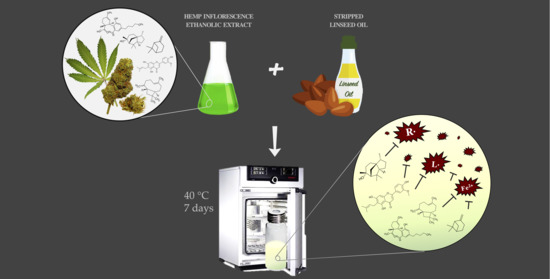
 “Cannabis has been used as a medicine for millennia. Prohibition in the mid-20th century precluded early scientific investigation.
 “A large number of cannabinoids have been discovered that could play a role in mitigating cardiac affections. However, none of them has been as widely studied as cannabidiol (CBD), most likely because, individually, the others offer only partial effects or can activate potential harmful pathways.
 “Medical cannabis and individual cannabinoids, such as tetrahydrocannabinol (THC) and cannabidiol (CBD), are receiving growing attention in both the media and the scientific literature. The Cannabis plant, however, produces over 100 different cannabinoids, and cannabigerol (CBG) serves as the precursor molecule for the most abundant phytocannabinoids.
 “The endocannabinoid (eCB) system encompasses the eCBs anandamide and 2-arachidonoylglycerol, their anabolic/catabolic enzymes, and the cannabinoid CB1 and CB2 receptors. Its expansion to include several eCB-like lipid mediators, their metabolic enzymes, and their molecular targets, forms the endocannabinoidome (eCBome).
 “Recently, cannabinoids, such as cannabidiol (CBD) and Δ9 -tetrahydrocannabinol (THC), have been the subject of intensive research and heavy scrutiny. Cannabinoids encompass a wide array of organic molecules, including those that are physiologically produced in humans, synthesized in laboratories, and extracted primarily from the Cannabis sativa plant. These organic molecules share similarities in their chemical structures as well as in their protein binding profiles. However, pronounced differences do exist in their mechanisms of action and clinical applications, which will be briefly compared and contrasted in this review. The mechanism of action of CBD and its potential applications in cancer therapy will be the major focus of this review article.”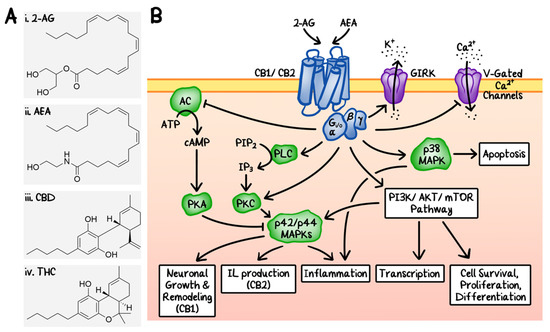
 “Cannabidiol (CBD) is a non-psychoactive phytocannabinoid known for its beneficial effects including antioxidant and anti-inflammatory properties. Moreover, CBD is a compound with antidepressant, anxiolytic, anticonvulsant and antipsychotic effects. Thanks to all these properties, the interest of the scientific community for it has grown.