Effects of cannabinoid administration for pain: A meta-analysis and meta-regression.

APA's header logo

“Chronic pain states have resulted in an overreliance on opioid pain relievers, which can carry significant risks when used long term. As such, alternative pain treatments are increasingly desired.

Although emerging research suggests that cannabinoids have therapeutic potential regarding pain, results from studies across pain populations have been inconsistent. To provide meta-analytic clarification regarding cannabis’s impact on subjective pain, we identified studies that assessed drug-induced pain modulations under cannabinoid and corresponding placebo conditions.

Results revealed that cannabinoid administration produced a medium-to-large effect across included studies, Cohen’s d = -0.58, 95% confidence interval (CI) [-0.74, -0.43], while placebo administration produced a small-to-medium effect, Cohen’s d = -0.39, 95% CI [-0.52, -0.26]. Meta-regression revealed that cannabinoids, β = -0.43, 95% CI [-0.62, -0.24], p < .05, synthetic cannabinoids, β = -0.39, 95% CI [-0.65, -0.14], p < .05, and sample size, β = 0.01, 95% CI [0.00, 0.01], p < .05, were associated with marked pain reduction.

These outcomes suggest that cannabinoid-based pharmacotherapies may serve as effective replacement/adjunctive options regarding pain, however, additional research is warranted.”

https://www.ncbi.nlm.nih.gov/pubmed/31120281

https://psycnet.apa.org/doiLanding?doi=10.1037%2Fpha0000281

The use of cannabinoids for sleep: A critical review on clinical trials.

APA's header logo

“Cannabis and its pharmacologically active constituents, phytocannabinoids, have long been reported to have multiple medicinal benefits.

One association often reported by users is sedation and subjective improvements in sleep.

Many of the reviewed studies suggested that cannabinoids could improve sleep quality, decrease sleep disturbances, and decrease sleep onset latency.”

https://www.ncbi.nlm.nih.gov/pubmed/31120284

https://psycnet.apa.org/doiLanding?doi=10.1037/pha0000285

Therapeutic prospects of cannabidiol for alcohol use disorder and alcohol-related damages on the liver and the brain

 Image result for frontiers in pharmacology“Cannabidiol (CBD) is a natural compound of cannabis, which exerts complex and widespread immunomodulatory, antioxidant, anxiolytic, and antiepileptic properties. Many experimental data suggest that CBD could have several types of application in alcohol use disorder (AUD) and alcohol-related damage on the brain and the liver.

Experimental studies converge to find that CBD reduces the overall level of alcohol drinking in animal models of AUD by reducing ethanol intake, motivation for ethanol, relapse, and by decreasing anxiety and impulsivity. Moreover, CBD has been shown to reduce alcohol-related steatosis and fibrosis in the liver by reducing lipid accumulation, stimulating autophagy, modulating inflammation, reducing oxidative stress, and inducing death of activated hepatic stellate cells. Last, CBD has been found to reduce alcohol-related brain damage, preventing neuronal loss by its antioxidant and immunomodulatory properties.

CBD could directly reduce alcohol drinking in subjects with AUD. But other original applications warrant human trials in this population. By reducing alcohol-related processes of steatosis in the liver, and brain alcohol-related damage, CBD could improve both the hepatic and neurocognitive outcomes of subjects with AUD, regardless of the individual drinking trajectories. This might pave the way for testing new harm reduction approaches in AUD, i.e., for protecting the organs of subjects with an ongoing AUD.”

https://www.frontiersin.org/articles/10.3389/fphar.2019.00627/abstract

Targeting Peripheral CB1 Receptors Reduces Ethanol Intake via a Gut-Brain Axis.

Cell Metabolism

“Endocannabinoids acting on the cannabinoid-1 receptor (CB1R) or ghrelin acting on its receptor (GHS-R1A) both promote alcohol-seeking behavior, but an interaction between the two signaling systems has not been explored. Here, we report that the peripheral CB1R inverse agonist JD5037 reduces ethanol drinking in wild-type mice but not in mice lacking CB1R, ghrelin peptide or GHS-R1A. JD5037 treatment of alcohol-drinking mice inhibits the formation of biologically active octanoyl-ghrelin without affecting its inactive precursor desacyl-ghrelin. In ghrelin-producing stomach cells, JD5037 reduced the level of the substrate octanoyl-carnitine generated from palmitoyl-carnitine by increasing fatty acid β-oxidation. Blocking gastric vagal afferents abrogated the ability of either CB1R or GHS-R1A blockade to reduce ethanol drinking. We conclude that blocking CB1R in ghrelin-producing cells reduces alcohol drinking by inhibiting the formation of active ghrelin and its signaling via gastric vagal afferents. Thus, peripheral CB1R blockade may have therapeutic potential in the treatment of alcoholism.”

https://www.ncbi.nlm.nih.gov/pubmed/31105045

https://www.sciencedirect.com/science/article/pii/S1550413119301962?via%3Dihub

Cannabidiol for the Reduction of Cue-Induced Craving and Anxiety in Drug-Abstinent Individuals With Heroin Use Disorder: A Double-Blind Randomized Placebo-Controlled Trial

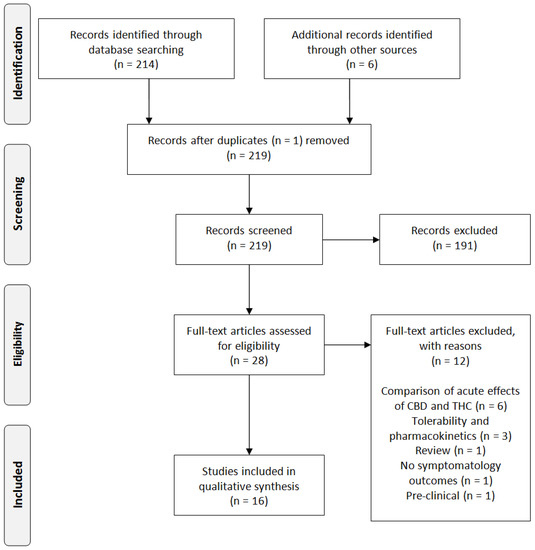
Image result for american journal of psychiatry“Despite the staggering consequences of the opioid epidemic, limited nonopioid medication options have been developed to treat this medical and public health crisis.

This study investigated the potential of cannabidiol (CBD), a nonintoxicating phytocannabinoid, to reduce cue-induced craving and anxiety, two critical features of addiction that often contribute to relapse and continued drug use, in drug-abstinent individuals with heroin use disorder.

Acute CBD administration, in contrast to placebo, significantly reduced both craving and anxiety induced by the presentation of salient drug cues compared with neutral cues. CBD also showed significant protracted effects on these measures 7 days after the final short-term (3-day) CBD exposure. In addition, CBD reduced the drug cue–induced physiological measures of heart rate and salivary cortisol levels. There were no significant effects on cognition, and there were no serious adverse effects.

 Conclusions:

CBD’s potential to reduce cue-induced craving and anxiety provides a strong basis for further investigation of this phytocannabinoid as a treatment option for opioid use disorder.”

https://ajp.psychiatryonline.org/doi/10.1176/appi.ajp.2019.18101191

“Study finds CBD effective in treating heroin addiction”  https://www.cnn.com/2019/05/21/health/heroin-opioid-addiction-cbd-study/index.html

“CBD oil may help limit cravings and anxiety in heroin users, study finds”  https://www.nbcnews.com/health/health-news/cbd-oil-may-help-limit-cravings-anxiety-heroin-users-study-n1007856

“Cannabis Compound Eases Anxiety and Cravings of Heroin Addiction”  https://www.scientificamerican.com/article/cannabis-compound-eases-anxiety-and-cravings-of-heroin-addiction/?redirect=1

Effect of cannabidiol on muscarinic neurotransmission in the pre-frontal cortex and hippocampus of the poly I:C rat model of schizophrenia.

Progress in Neuro-Psychopharmacology and Biological Psychiatry

“Cognitive impairment is a core symptom of schizophrenia; however, current antipsychotic drugs have limited efficacy to treat these symptoms and can cause serious side-effects, highlighting a need for novel therapeutics.

Cannabidiol (CBD) is a non-intoxicating phytocannabinoid that has demonstrated pro-cognitive effects in multiple disease states, including a maternal immune activation (poly I:C) model of schizophrenia, but the mechanisms underlying the efficacy of CBD require investigation.

We examined alterations in markers of muscarinic neurotransmission in the pre-frontal cortex (PFC) and hippocampus (HPC) following CBD treatment.

These findings demonstrate that CBD can normalise muscarinic neurotransmission imbalances in male poly I:C offspring in regions of the brain implicated in cognition.”

https://www.ncbi.nlm.nih.gov/pubmed/31108177

https://www.sciencedirect.com/science/article/pii/S0278584618308121?via%3Dihub

Cannabis use as a risk factor for causing motor vehicle crashes: a prospective study.

Publication cover image

“We conducted a responsibility analysis to determine whether drivers injured in motor vehicle collisions who test positive for Δ-9-tetrahydrocannabinol (THC) or other drugs are more likely to have contributed to the crash than those who test negative.

There was no increased risk of crash responsibility in drivers with THC<2ng/mL or 2≤THC<5ng/mL.

In this sample of non-fatally injured motor vehicle drivers in British Columbia, Canada, there was no evidence of increased crash risk in drivers with THC<5ng/mL and a statistically non-significant increased risk of crash responsibility (OR=1.74) in drivers with THC≥5ng/mL.”

https://www.ncbi.nlm.nih.gov/pubmed/31106494

https://onlinelibrary.wiley.com/doi/abs/10.1111/add.14663

Supplementation of Cannabis sativa L. leaf powder accelerates functional recovery and ameliorates haemoglobin level following an induced injury to sciatic nerve in mouse model.

Image result for Pak J Pharm Sci.

“Peripheral nerve injury is a common condition with a multitude of signs and symptoms. The major consequence of injury is limited physical activity. Presently, we are lacking effective therapies for PNI and it is need of the hour is to explore potential remedies for the recovery of functional loss.

Here, we have investigated the role of crude Cannabis sativa L. leaf powder in promoting functions recovery, in mouse model subjected to a traumatic sciatic nerve injury.

A dose of 200mg/kg of the body weight per day was administered orally from the day of nerve crush till the end of the experiment. The motor functions were evaluated by measuring sciatic functional index, muscle grip strength and muscle mass; whereas the sensory functions were assessed by hotplate test. The haematology and serum analyses were carried out to estimate the effect of treatment on the systemic index and oxidative stress.

The gain of motor functions was significantly improved and was early noticed in the treated mice. Restoration of muscle mass and elevated haemoglobin level were statistically significant in the treatment group.

This study indicates that Cannabis sativa L. supplementation accelerates the motor functions recovery after nerve compression injury.”

https://www.ncbi.nlm.nih.gov/pubmed/31103973

Role of the endocannabinoid and endovanilloid systems in an animal model of schizophrenia-related emotional processing/cognitive deficit.

Neuropharmacology

“Studies suggest that the endocannabinoid and endovanilloid systems are implicated in the pathophysiology of schizophrenia.

The Spontaneously Hypertensive Rats (SHR) strain displays impaired contextual fear conditioning (CFC) attenuated by antipsychotic drugs and worsened by pro-psychotic manipulations. Therefore, SHR strain is used to study emotional processing/associative learning impairments associated with schizophrenia and effects of potential antipsychotic drugs.

Here, we evaluated the expression of CB1 and TRPV1 receptors in some brain regions related to the pathophysiology of schizophrenia. We also assessed the effects of drugs that act on the endocannabinoid/endovanilloid systems on the CFC task in SHRs and control animals (Wistar rats – WRs).

These results reinforce the involvement of the endocannabinoid/endovanilloid systems in the SHRs CFC deficit and point to these systems as targets to treat the emotional processing/cognitive symptoms of schizophrenia.”

https://www.ncbi.nlm.nih.gov/pubmed/31103618

https://www.sciencedirect.com/science/article/pii/S0028390819301649?via%3Dihub

Efficacy of Cannabinoids in a Pre-Clinical Drug-Screening Platform for Alzheimer’s Disease.

“Finding a therapy for Alzheimer’s disease (AD) is perhaps the greatest challenge for modern medicine. The chemical scaffolds of many drugs in the clinic today are based upon natural products from plants, yet Cannabis has not been extensively examined as a source of potential AD drug candidates.

Here, we determine if a number of non-psychoactive cannabinoids are neuroprotective in a novel pre-clinical AD and neurodegeneration drug-screening platform that is based upon toxicities associated with the aging brain.

This drug discovery paradigm has yielded several compounds in or approaching clinical trials for AD. Eleven cannabinoids were assayed for neuroprotection in assays that recapitulate proteotoxicity, loss of trophic support, oxidative stress, energy loss, and inflammation. These compounds were also assayed for their ability to remove intraneuronal amyloid and subjected to a structure-activity relationship analysis. Pairwise combinations were assayed for their ability to synergize to produce neuroprotective effects that were greater than additive.

Nine of the 11 cannabinoids have the ability to protect cells in four distinct phenotypic neurodegeneration screening assays, including those using neurons that lack CB1 and CB2 receptors. They are able to remove intraneuronal Aβ, reduce oxidative damage, and protect from the loss of energy or trophic support. Structure-activity relationship (SAR) data show that functional antioxidant groups such as aromatic hydroxyls are necessary but not sufficient for neuroprotection. Therefore, there is a need to focus upon CB1 agonists that have these functionalities if neuroprotection is the goal.

Pairwise combinations of THC and CBN lead to a synergistic neuroprotective interaction.

Together, these results significantly extend the published data by showing that non-psychoactive cannabinoids are potential lead drug candidates for AD and other neurodegenerative diseases.”

https://www.ncbi.nlm.nih.gov/pubmed/31104297

https://link.springer.com/article/10.1007%2Fs12035-019-1637-8