
 “Importance: Frontline health care professionals who work with patients with COVID-19 have an increased incidence of burnout symptoms. Cannabidiol (CBD) has anxiolytic and antidepressant properties and may be capable of reducing emotional exhaustion and burnout symptoms.
Objective: To investigate the safety and efficacy of CBD therapy for the reduction of emotional exhaustion and burnout symptoms among frontline health care professionals working with patients with COVID-19.
Interventions: Cannabidiol, 300 mg (150 mg twice per day), plus standard care or standard care alone for 28 days.
Main outcomes and measures: The primary outcome was emotional exhaustion and burnout symptoms, which were assessed for 28 days using the emotional exhaustion subscale of the Brazilian version of the Maslach Burnout Inventory-Human Services Survey for Medical Personnel.
Results: A total of 120 participants were randomized to receive either CBD, 300 mg, plus standard care (treatment arm; n = 61) or standard care alone (control arm; n = 59) for 28 days. Of those, 118 participants (59 participants in each arm; 79 women [66.9%]; mean age, 33.6 years [95% CI, 32.3-34.9 years]) received the intervention and were included in the efficacy analysis. In the treatment arm, scores on the emotional exhaustion subscale of the Maslach Burnout Inventory significantly decreased at day 14 (mean difference, 4.14 points; 95% CI, 1.47-6.80 points; partial eta squared [ηp2] = 0.08), day 21 (mean difference, 4.34 points; 95% CI, 0.94-7.73 points; ηp2 = 0.05), and day 28 (mean difference, 4.01 points; 95% CI, 0.43-7.59 points; ηp2 = 0.04). However, 5 participants, all of whom were in the treatment group, experienced serious adverse events: 4 cases of elevated liver enzymes (1 critical and 3 mild, with the mild elevations reported at the final 28-day assessment) and 1 case of severe pharmacodermia. In 2 of those cases (1 with critical elevation of liver enzymes and 1 with severe pharmacodermia), CBD therapy was discontinued, and the participants had a full recovery.
Conclusions and relevance: In this study, CBD therapy reduced symptoms of burnout and emotional exhaustion among health care professionals working with patients during the COVID-19 pandemic. However, it is necessary to balance the benefits of CBD therapy with potential undesired or adverse effects. Future double-blind placebo-controlled clinical trials are needed to confirm the present findings.”
https://pubmed.ncbi.nlm.nih.gov/34387679/
“Daily administration of CBD, 300 mg, combined with standard care reduced the symptoms and diagnoses of anxiety, depression, and emotional exhaustion among frontline health care professionals working with patients with COVID-19. Cannabidiol may act as an effective agent for the reduction of burnout symptoms among a population with important mental health needs worldwide.”
https://jamanetwork.com/journals/jamanetworkopen/fullarticle/2782994


 “The potential therapeutic use of some Cannabis sativa plant compounds has been attracting great interest, especially for managing neuropsychiatric disorders due to the relative lack of efficacy of the current treatments.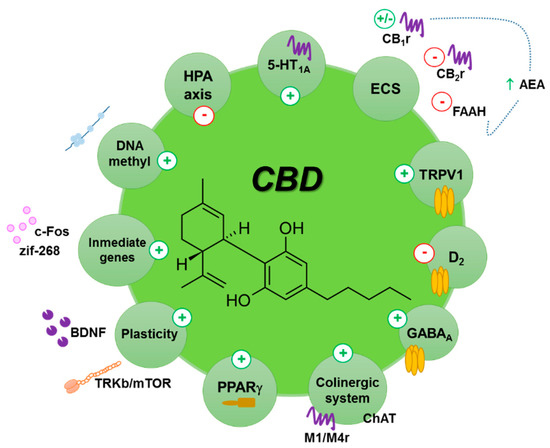
 “Anxiety disorders in young people are frequently comorbid with other mental disorders and respond unsatisfactorily to first-line treatment in many cases.
 “Background/objectives: Use of cannabis is increasing in a variety of populations in the United States; however, few investigations about how and for what reasons cannabis is used in older populations exist.
 “Scientific research on how consumption of whole, natural Cannabis flower affects low mood and behavioral motivations more generally is largely nonexistent, and few studies to date have measured how common and commercially available Cannabis flower used in vivo may affect the experience of “depression” in real-time.
 “The worldwide prevalence of neurological and neurodegenerative disorders, such as depression or Alzheimer’s disease, has spread extensively throughout the last decades, becoming an enormous health issue.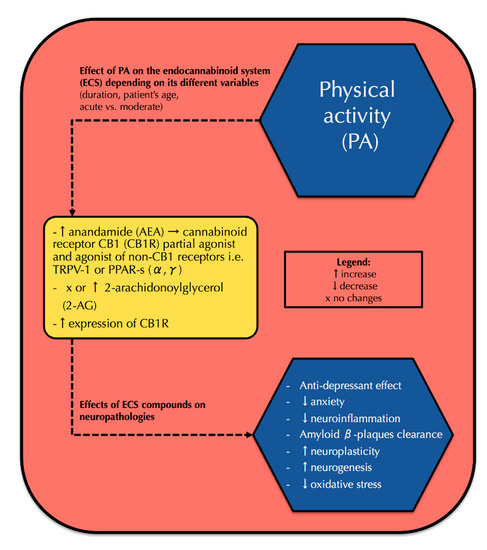
 “The prevalence rates of depression and anxiety are at least two times higher in diabetic patients, increasing morbidity and mortality.