
 “Depression is a well-recognised effect of long-term treatment with interferon-alpha (IFN-α), a widely used treatment for chronic viral hepatitis and malignancy. In addition to the emotional disturbances, high incidences of painful symptoms such as headache and joint pain have also been reported following IFN-α treatment.
The endocannabinoid system plays an important role in emotional and nociceptive processing, however it is unknown whether repeated IFN-α administration induces alterations in this system.
The present study investigated nociceptive responding in the IFN-α-induced mouse model of depression and associated changes in the endocannabinoid system. Furthermore, the effects of modulating peripheral endocannabinoid tone on inflammatory pain-related behaviour in the IFN-α model was examined.
In summary, increasing peripheral endocannabinoid tone attenuates inflammatory hyperalgesia induced following repeated IFN-α administration. These data provide support for the endocannabinoid system in mediating and modulating heightened pain responding associated with IFNα-induced depression.”
https://www.ncbi.nlm.nih.gov/pubmed/31505257
“Inflammatory hyperalgesia is associated with altered endocannabinoid levels. Enhancing peripheral endocannabinoid tone attenuates IFN-α related hyperalgesia.”
https://www.sciencedirect.com/science/article/pii/S0889159119306063?via%3Dihub
 “Mood disorders are the most prevalent mental conditions encountered in psychiatric practice. Numerous patients suffering from mood disorders present with treatment-resistant forms of depression, co-morbid anxiety, other psychiatric disorders and bipolar disorders.

 “Chronic allograft dysfunction (CAD), defined as the replacement of functional renal tissue by extracellular matrix proteins, remains the first cause of graft loss.
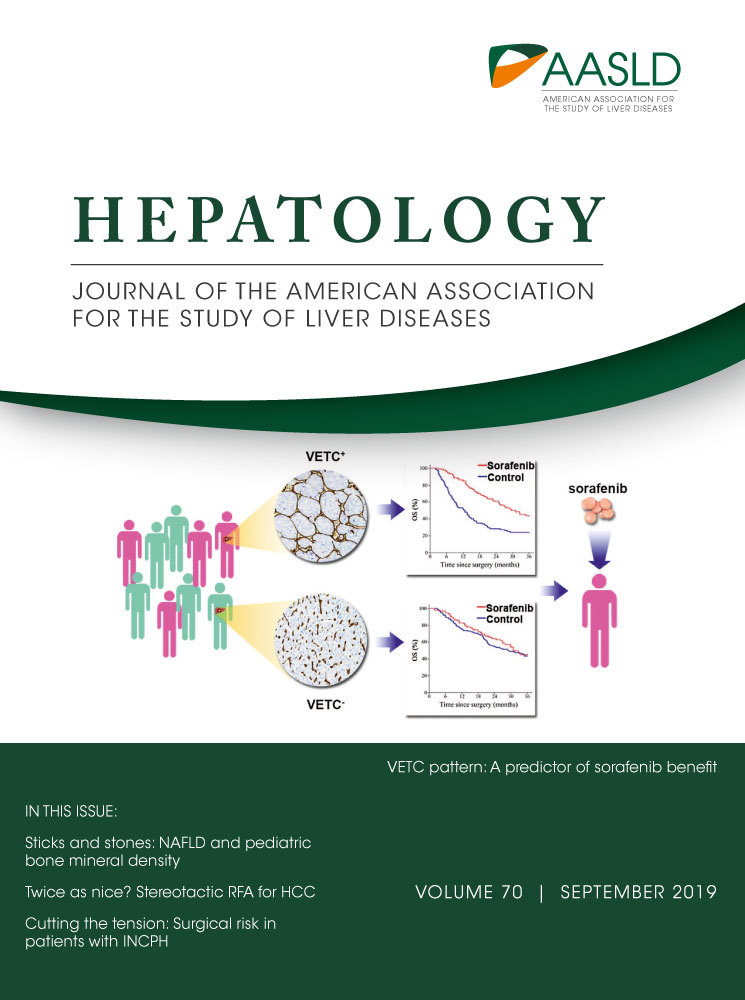 “Hepatic cardiomyopathy, a special type of heart failure develops in up to 50% of patients with cirrhosis and is a major determinant of survival. However, there is no reliable model of hepatic cardiomyopathy in mice. Herein we aimed to characterize the detailed hemodynamics of mice with bile-duct ligation (BDL)-induced liver fibrosis, by monitoring echocardiography and intracardiac pressure-volume (PV) relationships and myocardial structural alterations. Treatment of mice with a selective
  “Both types of
  “Medical and recreational cannabis use is increasing significantly, but its impacts on oral health remains unclear.
 “The biological effects of endocannabinoid system are mediated by two types of receptors,
  “Despite the growing knowledge on the functional relationship between an altered endocannabinoid (eCB) system and development of anorexia nervosa (AN), to date no studies have investigated the central eCB tone in the activity-based anorexia (ABA) model that reproduces key aspects of human AN.