 “Highly purified cannabidiol (CBD) has demonstrated efficacy with an acceptable safety profile in patients with Lennox-Gastaut syndrome or Dravet syndrome in randomized, double-blind, add-on, controlled phase 3 trials.
It is important to consider the possibility of drug-drug interactions (DDIs). Here, we review six trials of CBD (Epidiolex/Epidyolex; 100 mg/mL oral solution) in healthy volunteers or patients with epilepsy, which investigated potential interactions between CBD and enzymes involved in drug metabolism of common antiseizure drugs (ASDs).
CBD did not affect CYP3A4 activity. Induction of CYP3A4 and CYP2C19 led to small reductions in exposure to CBD and its major metabolites. Inhibition of CYP3A4 activity did not affect CBD exposure and caused small increases in exposure to CBD metabolites. Inhibition of CYP2C19 activity led to a small increase in exposure to CBD and small decreases in exposure to CBD metabolites.
One potentially clinically important DDI was identified: combination of CBD and clobazam (CLB) did not affect CBD or CLB exposure, but increased exposure to major metabolites of both compounds. Reduction of CLB dose may be considered if adverse reactions known to occur with CLB are experienced when it is coadministered with CBD.
There was a small increase of exposure to stiripentol (STP) when coadministered with CBD. STP had no effect on CBD exposure but led to minor decreases in exposure to CBD metabolites. Combination of CBD and valproate (VPA) did not cause clinically important changes in the pharmacokinetics of either drug, or 2-propyl-4-pentenoic acid. Concomitant VPA caused small increases in exposure to CBD metabolites. Dose adjustments are not likely to be necessary when CBD is combined with STP or VPA.
The safety results from these trials were consistent with the known safety profile of CBD. These trials indicate an overall low potential for DDIs between CBD and other ASDs, except for CLB.”
https://pubmed.ncbi.nlm.nih.gov/32918835/
https://onlinelibrary.wiley.com/doi/full/10.1111/epi.16674

 “As the major nonpsychotropic constituent of Cannabis sativa, cannabidiol (CBD) is regarded as one of the most promising therapeutic agents due to its proven effectiveness in clinical trials for many human diseases. Due to the urgent need for more efficient pharmacological treatments for several chronic diseases, in this review, we discuss the potential beneficial effects of CBD for Alzheimer’s disease, epilepsy, multiple sclerosis, and neurological cancers. Due to its wide range of pharmacological activities (e.g., antioxidant, anti-inflammatory, and neuroprotective properties), CBD is considered a multimodal drug for the treatment of a range of neurodegenerative disorders, and various cancer types, including neoplasms of the neural system. The different mechanisms of action of CBD are here disclosed, together with recent progress in the use of this cannabis-derived constituent as a new therapeutic approach.”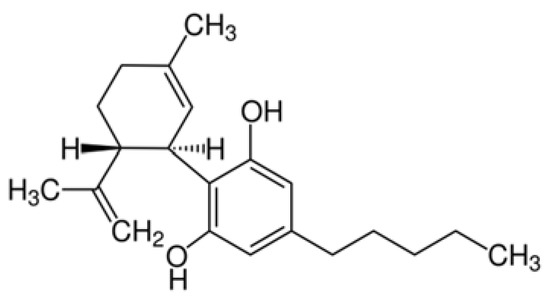
 “Cannabidiol (CBD) is a non-psychoactive phytocannabinoid known for its beneficial effects including antioxidant and anti-inflammatory properties. Moreover, CBD is a compound with antidepressant, anxiolytic, anticonvulsant and antipsychotic effects. Thanks to all these properties, the interest of the scientific community for it has grown.
 “Cannabinoids have been found to be effective in controlling seizures and the highly purified form of cannabinoid derived for Cannabis sativa . Cannabidiol (CBD) is now approved for Lennox-Gastaut syndrome (LGS) and Dravet syndrome. CBD was used in a 9-year-old boy with LGS (unknown etiology) with very good results. The electroencephalography (EEG) response was very dramatic with near normalization of EEG background and complete control of seizures. The effect of CBD on EEG with such an improvement has not been described previously. Also, this adds to evidence that early intervention in LGS with CBD might be more helpful and improve outcomes.”
 “Voltage-gated sodium channels are targets for a range of pharmaceutical drugs developed for treatment of neurological diseases.
 “Epilepsy is a chronic neurological disease characterized by recurrent epileptic seizures. Studies have shown the complexity of epileptogenesis and ictogenesis, in which immunological processes and epigenetic and structural changes in neuronal tissues have been identified as triggering epilepsy.
 “Pharmaceutically purified oral cannabidiol (CBD) has been recently approved by the US Food and Drug Administration and European Medicines Agency as treatment of seizures associated with Dravet syndrome (DS) and Lennox-Gastaut syndrome (LGS), which are severe and difficult-to-treat developmental and epileptic encephalopathies with onset in early childhood.
 “In recent years there has been a growing appreciation by regulatory authorities that cannabis-based medicines can play a useful role in disease therapy.
 “Mutations in SYNGAP1 are associated with developmental delay, epilepsy, and autism spectrum disorder (ASD). Epilepsy is often drug-resistant in this syndrome with frequent drop attacks.
 “Epilepsy contributes to approximately 1% of the global disease burden. By affecting especially young children as well as older persons of all social and racial variety, epilepsy is a present disorder worldwide. Currently, only 65% of epileptic patients can be successfully treated with antiepileptic drugs. For this reason, alternative medicine receives more attention.