
 “Cannabis sativa produces a complex mixture of many bioactive molecules including terpenophenolic compounds known as phytocannabinoids. Phytocannabinoids come in neutral forms (e.g., Δ9-tetrahydrocannabinol, THC; cannabidiol, CBD; etc.) or as acid precursors, which are dominant in the plant (e.g., Δ9-tetrahydrocannabinolic acid, THCA; cannabidiolic acid, CBDA; etc.).
There is increasing interest in unlocking the therapeutic applications of the phytocannabinoid acids; however, the present understanding of the basic pharmacology of phytocannabinoid acids is limited. Herein the brain and plasma pharmacokinetic profiles of CBDA, THCA, cannabichromenic acid (CBCA), cannabidivarinic acid (CBDVA), cannabigerolic acid (CBGA), and cannabigerovarinic acid (CBGVA) were examined following intraperitoneal administration in mice.
Next it was examined whether CBDA was anticonvulsant in a mouse model of Dravet syndrome (Scn1aRX/+ mice). All the phytocannabinoid acids investigated were rapidly absorbed with plasma tmax values of between 15 and 45 min and had relatively short half-lives (<4 h). The brain-plasma ratios for the acids were very low at ≤0.04. However, when CBDA was administered in an alternate Tween 80-based vehicle, it exhibited a brain-plasma ratio of 1.9. The anticonvulsant potential of CBDA was examined using this vehicle, and it was found that CBDA significantly increased the temperature threshold at which the Scn1aRX/+ mice had a generalized tonic-clonic seizure.”
https://www.ncbi.nlm.nih.gov/pubmed/31686510
https://pubs.acs.org/doi/abs/10.1021/acs.jnatprod.9b00600

 “The CB1 receptor mediates the central nervous system response to cannabinoids, and is a drug target for pain, anxiety and seizures.

 “Cannabis sativa (cannabis) is one of the oldest plants cultivated by men. Cannabidiol (CBD) is the major non-psychomimetic compound derived from cannabis. It has been proposed to have a therapeutic potential over a wide range of neuropsychiatric disorders.
 “The European Medicines Agency (EMA) has approved the first cannabis based medicine to treat two rare and severe forms of childhood onset epilepsy, although hurdles remain before the drug becomes available on the NHS.”
 “Much of the initial reports for
  “Cannabidiol (CBD) oils are low tetrahydrocannabinol products derived from
 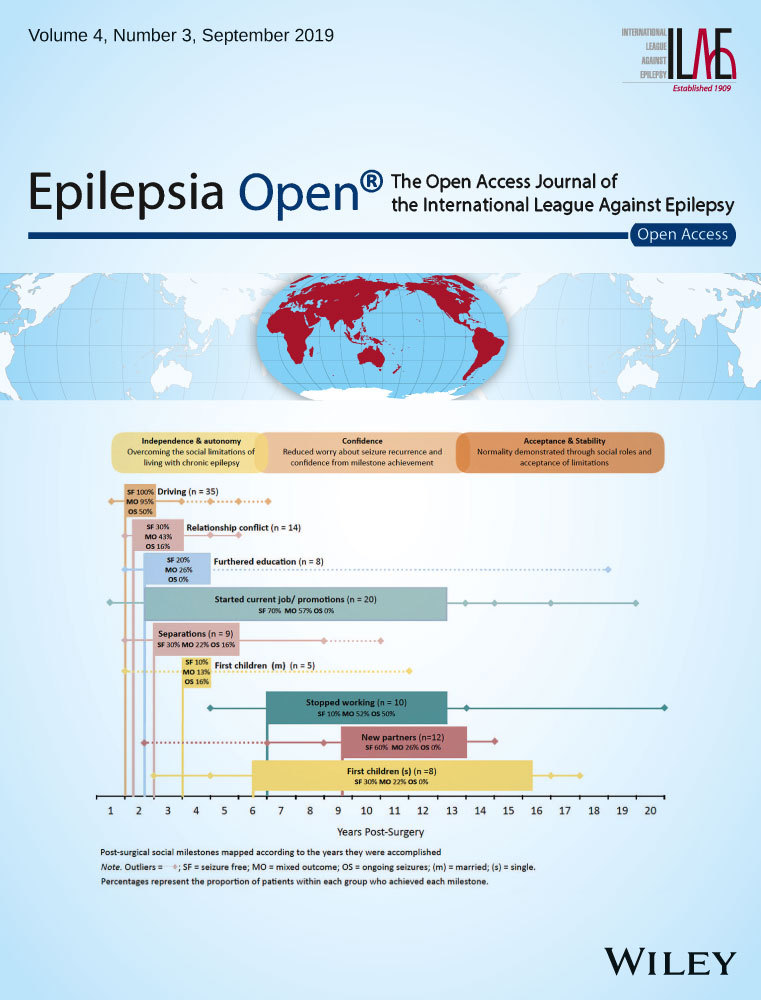 “C57BL/6J mice infected with Theiler’s murine encephalomyelitis virus (TMEV) develop acute behavioral seizures in the first week of infection and later develop chronic epilepsy. The TMEV model provides a useful platform to test novel antiseizure therapeutics.
 “Several works have reported on the antiepileptic impact of cannabis-based preparations in patients with treatment-resistant epilepsy (TRE). However, current formulations suffer from low bioavailability and side effects. PTL-101, an oral formulation containing highly purified