

“Overweight is increasingly prevalent in people living with HIV (PLWH), and is a high risk factor for metabolic disorders in this population. PLWH co-infected with hepatitis C virus (HCV) have a higher risk of metabolic disorders than their mono-infected counterparts.
The putative relationship between cannabis use and body weight found in the general population has never been documented in HIV-HCV co-infected people. We tested whether cannabis use is associated with body mass index (BMI), overweight, and underweight in HCV co-infected PLWH (N = 992). Mixed-effects linear and logistic regression models were used to study the association between cannabis use and the three outcomes over time.
After multivariable adjustment, cannabis use was inversely associated with BMI. Cannabis use was associated with a lower and higher risk of overweight and underweight, respectively. Cannabis use should be assessed and taken into account in the clinical management of the HIV-HCV co-infected population.”

 “HIV-associated neurocognitive disorders (HAND) persist despite the advent of antiretroviral therapy (ART), suggesting underlying systemic and central nervous system (CNS) inflammatory mechanisms.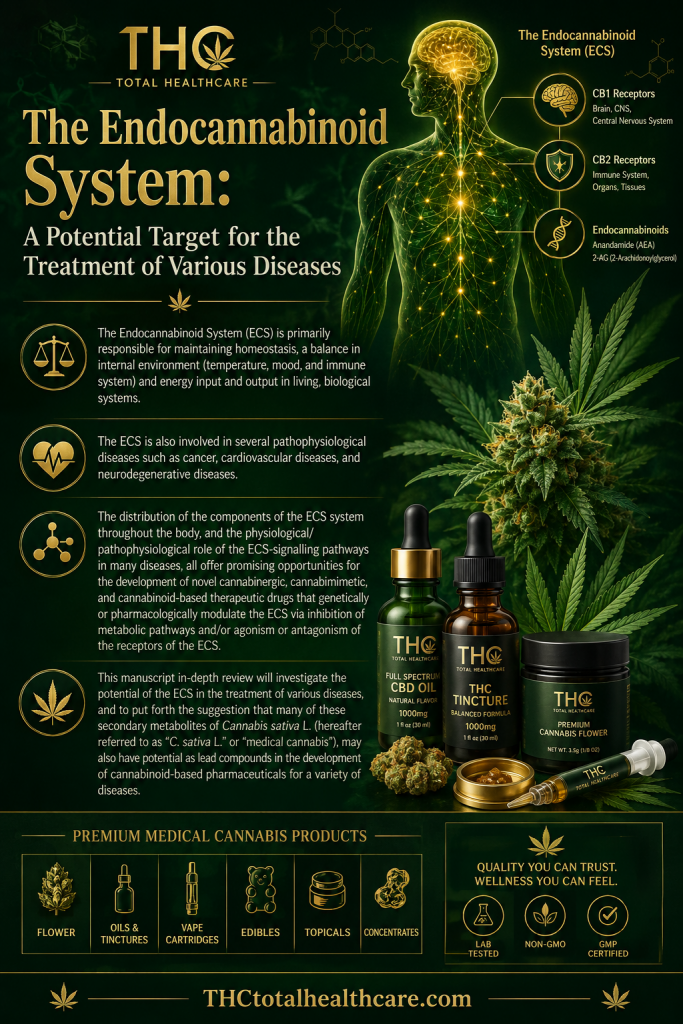
 “The Endocannabinoid System (ECS) is primarily responsible for maintaining homeostasis, a balance in internal environment (temperature, mood, and immune system) and energy input and output in living, biological systems.
 “Human immunodeficiency virus (HIV) infection and antiretroviral therapy can independently induce HIV-associated neuropathic pain (HIV-NP).
 “Recent cannabis exposure has been associated with lower rates of neurocognitive impairment in people with HIV (PWH). Cannabis’s anti-inflammatory properties may underlie this relationship by reducing chronic neuroinflammation in PWH.
  “People living with HIV (PLWH) report higher rates of cannabis use than the general population, a trend likely to continue in light of recent policy changes and the reported therapeutic benefits of cannabis for PLWH. Therefore, it is important to better understand cannabis-associated effects on neurocognition, especially as PLWH are at heightened risk for neurocognitive impairment.
 “Current literature on the effect of cannabis use on sleep quality is mixed, and few studies have used objectively-measured sleep measures or real-time sampling of cannabis use to examine this relationship.
 “HIV is associated with disruptions in cognition and brain function.