
 “Melanoma causes the highest number of skin cancer-related deaths worldwide. New treatment methods are essential for the management of this life-threatening disease.
Aims: In this study, we investigated the efficacy of a standardized Cannabis sativa extract alone or in combination with single radiation dose (6 Gy) in B16F10 mouse melanoma cells in an extract dose-dependent manner.
Results: Administration of the extract alone or alongside radiation substantially inhibited melanoma cell viability and proliferation in the extract dose response-dependent manner. The inhibition of melanoma cell viability was paralleled by an increase in necrosis but not apoptosis when melanoma cells were treated with the extract alone. Radiation alone did not have any antiproliferative effects, and radiation also did not synergize antiproliferative effects of the extract when the extract and radiation were combined.
Conclusion: Our data suggest that C. sativa extract may have significant health and physiological implications for the treatment of melanoma. The results of this study also indicate that B16F10 mouse melanoma cells are radioresistant. Taken together, these findings may lead to the identification of new therapeutic strategy for the management of melanoma.”
https://pubmed.ncbi.nlm.nih.gov/33342819/
“This study provides the first evidence of antitumor effects of C. sativa extract, when administered alone or in combination with radiation, to mouse melanoma cells in vitro. Our results may verify the value of C. sativa extract for the treatment of melanoma and may complement the therapeutic profile of C. sativa extracts administration in the future.”
 “UV phototherapy used in chronic skin diseases causes redox imbalance and pro-inflammatory reactions, especially in the case of unchanged skin cells.
 “Providers need to be better equipped to discuss medical cannabis with patients even if they are not willing to prescribe it. The oncology community would be well served to ensure that providers are aware of existing cannabis research and are able to incorporate it into their communications with patients instead of leaving patients to figure out medical cannabis on their own.”
 “Cannabidiol (CBD), a natural occurring phytocannabinoid, is used extensively in consumer products ranging from foods to shampoos, topical oils and lotions.
 “Melanoma is the fourth most common type of cancer diagnosed in Australians after breast, prostate, and colorectal cancers. While there has been substantial progress in the treatment of cancer in general, malignant melanoma, in particular, is resistant to existing medical therapies requiring an urgent need to develop effective treatments with lesser side effects.
 “In recent years, and even more since its legalization in several jurisdictions, cannabis and the endocannabinoid system have received an increasing amount of interest related to their potential exploitation in clinical settings. Cannabinoids have been suggested and shown to be effective in the treatment of various conditions. In cancer, the endocannabinoid system is altered in numerous types of tumours and can relate to cancer prognosis and disease outcome. Additionally, cannabinoids display anticancer effects in several models by suppressing the proliferation, migration and/or invasion of cancer cells, as well as tumour angiogenesis. However, the therapeutic use of cannabinoids is currently limited to the treatment of symptoms and pain associated with chemotherapy, while their potential use as cytotoxic drugs in chemotherapy still requires validation in patients. Along with cannabinoids, cannabis contains several other compounds that have also been shown to exert anti-tumorigenic actions. The potential anti-cancer effects of cannabinoids, terpenes and flavonoids, present in cannabis, are explored in this literature review.”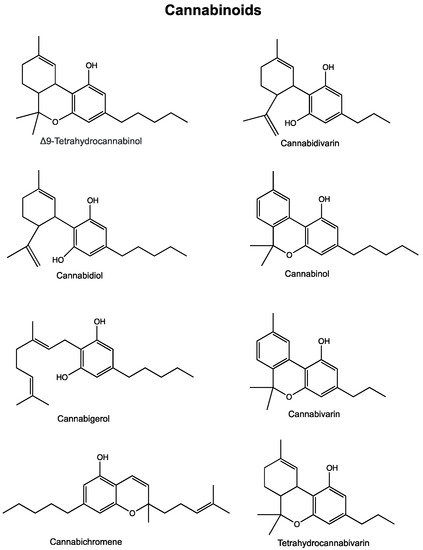
 “The recent announcement of marijuana legalization in Canada spiked many discussions about potential health benefits of Cannabis sativa.
 “Phytocannabinoids are unique terpenophenolic compounds predominantly produced in the glandular trichomes of the cannabis plant (Cannabis sativa L.). The delta-9- tetrahydrocannabinol (THC) is the main active constituent responsible for the plant’s psychoactive effect and, together with the non- psychoactive cannabidiol (CBD), the most investigated naturally occurring cannabinoid.