
 “The cellular microenvironment plays a critical role in the maintenance of bone marrow-derived mesenchymal stem cells (BM-MSCs) and their subsequent cell lineage differentiation. Recent studies suggested that individuals with adipocyte-related metabolic disorders have altered function and adipogenic potential of adipose stem cell subpopulations, primarily BM-MSCs, increasing the risk of heart attack, stroke or diabetes.
In this study, we explored the potential therapeutic effect of some of the most abundant non-euphoric compounds derived from the Cannabis sativa plant (or phytocannabinoids) including tetrahydrocannabivarin (THCV), cannabidiol (CBD), cannabigerol (CBG), cannabidiolic acid (CBDA) and cannabigerolic acid (CBGA), by analysing their pharmacological activity on the viability of endogenous BM-MSCs as well as their ability to alter BM-MSC proliferation and differentiation into mature adipocytes.
We provide evidence that CBD, CBDA, CBGA and THCV (5 µM) increase the number of viable BM-MSCs; whereas only CBG (5 µM) and CBD (5 µM) alone or in their combination promote their maturation into adipocytes via distinct molecular mechanisms. These effects were revealed both in vitro and in vivo. In addition, phytocannabinoids prevented the insulin signalling impairment induced by palmitate in adipocytes differentiated from BM-MSCs.
Our study highlights phytocannabinoids as a potential novel pharmacological tool to regain control of functional adipose tissue in unregulated energy homeostasis often occurring in metabolic disorders including type 2 diabetes mellitus (T2DM), aging and lipodystrophy.”
https://www.ncbi.nlm.nih.gov/pubmed/32061773
“The promiscuous pharmacology of phytocannabinoids makes them viable candidates for new medicines for the treatment of metabolic syndromes through the simultaneous resolution of collective complications due to impaired development, maintenance, activity and function of the adipose tissue. Furthermore, phytocannabinoids are generally well tolerated in comparison to potent synthetic PPAR agonists, and combination treatments may further improve their efficacy at lower doses.”
https://www.sciencedirect.com/science/article/pii/S0006295220300873?via%3Dihub
 “Endocannabinoid system consists of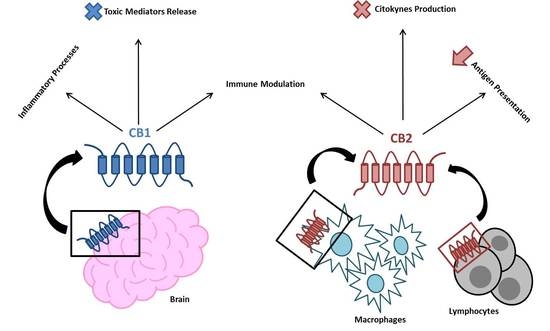


 “Obesity, an important risk factor for developing chronic kidney disease (CKD), affects the kidneys by two main molecular signaling pathways: the endocannabinoid/CB1 R system, whose activation in obesity promotes renal inflammation, fibrosis, and injury; and the inducible nitric oxide synthase (iNOS), which generates reactive oxygen species resulting in oxidative stress. Hence, a combined peripheral inhibitory molecule that targets both CB1 R and iNOS may serve as an efficacious therapeutic agent against obesity-induced CKD.
 “Small molecules targeting peripheral CB1 receptors have therapeutic potential in a variety of disorders including obesity-related, hormonal and metabolic abnormalities, while avoiding the psychoactive effects in the CNS.
 “Obese individuals are more likely to show insulin resistance (IR). However, limited population studies on
 “The
“The