 “Objective: The opioid epidemic continues to claim thousands of lives every year without an effective strategy useful in mitigating mortality. The use of medical cannabis has been proposed as a potential strategy to decrease opioid usage. The objective of this study was to determine how the use of medical cannabis affects prescribed opioid usage in chronic pain patients.
Methods: We conducted an online convenience sample survey of patients from three medical cannabis practice sites who had reported using opioids. A total of 1181 patients responded, 656 were excluded for not using medical cannabis in combination with opioid use or not meeting the definition of chronic pain, leaving 525 patients who had used prescription opioid medications continuously for at least three months to treat chronic pain and were using medical cannabis in combination with their prescribed opioid use.
Results: Overall, 40.4% (n=204) reported that they stopped all opioids, 45.2% (n=228) reported some decrease in their opioid usage, 13.3% (n=67) reported no change in opioid usage, and 1.1% (n=6) reported an increase in opioid usage. The majority (65.3%, n=299) reported that they sustained the opioid change for over a year. Almost half (48.2%, n=241) reported a 40-100% decrease in pain while 8.6% (n=43) had no change in pain and 2.6% (n=13) had worsening pain. The majority reported improved ability to function (80.0%, n=420) and improved quality of life (87.0%, n=457) with medical cannabis. The majority (62.8%, n=323) did not want to take opioids in the future. While the change in pain level was not affected by age and gender, the younger age group had improved ability to function compared with the middle and older age groups.
Conclusions: Patients in this study reported that cannabis was a useful adjunct and substitute for prescription opioids in treating their chronic pain and had the added benefit of improving the ability to function and quality of life.”
https://pubmed.ncbi.nlm.nih.gov/33409086/
“Our results show a remarkable percentage of patients both reporting complete cessation of opioids and decreasing opioid usage by the addition of medical cannabis, with results lasting for over a year for the majority. Additional benefits of medical cannabis included improved ability to function and improved quality of life, especially for the younger age group. We believe our results lend further support that medical cannabis provided in a standardized protocol can lead to decreased pain and opioid usage, improved function, and quality of life measures, and even complete cessation of opioids in patients with chronic pain treated by opioids.”
https://www.cureus.com/articles/41928-a-survey-on-the-effect-that-medical-cannabis-has-on-prescription-opioid-medication-usage-for-the-treatment-of-chronic-pain-at-three-medical-cannabis-practice-sites

 “Cannabis sativa L. turned out to be a valuable source of chemical compounds of various structures, showing pharmacological activity. The most important groups of compounds include phytocannabinoids and terpenes.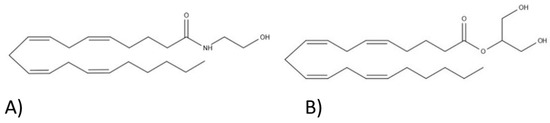
 “The Cannabis sativa plant has been used medicinally and recreationally for thousands of years, but recently only relatively some of its constituents have been identified.
  “Objectives:
  “We present the case of an 18-year-old woman who suffered from complications of Ehlers-Danlos syndrome (EDS). Her pain was poorly controlled despite being on a myriad of analgesic medications at the time.
 “Introduction:
 “Cannabis use for pain relief is commonly reported, yet laboratory studies and clinical trials suggest that cannabinoids are weak analgesics, and it is unclear whether perceived reductions in pain from before to after cannabis use relate to factors such as dose, method of administration, phytocannabinoid content, or the age or gender of the user. We determined whether inhalation of cannabis decreased self-reported pain ratings as well as whether user gender, age, time, method of administration, tetrahydrocannabinol (THC)/cannabidiol (CBD) content, or dose of cannabis contribute to changes in these ratings. We also examined whether tolerance may develop to the analgesic effects of cannabis over time.
 “Background: The ongoing opioid overdose crisis is driven largely by exposure to illicitly-manufactured fentanyl. Preliminary observational and experimental research suggests that cannabis could potentially play a role in reducing use of prescription opioids among individuals with chronic pain. However, there is limited data on the effects of cannabis on illicit opioid consumption, particularly fentanyl, especially among individuals on opioid agonist therapy (OAT). We sought to assess the longitudinal association between cannabis use and exposure to fentanyl among people on OAT.
 “Objectives: This article presents findings from a large prospective examination of Canadian medical cannabis patients, with a focus on the impacts of cannabis on prescription opioid use and quality of life over a 6-month period.
 “Chronic pelvic pain (CPP) affects up to 15% of women in the United States. The endocannabinoid system is a potential pharmacological target for pelvic pain as cannabinoid receptors are highly expressed in the uterus and other nonreproductive tissues.