
“This study investigated whether intramuscular injection of delta-9-tetrahydrocannabinol (THC), by acting on peripheral cannabinoid (CB) receptors, could decrease nerve growth factor (NGF)-induced sensitization in female rat masseter muscle; a model which mimics the symptoms of myofascial temporomandibular disorders.
Category Archives: Pain
Antinociceptive effects of HUF-101, a fluorinated cannabidiol derivative.
“Cannabidiol (CBD) is a phytocannabinoid with multiple pharmacological effects and several potential therapeutic properties. Its low oral bioavailability, however, can limit its clinical use. Preliminary results indicate that fluorination of the CBD molecule increases its pharmacological potency. Here, we investigated whether HUF-101 (3, 10, and 30mg/kg), a fluorinated CBD analogue, would induce antinociceptive effects. These findings show that HUF-101 produced antinociceptive effects at lower doses than CBD, indicating that the addition of fluoride improved its pharmacological profile. Furthermore, some of the antinociceptive effects of CBD and HUF-101 effects seem to involve the activation of CB1 and CB2 receptors.” https://www.ncbi.nlm.nih.gov/pubmed/28720466 http://www.sciencedirect.com/science/article/pii/S0278584617302233]]>
Cannabidiol Is a Potential Therapeutic for the Affective-Motivational Dimension of Incision Pain in Rats.

“Drugs that interfere with the endocannabinoid system are alternatives for the management of clinical pain. Cannabidiol (CBD), a phytocannabinoid found in Cannabis sativa, has been utilized in preclinical and clinical studies for the treatment of pain. Herein, we evaluate the effects of CBD. The study provides evidence that CBD influences different dimensions of the response of rats to a surgical incision, and the results establish the rostral anterior cingulate cortex (rACC) as a brain area from which CBD evokes antinociceptive effects in a manner similar to the systemic administration of CBD. The present study has shown for the first time that CBD injected either systemically or into the rACC induces a long-lasting anti-allodynic effect with a bell-shaped dose-response curve in a rat model of incision pain.” https://www.ncbi.nlm.nih.gov/pubmed/28680401
Efficacy, tolerability, and safety of non-pharmacological therapies for chronic pain: An umbrella review on various CAM approaches.

“Complementary and alternative medicine (CAM) therapies may be used as a non-pharmacological approach to chronic pain management. Twenty-six reviews (207 clinical trials, >12,000 participants) about 18 CAM modalities, falling under natural products, mind and body practices or other complementary health approaches were included. Inhaled cannabis, graded motor imagery, and Compound Kushen injection (a form of Chinese medicine) were found the most efficient and tolerable for chronic pain relief. When reported, adverse effects related to these CAM were minor.” https://www.ncbi.nlm.nih.gov/pubmed/28669581

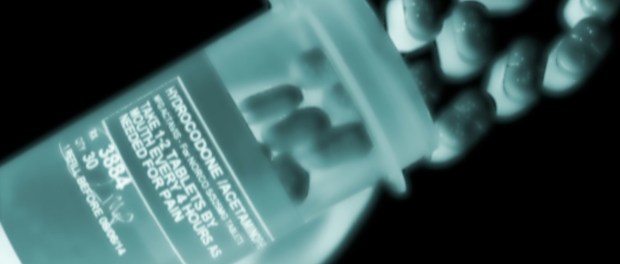 “To assess prevalence rates and correlates of problematic use of prescription opioids and medicinal cannabis (MC) among patients receiving treatment for chronic pain.
Problematic use of opioids is common among chronic pain patients treated with prescription opioids and is more prevalent than problematic use of cannabis among those receiving MC.”
“To assess prevalence rates and correlates of problematic use of prescription opioids and medicinal cannabis (MC) among patients receiving treatment for chronic pain.
Problematic use of opioids is common among chronic pain patients treated with prescription opioids and is more prevalent than problematic use of cannabis among those receiving MC.”