
 “Phytocannabinoids (and synthetic analogs thereof) are gaining significant attention as promising leads in modern medicine. Considering this, new directions for the design of phytocannabinoid-inspired molecules is of immediate interest. In this regard, we have hypothesized that axially-chiral-cannabinols (ax-CBNs), unnatural and unknown isomers of cannabinol (CBN) may be valuable scaffolds for cannabinoid-inspired drug discovery. There are two main factors directing our interest to these scaffolds: (a) ax-CBNs would have ground-state three-dimensionality; ligand-receptor interactions can be more significant with complimentary 3D-topology, and (b) ax-CBNs at their core structure are biaryl molecules, generally attractive platforms for pharmaceutical development due to their ease of functionalization and stability. Herein we report a synthesis of ax-CBNs, examine physical properties experimentally and computationally, and perform a comparative analysis of ax-CBN and THC in mice behavioral studies.”
https://www.ncbi.nlm.nih.gov/pubmed/32061146
https://onlinelibrary.wiley.com/doi/abs/10.1002/cmdc.202000025
 “Patients with non-small cell lung cancer (NSCLC) develop resistance to antitumor agents by mechanisms that involve the epithelial-to-mesenchymal transition (EMT). This necessitates the development of new complementary drugs, e.g.,
  “Plant phytochemicals have potential decontaminating properties, however, their role in the amelioration of hydrophobic water filtration membranes have not been elucidated yet.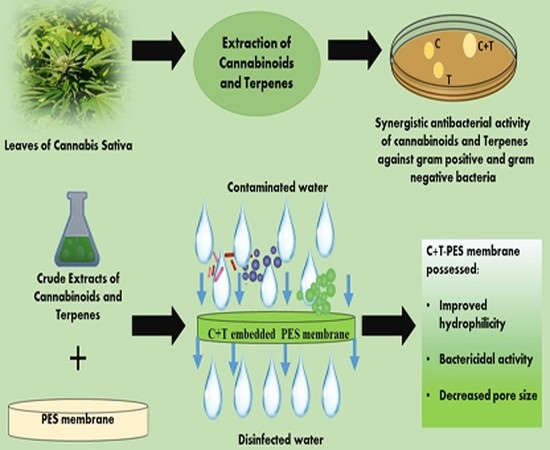
 “Septic lung injury is one of main causes of high mortality in severe patients. Inhibition of excessive inflammatory response is considered as an effective strategy for septic lung injury.
 “Most of the drugs of abuse affect the brain by interacting with naturally expressed molecular receptors. Marihuana affects a series of receptors including
  “Critically ill patients with sepsis require a multidisciplinary approach, as this situation implies multiorgan distress, with most of the bodily biochemical and cellular systems being affected by the condition. Moreover, sepsis is characterized by a multitude of biochemical interactions and by dynamic changes of the immune system. At the moment, there is a gap in our understanding of the cellular, genetic, and molecular mechanisms involved in sepsis.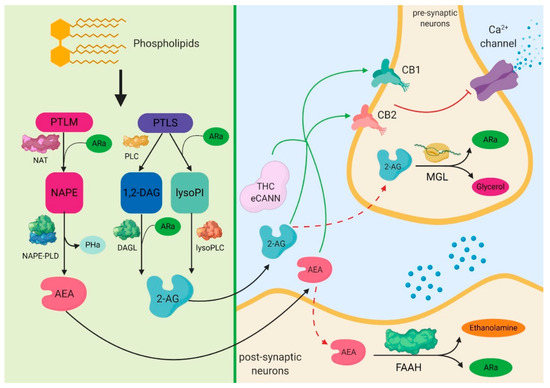
 “Human adipose tissue includes large quantities of mesenchymal stromal cells (atMSCs), which represent an abundant cell source for therapeutic applications in the field of regenerative medicine.
 “Activation of
  “Drugs selectively targeting CB2 hold promise for treating neurodegenerative disorders, inflammation, and pain while avoiding psychotropic side effects mediated by CB1. The mechanisms underlying CB2 activation and signaling are poorly understood but critical for drug design. Here we report the cryo-EM structure of the human CB2-Gi signaling complex bound to the agonist WIN 55,212-2. The 3D structure reveals the binding mode of WIN 55,212-2 and structural determinants for distinguishing CB2 agonists from antagonists, which are supported by a pair of rationally designed agonist and antagonist. Further structural analyses with computational docking results uncover the differences between CB2 and CB1 in receptor activation, ligand recognition, and Gi coupling. These findings are expected to facilitate rational structure-based discovery of drugs targeting the