“The COVID-19 pandemic caused by SARS-CoV-2 is a deadly disease afflicting millions. The pandemic continues affecting population due to nonavailability of drugs and vaccines. The pathogenesis and complications of infection mainly involve hyperimmune-inflammatory responses. Thus, therapeutic strategies rely on repurposing of drugs aimed at reducing infectivity and inflammation and modulate immunity favourably.
Among, numerous therapeutic targets, the endocannabinoid system, particularly activation of cannabinoid type-2 receptors (CB2R) emerged as an important one to suppress the hyperimmune-inflammatory responses. Recently, potent antiinflammatory, antiviral and immunomodulatory properties of CB2R selective ligands of endogenous, plant, and synthetic origin were showed mediating CB2R selective functional agonism.
CB2R activation appears to regulate numerous signaling pathways to control immune-inflammatory mediators including cytokines, chemokines, adhesion molecules, prostanoids, and eicosanoids. Many CB2R ligands also exhibit off-target effects mediating activation of PPARs, opioids, and TRPV, suggestive of adjuvant use with existing drugs that may maximize efficacy synergistically and minimize therapeutic doses to limit adverse/ side effects.
We hypothesize that CB2R agonists, due to immunomodulatory, antiinflammatory, and antiviral properties may show activity against COVID-19. Based on the organoprotective potential, relative safety, lack of psychotropic effects, and druggable properties, CB2R selective ligands might make available promising candidates for further investigation.”
https://pubmed.ncbi.nlm.nih.gov/33190277/
https://onlinelibrary.wiley.com/doi/10.1002/ddr.21752

 “The endocannabinoid (eCB) system encompasses the eCBs anandamide and 2-arachidonoylglycerol, their anabolic/catabolic enzymes, and the cannabinoid CB1 and CB2 receptors. Its expansion to include several eCB-like lipid mediators, their metabolic enzymes, and their molecular targets, forms the endocannabinoidome (eCBome).
 “Background: Older adults (≥50 years) represent the fastest-growing population of people who use cannabis, potentially due to the increasing promotion of cannabis as medicine by dispensaries and cannabis websites. Given healthy aging and cannabis use are both associated with cognitive decline, it is important to establish the effects of cannabis on cognition in healthy aging.
 “Chronic pelvic pain affects women across all demographics. Its management is complex and requires a multimodal approach.
 “Objective: To evaluate the use of a Cannabis sativa oil in the management of patients diagnosed with primary burning mouth syndrome (BMS).
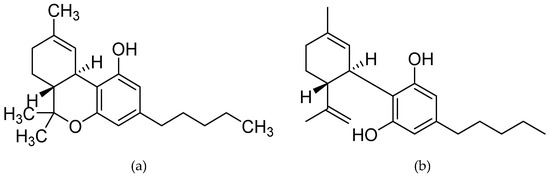
 “The anti-cancer effects of cannabinoids including CBD (Cannabidiol) and THC ((-)-trans-∆9-tetrahydrocannabinol) have been reported in the case of pancreatic cancer (PC).
 “Multiple therapeutic properties have been attributed to Cannabis sativa. However, further research is required to unveil the medicinal potential of Cannabis and the relationship between biological activity and chemical profile.
 “Objective: To determine the benefit of a tetrahydrocannabinol (THC)-rich cannabis oil on symptoms and quality of life of fibromyalgia patients.
 “Many people with MS (pwMS) use unregulated cannabis or cannabis products to treat the symptoms associated with the disease. In line with this, Sativex, a synthetic combination of cannabidiol (CBD) and Δ9-tetrahydrocannabinol (Δ9-THC) has been approved to treat symptoms of spasticity.