US Traffic Fatalities, 1985–2014, and Their Relationship to Medical Marijuana Laws

Image result for American Journal of Public Health

“Objectives. To determine the association of medical marijuana laws (MMLs) with traffic fatality rates.

Methods. Using data from the 1985–2014 Fatality Analysis Reporting System, we examined the association between MMLs and traffic fatalities in multilevel regression models while controlling for contemporaneous secular trends. We examined this association separately for each state enacting MMLs. We also evaluated the association between marijuana dispensaries and traffic fatalities.

Results. On average, MML states had lower traffic fatality rates than non-MML states. Medical marijuana laws were associated with immediate reductions in traffic fatalities in those aged 15 to 24 and 25 to 44 years, and with additional yearly gradual reductions in those aged 25 to 44 years. However, state-specific results showed that only 7 states experienced post-MML reductions. Dispensaries were also associated with traffic fatality reductions in those aged 25 to 44 years.

Conclusions. Both MMLs and dispensaries were associated with reductions in traffic fatalities, especially among those aged 25 to 44 years. State-specific analysis showed heterogeneity of the MML–traffic fatalities association, suggesting moderation by other local factors. These findings could influence policy decisions on the enactment or repealing of MMLs and how they are implemented.”

http://ajph.aphapublications.org/doi/abs/10.2105/AJPH.2016.303577

“Medical Marijuana: Traffic Deaths Drop In States That Legalized Cannabis Use”  http://www.techtimes.com/articles/190597/20161230/medical-marijuana-traffic-deaths-drop-in-states-that-legalized-cannabis-use.htm

Extravirgin olive oil up-regulates CB₁ tumor suppressor gene in human colon cancer cells and in rat colon via epigenetic mechanisms.

Image result for The Journal of Nutritional Biochemistry

“Extravirgin olive oil (EVOO) represents the typical lipid source of the Mediterranean diet, an eating habit pattern that has been associated with a significant reduction of cancer risk. Diet is the more studied environmental factor in epigenetics, and many evidences suggest dysregulation of epigenetic pathways in cancer.

The aim of our study was to investigate the effects of EVOO and its phenolic compounds on endocannabinoid system (ECS) gene expression via epigenetic regulation in both human colon cancer cells (Caco-2) and rats exposed to short- and long-term dietary EVOO.

Taken together, our findings demonstrating CB₁ gene expression modulation by EVOO or its phenolic compounds via epigenetic mechanism, both in vitro and in vivo, may provide a new therapeutic avenue for treatment and/or prevention of colon cancer.”

https://www.ncbi.nlm.nih.gov/pubmed/25533906

Dietary olive oil induces cannabinoid CB2 receptor expression in adipose tissue of ApcMin/+ transgenic mice.

Image result for j nutr health aging journal

“Cannabinoid– 2 (CB2) receptor is known for its anti-obesity effects silencing the activated immune cells that are key drivers of metabolic syndrome and inflammation.

Nutritional interventions in experimental models of carcinogenesis have been demonstrated to modulate tissue inflammation state and proliferation.

OBJECTIVE: Aim of this study was to test, in ApcMin/+ mice, whether a diet enriched with olive oil, omega- 3 and omega-6- PUFAs affects the adipose tissue inflammation status.

RESULTS: The diet enriched with olive oil significantly induced CB2 receptor expression and it was able to control inflammatory and proliferative activity of mice adipose tissue.

CONCLUSIONS: The present findings open opportunities for developing novel nutritional strategies considering olive oil a key ingredient of a healthy dietary pattern.”

Circulating levels of endocannabinoids respond acutely to voluntary exercise, are altered in mice selectively bred for high voluntary wheel running, and differ between the sexes.

Image result for Physiol Behav.

“The endocannabinoid system serves many physiological roles, including in the regulation of energy balance, food reward, and voluntary locomotion.

Signaling at the cannabinoid type 1 receptor has been specifically implicated in motivation for rodent voluntary exercise on wheels.

We studied four replicate lines of high runner (HR) mice that have been selectively bred for 81 generations based on average number of wheel revolutions on days five and six of a six-day period of wheel access.

Our results suggest that voluntary exercise alters circulating levels of endocannabinoids, and further demonstrate that selective breeding for voluntary exercise is associated with evolutionary changes in the endocannabinoid system.”

https://www.ncbi.nlm.nih.gov/pubmed/28017680

“Exercise activates the endocannabinoid system.”  https://www.ncbi.nlm.nih.gov/pubmed/14625449

Protective effects of trans-caryophyllene on maintaining osteoblast function.

Image result for IUBMB Life.

“Age-related osteoblast dysfunction is the main cause of age-related bone loss.

Trans-caryophyllene (TC) is an important constituent of the essential oils derived from several species of medicinal plants.

In this study, we investigated the effects of TC on osteoblast function in osteoblastic MC3T3-E1 cells. The results indicate that TC caused a significant elevation in collagen content, alkaline phosphatase activity, osteocalcin production, and mineralization, which are the four markers that account for the various stages of osteoblastic differentiation.

Our findings that TC promotes the formation of a mineralized extracellular matrix help to elucidate the role of CB2 signaling in the formation of bone and the maintenance of normal bone mass.”

https://www.ncbi.nlm.nih.gov/pubmed/28026135

“Trans-caryophyllene is a sesquiterpene present in many medicinal plants’ essential oils, such as Ocimum gratissimum and Cannabis sativa.”  https://www.ncbi.nlm.nih.gov/pubmed/24055516

Identification of an endocannabinoid system in the rat pars tuberalis-a possible interface in the hypothalamic-pituitary-adrenal system?

Image result for Cell Tissue Res.

“Endocannabinoids (ECs) are ubiquitous endogenous lipid derivatives and play an important role in intercellular communication either in an autocrine/paracrine or in an endocrine fashion. Recently, an intrinsic EC system has been discovered in the hypophysial pars tuberalis (PT) of hamsters and humans. In hamsters, this EC system is under photoperiodic control and appears to influence the secretion of hormones such as prolactin from the adenohypophysis. We investigate the EC system in the PT of the rat, a frequently used species in endocrine research.

By means of immunocytochemistry, enzymes involved in EC biosynthesis, e.g., N-arachidonoyl-phosphatidylethanolamine-phospholipase D (NAPE-PLD) and diacylglycerol lipase α (DAGLα) and enzymes involved in EC degradation, e.g., fatty acid amide hydrolase (FAAH) and cyclooxygenase-2 (COX-2), were demonstrated in PT cells of the rat. Immunoreactions (IR) for FAAH and for the cannabinoid receptor CB1 were observed in corticotrope cells of the rat adenohypophysis; these cells were identified by antibodies against proopiomelanocortin (POMC) or adrenocorticotrophic hormone (ACTH). In the outer zone of the median eminence, numerous nerve fibers and terminals displayed CB1 IR. The majority of these were also immunolabeled by an antibody against corticotropin-releasing factor (CRF).

These results suggest that the EC system at the hypothalamo-hypophysial interface affects both the CRF-containing nerve fibers and the corticotrope cells in the adenohypophysis. Our data give rise to the hypothesis that, in addition to its well-known role in the reproductive axis, the PT might influence adrenal functions and, thus, the stress response and immune system.”

https://www.ncbi.nlm.nih.gov/pubmed/27999963

Marijuana use and inpatient outcomes among hospitalized patients: analysis of the nationwide inpatient sample database

Cancer Medicine

“The purpose of this paper is to examine the relationship between marijuana use and health outcomes among hospitalized patients, including those hospitalized with a diagnosis of cancer.

A total of 387,608 current marijuana users were identified based on ICD-9 codes for marijuana use among hospitalized patients in the Nationwide Inpatient Sample database between 2007 and 2011. Logistic regression analysis was performed to determine the association between marijuana use and heart failure, cardiac disease, stroke, and in-hospital mortality. All models were adjusted for age, gender, race, residential income, insurance, residential region, pain, and number of comorbidities.

Among hospitalized patients, marijuana use was associated with a 60% increased odds of stroke (OR: 1.60, 95% CI: 1.44–1.77) compared with non-users, but significantly reduced odds of heart failure (OR: 0.78, 95% CI: 0.75–0.82), cardiac disease (OR: 0.86, 95% CI: 0.82–0.91), or in-hospital mortality (OR: 0.41, 95% CI: 0.38–0.44).

Among cancer patients, odds of in-hospital mortality was significantly reduced among marijuana users compared with non-users (OR: 0.44, 95% CI: 0.35–0.55).

Hospitalized marijuana users were more likely to experience a stroke compared with non-users, but less likely to experience in-hospital mortality.”

http://onlinelibrary.wiley.com/doi/10.1002/cam4.968/full

Expression of Cannabinoid Type 1 Receptors in Human Odontoblast Cells.

Image result for Journal of Endodontics

“The aim of this study was to investigate the functional expression of cannabinoid type 1 (CB1) receptors in human odontoblasts (HODs) and the possible internal mechanism.

In the present study, we examined the molecular and functional expression of the CB1 receptors in cultured HOD-like cells and native HODs obtained from healthy wisdom teeth.

We conclude that HODs can express functional CB1 receptors that may play an important role in mediating the physiological function in tooth pulp.”

https://www.ncbi.nlm.nih.gov/pubmed/27989582

“Involvement of the endocannabinoid system in periodontal healing.”  https://www.ncbi.nlm.nih.gov/pubmed/20233580

In vitro Antimicrobial and Antioxidant Activity of Extracts from Six Chemotypes of Medicinal Cannabis

“Nowadays, medicinal cannabis (Cannabis sativa L) is in the focus of the researches not only for its high content of tetrahydrocannabinol (THC), but for other cannabinoids as well.

It has been reported that some of the identified substances (e.g. cannabidiol, cannabinochromene) possess anti-inflammatory and antimicrobial properties, which corresponds to its traditional use as wound healing agent at Pakistan.

The aim of this study was to evaluate antimicrobial and antioxidant ability of extracts from high potent Cannabis sativa chemotypes.

The six ethanolic extracts prepared from dried inflorescence of five medicinal cannabis chemotypes (Nurse Jackie, Jilly Bean, Nordle, Jack Cleaner, Conspiracy Kush) were tested by standard microdilution method against Staphylococcus aureus (three strains), Streptococcus pyogenes and the yeast Candida albicans.

Those microbial strains are present on skin and can cause complication during wound healing process.

The antioxidative activity, which plays an important role in wound healing process, was tested by oxygen radical absorbance capacity test (ORAC).

All tested extracts demonstrated high antimicrobial activity against two strains of S. aureus and S. pyogenes (MIC ranged from 4 – 16 µg·mL-1), moreover high antioxidant capacity was observed (ORAC ranged from 800 – 1300 µg TE/mg of extract).

The results indicate that cannabis has high potential to be used in ointments and other material for wound healing.

However, further research on the identification of the active components is needed.”

https://www.thieme-connect.com/DOI/DOI?10.1055/s-0036-1596302

IN VITRO ANTIMICROBIAL AND ANTIOXIDANT ACTIVITIES OF TWO MEDICINAL PLANTS AGAINST SOME CLINICALLY IMPORTANT BACTERIA

Image result for Lahore College for Women University

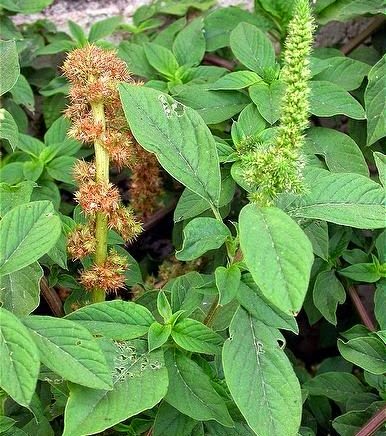
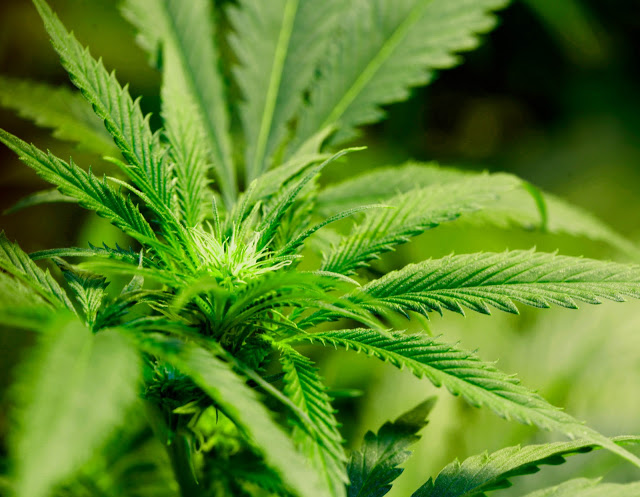
“The aim of the present study was to evaluate the antimicrobial potential of Amaranthus viridis (Chowlai) and Cannabis sativa (Bhang) against clinically important bacteria, Staphylococcus aureus, Klebsiella pneumonia, Pseudomonas aeruginosa and Escherichia coli.

The study revealed that leaves of A. viridis and C. sativa possess broad spectrum antimicrobial activity and natural antioxidants that can be of considerable pharmaceutical importance.

Leaf and stem extracts of A. viridis and C. sativa demonstrated a broad spectrum efficacy against Grampositive and Gram-negative bacteria. These plants also exhibited good antioxidant activity.”

https://fuuast.edu.pk/biology%20journal/images/pdfs/2016/june/paper17.pdf

Image result for Amaranthus viridis (Chaulai)

Image result for Cannabis sativa (Bhang)