Selective CB2 receptor agonists.

“Selective CB2 receptor agonists. Part 1: The identification of novel ligands through computer-aided drug design (CADD) approaches. Computer-aided drug design scaffold hopping strategies were utilized to identify new classes of CB2 agonists when compounds of an established series with low nanomolar potency were challenging to optimize for good drug-like properties. Use of ligand-based design strategies through BI Builder (a tool for de novo design) and PharmShape (a virtual screening software package) approaches led to the discovery of new chemotypes. Specifically, compounds containing azetidine-, proline-, and piperidine-based cores were found to have low nanomolar and picomolar CB2 agonist activities with drug-like properties considered appropriate for early profiling.”  http://www.ncbi.nlm.nih.gov/pubmed/25556098

“Selective CB2 receptor agonists. Part 2: Structure-activity relationship studies and optimization of proline-based compounds. Through a ligand-based pharmacophore model (S)-proline based compounds were identified as potent cannabinoid receptor 2 (CB2) agonists with high selectivity over the cannabinoid receptor 1 (CB1). Structure-activity relationship investigations for this compound class lead to oxo-proline compounds 21 and 22 which combine an impressive CB1 selectivity profile with good pharmacokinetic properties. In a streptozotocin induced diabetic neuropathy model, 22 demonstrated a dose-dependent reversal of mechanical hyperalgesia.” http://www.ncbi.nlm.nih.gov/pubmed/25556092

“Selective CB2 receptor agonists. Part 3: The optimization of a piperidine-based series that demonstrated efficacy in an in vivo neuropathic pain model. A novel class of potent cannabinoid receptor 2 (CB2) agonists based on a (S)-piperidine scaffold was identified using ligand-based pharmacophore models. Optimization of solubility and metabolic stability led to the identification of several potent CB2 agonists (e.g., 30) that displayed selectivity over cannabinoid receptor 1 (CB1) and acceptable drug like properties. In rats, compound 30 demonstrated a favorable pharmacokinetic profile and efficacy in a Streptozotocin-induced diabetic neuropathy model, with full reversal of mechanical hyperalgesia.” http://www.ncbi.nlm.nih.gov/pubmed/25575658


Association Between Marijuana Exposure and Pulmonary Function over 20 Years

TU Dublin Kevin St Library: New: American Medical Association journals (JAMA)  collection now available via IReL“Occasional and low cumulative marijuana use was not associated with adverse effects on pulmonary function.

Marijuana may have beneficial effects on pain control, appetite, mood, and management of other chronic symptoms.

Our findings suggest that occasional use of marijuana for these or other purposes may not be associated with adverse consequences on pulmonary function.”

http://www.ncbi.nlm.nih.gov/pmc/articles/PMC3840897/

https://jamanetwork.com/journals/jama/fullarticle/1104848

“A common misconception about medical marijuana is that if inhaled, it will have detrimental effects on the patient’s lungs. However, according to a 2012 study published in the Journal of the American Medical Association (JAMA), this notion is simply untrue; in fact, this study points to an idea quite the opposite: that medical marijuana just might improve lung health under certain conditions.” HTTPS://AGRIMEDINDUSTRIES.COM/2018/06/08/STUDY-SHOWS-MARIJUANA-HAS-A-POSITIVE-IMPACT-ON-LUNG-HEALTH-UNDER-CERTAIN-CONDITIONS/

Cannabis smoking and serum C-reactive protein: A quantile regressions approach based on NHANES 2005-2010.

“In this epidemiological study, we aim to present estimates on suspected cannabis-attributable immunomodulation as manifest in serum C-reactive protein (CRP) levels as non-specific inflammatory markers with interpretable clinical values…

Extending pre-clinical research on cannabis-attributable immunomodulation, this study’s CRP evidence points toward possible anti-inflammatory effects of cannabis smoking…”

http://www.ncbi.nlm.nih.gov/pubmed/25529540

Drug discovery strategies that focus on the endocannabinoid signaling system in psychiatric disease.

“The endocannabinoid (eCB) system plays an important role in the control of mood, and its dysregulation has been implicated in several psychiatric disorders.

Targeting the eCB system appears to represent an attractive and novel approach to the treatment of depression and other mood disorders.

…the review provides discussion on compounds and drugs that target this system and might prove to be successful for the treatment of mood-related psychiatric disorders.

The discovery of increasingly selective modulators of CB receptors should enable the identification of optimal therapeutic strategies.

It should also maximize the likelihood of developing safe and effective treatments for debilitating psychiatric disorders.”

http://www.ncbi.nlm.nih.gov/pubmed/25488672

Cannabinoids: New Promising Agents in the Treatment of Neurological Diseases.

“Nowadays, Cannabis sativa is considered the most extensively used narcotic. Nevertheless, this fame obscures its traditional employ in native medicine of South Africa, South America, Turkey, Egypt and in many regions of Asia as a therapeutic drug.

In fact, the use of compounds containing Cannabis and their introduction in clinical practice is still controversial and strongly limited by unavoidable psychotropic effects. So, overcoming these adverse effects represents the main open question on the utilization of cannabinoids as new drugs for treatment of several pathologies.

To date, therapeutic use of cannabinoid extracts is prescribed in patients with glaucoma, in the control of chemotherapy-related vomiting and nausea, for appetite stimulation in patients with anorexia-cachexia syndrome by HIV, and for the treatment of multiple sclerosis symptoms.

Recently, researcher efforts are aimed to employ the therapeutic potentials of Cannabis sativa in the modulation of cannabinoid receptor activity within the central nervous system, particularly for the treatment of neurodegenerative diseases, as well as psychiatric and non-psychiatric disorders.

This review evaluates the most recent available data on cannabinoids utilization in experimental and clinical studies, and highlights their beneficial effects in the prevention of the main neurological diseases and for the clinical treatment of symptoms with them correlated.”

http://www.ncbi.nlm.nih.gov/pubmed/25407719

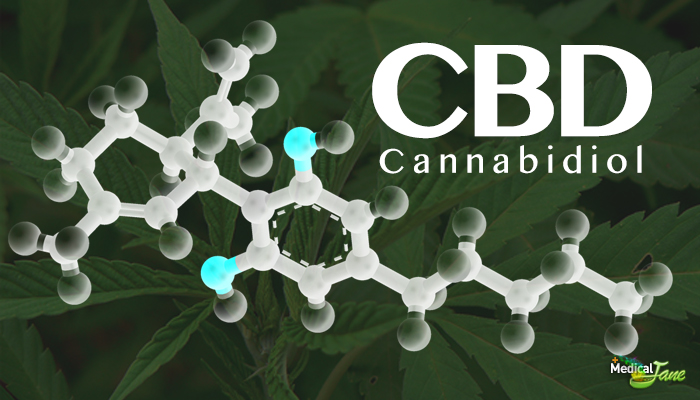
Transdermal Delivery of Cannabidiol Attenuates Binge Alcohol-Induced Neurodegeneration in a Rodent Model of an Alcohol Use Disorder

“Excessive alcohol consumption, characteristic of alcohol use disorders, results in neurodegeneration… the current study aimed to advance the preclinical development of transdermal delivery of cannabidiol (CBD) for the treatment of alcohol-induced neurodegeneration…

CBD is a main constituent of cannabis sativa… CBD is very well tolerated in humans. CBD has a plethora of actions, including anticonvulsive, anxiolytic, anti-relapse and neuroprotective properties, which make it an ideal candidate for treating multiple pathologies associated with alcohol use disorders…

These results demonstrate the feasibility of using CBD transdermal delivery systems for the treatment of alcohol-induced neurodegeneration.”

http://www.ncbi.nlm.nih.gov/pmc/articles/PMC4096899/

Cannabidiol protects liver from binge alcohol-induced steatosis by mechanisms including inhibition of oxidative stress and increase in autophagy

“Acute alcohol drinking induces steatosis, and effective prevention of steatosis can protect liver from progressive damage caused by alcohol. Increased oxidative stress has been reported as one mechanism underlying alcohol-induced steatosis.

We evaluated whether cannabidiol, which has been reported to function as an antioxidant, can protect the liver from alcohol-generated oxidative stress-induced steatosis.

Cannabidiol attenuates alcohol-mediated oxidative stress.

Cannabidiol can prevent acute alcohol-induced liver steatosis in mice, possibly by preventing the increase in oxidative stress and the activation of the JNK MAPK pathway…

Importantly, cannabidiol can prevent the decrease in autophagy induced by alcohol.

Cannabidiol protects mouse liver from acute alcohol-induced steatosis through multiple mechanisms.

In conclusion, these results show that cannabidiol protects mouse liver from acute alcohol-induced steatosis through multiple mechanisms including attenuation of alcohol-mediated oxidative stress, prevention of JNK MAPK activation, and increasing autophagy.”

http://www.sciencedirect.com/science/article/pii/S0891584913015670

Comparison of Cannabidiol, Antioxidants, and Diuretics in Reversing Binge Ethanol-Induced Neurotoxicity

“Alcohol is the world’s most widely used psychoactive drug, but chronic, excessive alcohol consumption leads to permanent organ damage or death..

In the current study, we use a rat model of binge alcohol consumption to determine the potential of cannabidiol (CBD) as a neuroprotectant against ethanol-induced neurotoxicity…

…we evaluated CBD as a neuroprotectant in a rat binge ethanol model.

When administered concurrently with binge ethanol exposure, CBD protected against hippocampal and entorhinal cortical neurodegeneration in a dose-dependent manner.

This study provides the first demonstration of CBD as an in vivo neuroprotectant…

CBD protects against binge alcohol-induced damage.”

http://www.ncbi.nlm.nih.gov/pmc/articles/PMC4183207/

Cannabidiol improves lung function and inflammation in mice submitted to LPS-induced acute lung injury.

Image result for immunopharmacology and immunotoxicology

“We have previously shown that the prophylactic treatment with cannabidiol (CBD) reduces inflammation in a model of acute lung injury (ALI).

In this work we analyzed the effects of the therapeutic treatment with CBD in mice subjected to the model of lipopolysaccharide (LPS)-induced ALI on pulmonary mechanics and inflammation.

The results show that CBD decreased total lung resistance and elastance, leukocyte migration into the lungs, myeloperoxidase activity in the lung tissue, protein concentration and production of pro-inflammatory cytokines (TNF and IL-6) and chemokines (MCP-1 and MIP-2) in the bronchoalveolar lavage supernatant.

Thus, we conclude that CBD administered therapeutically, i.e. during an ongoing inflammatory process, has a potent anti-inflammatory effect and also improves the lung function in mice submitted to LPS-induced ALI.

Therefore the present and previous data suggest that in the future cannabidiol might become a useful therapeutic tool for the attenuation and treatment of inflammatory lung diseases.”

http://www.ncbi.nlm.nih.gov/pubmed/25356537

Endocannabinoids, Related Compounds and Their Metabolic Routes.

“Endocannabinoids are lipid mediators able to bind to and activate cannabinoid receptors, the primary molecular targets responsible for the pharmacological effects of the Δ9-tetrahydrocannabinol.

These bioactive lipids belong mainly to two classes of compounds: N-acylethanolamines and acylesters, being N-arachidonoylethanolamine (AEA) and 2-arachidonoylglycerol (2-AG), respectively, their main representatives.

During the last twenty years, an ever growing number of fatty acid derivatives (endocannabinoids and endocannabinoid-like compounds) have been discovered and their activities biological is the subject of intense investigations.

Here, the most recent advances, from a therapeutic point of view, on endocannabinoids, related compounds, and their metabolic routes will be reviewed.”

http://www.ncbi.nlm.nih.gov/pubmed/25347455