
 “The COVID-19 pandemic caused by SARS-CoV-2 is a deadly disease afflicting millions. The pandemic continues affecting population due to nonavailability of drugs and vaccines. The pathogenesis and complications of infection mainly involve hyperimmune-inflammatory responses. Thus, therapeutic strategies rely on repurposing of drugs aimed at reducing infectivity and inflammation and modulate immunity favourably.
Among, numerous therapeutic targets, the endocannabinoid system, particularly activation of cannabinoid type-2 receptors (CB2R) emerged as an important one to suppress the hyperimmune-inflammatory responses. Recently, potent antiinflammatory, antiviral and immunomodulatory properties of CB2R selective ligands of endogenous, plant, and synthetic origin were showed mediating CB2R selective functional agonism.
CB2R activation appears to regulate numerous signaling pathways to control immune-inflammatory mediators including cytokines, chemokines, adhesion molecules, prostanoids, and eicosanoids. Many CB2R ligands also exhibit off-target effects mediating activation of PPARs, opioids, and TRPV, suggestive of adjuvant use with existing drugs that may maximize efficacy synergistically and minimize therapeutic doses to limit adverse/ side effects.
We hypothesize that CB2R agonists, due to immunomodulatory, antiinflammatory, and antiviral properties may show activity against COVID-19. Based on the organoprotective potential, relative safety, lack of psychotropic effects, and druggable properties, CB2R selective ligands might make available promising candidates for further investigation.”
https://pubmed.ncbi.nlm.nih.gov/33190277/
https://onlinelibrary.wiley.com/doi/10.1002/ddr.21752

 “The increasing legalization of Cannabis for recreational and medicinal purposes in the United States has spurred renewed interest in the therapeutic potential of cannabinoids (CBs) for human disease.
 “The ability of hemp (Cannabis sativa L.) inflorescence extract to counteract lipid oxidation was studied in stripped linseed oil.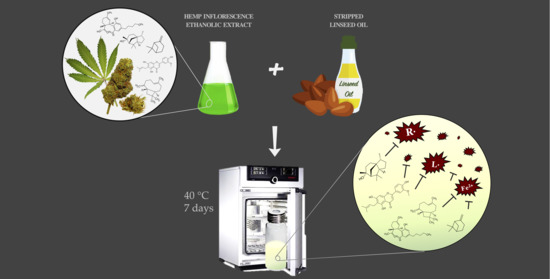
 “Cannabis has been used as a medicine for millennia. Prohibition in the mid-20th century precluded early scientific investigation.
 “Medical cannabis and individual cannabinoids, such as tetrahydrocannabinol (THC) and cannabidiol (CBD), are receiving growing attention in both the media and the scientific literature. The Cannabis plant, however, produces over 100 different cannabinoids, and cannabigerol (CBG) serves as the precursor molecule for the most abundant phytocannabinoids.
 “This article retraces the story of cannabis from the earliest contacts of humans with the plant to its subsequent global expansion, its medicinal uses, and the discovery of the endocannabinoid system in the 20th century. Cannabis was attested to around 12 000 years ago near the Altai Mountains in Central Asia, and since then, cannabis seeds have accompanied the migration of nomadic peoples. Records of the medicinal use of cannabis appear before the Common Era in China, Egypt, and Greece (Herodotus), and later in the Roman empire (Pliny the Elder, Dioscorides, Galen). In the 19th century, orientalists like Silvestre de Sacy, and Western physicians coming into contact with Muslim and Indian cultures, like O’Shaughnessy and Moreau de Tours, introduced the medicinal use of cannabis into Europe. The structure of the main psychoactive phytocannabinoid, tetrahydrocannabinol (THC), was determined in Israel by Mechoulam and Gaoni in 1964. This discovery opened the gate for many of the subsequent developments in the field of endocannabinoid system (ECS) research. The advances in the scientific knowledge of the ECS place the debate on cannabis liberalization in a new context.”
 “Introduction and objectives: Previous studies reveal conflicting data on the effect of cannabis use in patients with cirrhosis. This research evaluates the impact of cannabis on hepatic decompensation, health care utilization, and mortality in patients with cirrhosis.
 “Objective: To evaluate the use of a Cannabis sativa oil in the management of patients diagnosed with primary burning mouth syndrome (BMS).
 “The cannabinoid receptor subtype 2 (CB2R) represents an interesting and new therapeutic target for its involvement in the first steps of neurodegeneration as well as in cancer onset and progression.
 “Uterus transplantation is a complex surgical procedure. Uterine ischemia/reperfusion (IR) damage occurring in this process may cause loss of function in the uterus. Cell damage must be prevented for a healthy uterine function and successful transplantation.