
 “Cannabis-inspired medical products are garnering increasing attention from the scientific community, general public, and health policy makers. A plethora of scientific literature demonstrates intricate engagement of the endocannabinoid system with human immunology, psychology, developmental processes, neuronal plasticity, signal transduction, and metabolic regulation. Despite the therapeutic potential, the adverse psychoactive effects and historical stigma, cannabinoids have limited widespread clinical application. Therefore, it is plausible to weigh carefully the beneficial effects of cannabinoids against the potential adverse impacts for every individual. This is where the concept of “personalized medicine” as a promising approach for disease prediction and prevention may take into the account. The goal of this review is to provide an outline of the endocannabinoid system, including endocannabinoid metabolizing pathways, and will progress to a more in-depth discussion of the therapeutic interventions by endocannabinoids in various neurological disorders.”
https://pubmed.ncbi.nlm.nih.gov/32549916/
https://link.springer.com/article/10.1007%2Fs13167-020-00203-4
 “The phosphatidylinositol 3-kinase (PI3K)/protein kinase B (PKB/Akt)/mechanistic target of rapamycin (mTOR) signaling pathway has been associated with several pathologies in the central nervous system (CNS), including epilepsy. There is evidence supporting the hypothesis that the PI3Kγ signaling pathway may mediate the powerful anticonvulsant properties associated with the cannabinoidergic system.
 “A special component of cannabis, cannabidiol (CBD), is currently in the focus of epilepsy treatment and research. In this context, we investigated patients’ expectations and preferences pertaining to plant-derived versus synthetic formulation of cannabidiol, as well as their willingness to get this treatment.
 “Cannabinoids are the chemical compounds with a high affinity for cannabinoid receptors affecting the central nervous system through the release of neurotransmitters. However, the current knowledge related to the role of such compounds in the regulation of cellular aging is limited. This study aimed to investigate the effect of cannabidiol and tetrahydrocannabinol on the function of aged pancreatic islets.
 “Despite widespread legalization, the impact of medicinal cannabis use on patient-level health and quality of life (QOL) has not been carefully evaluated.
 “The worldwide prevalence of neurological and neurodegenerative disorders, such as depression or Alzheimer’s disease, has spread extensively throughout the last decades, becoming an enormous health issue.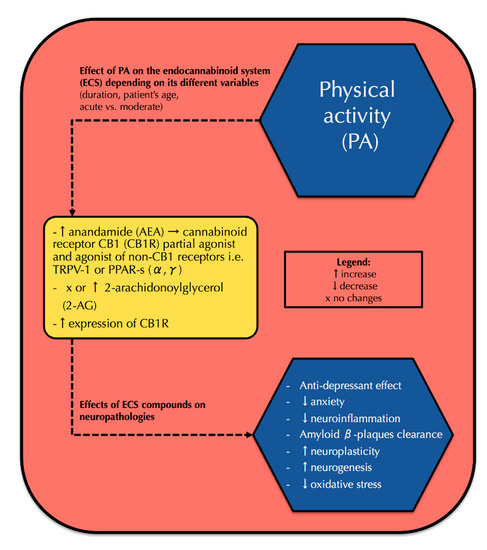
 “The emergence of multi-drug resistant bacteria such as methicillin-resistant Staphylococcus aureus (MRSA) causes a major threat to public health due to its limited therapeutic options.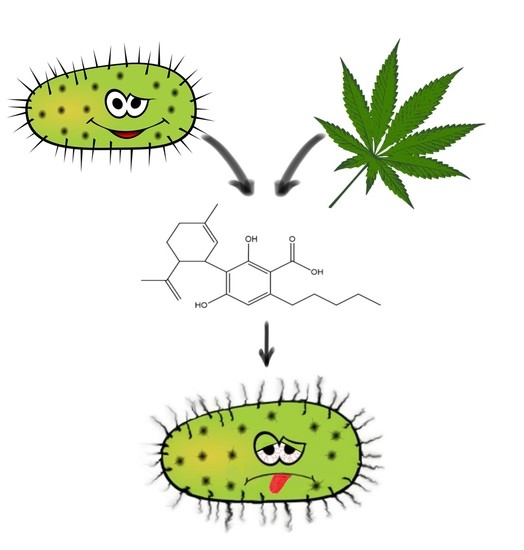
 “Parkinson’s Disease (PD) is currently the most rapid growing neurodegenerative disease and over the past generation, its global burden has more than doubled. The onset of PD can arise due to environmental, sporadic or genetic factors. Nevertheless, most PD cases have an unknown etiology.