Recent Cannabis Use in HIV Is Associated With Reduced Inflammatory Markers in CSF and Blood

 Home“Objective: To determine whether cannabis may reduce HIV-related persistent inflammation, we evaluated the relationship of cannabis use in people with HIV (PWH) to inflammatory cytokines in CSF and blood plasma.

Conclusions: Recent cannabis use was associated with lower levels of inflammatory biomarkers, both in CSF and blood, but in different patterns. These results are consistent with compartmentalization of immune effects of cannabis. The principal active components of cannabis are highly lipid soluble and sequestered in brain tissue; thus, our findings are consistent with specific anti-neuroinflammatory effects that may benefit HIV neurologic dysfunction.”

https://pubmed.ncbi.nlm.nih.gov/32554630/

https://nn.neurology.org/content/7/5/e809

Medical Cannabis for the Management of Pain and Quality of Life in Chronic Pain Patients: A Prospective Observational Study

Pain Medicine (Journal) by Oxford University Press

“Objective: To evaluate the short-term and long-term effects of plant-based medical cannabis in a chronic pain population over the course of one year.

Results: Medical cannabis treatment was associated with improvements in pain severity and interference (P < 0.001) observed at one month and maintained over the 12-month observation period. Significant improvements were also observed in the SF-12 physical and mental health domains (P < 0.002) starting at three months. Significant decreases in headaches, fatigue, anxiety, and nausea were observed after initiation of treatment (P ≤ 0.002). In patients who reported opioid medication use at baseline, there were significant reductions in oral morphine equivalent doses (P < 0.0001), while correlates of pain were significantly improved by the end of the study observation period.

Conclusions: Taken together, the findings of this study add to the cumulative evidence in support of plant-based medical cannabis as a safe and effective treatment option and potential opioid medication substitute or augmentation therapy for the management of symptoms and quality of life in chronic pain patients.”

https://pubmed.ncbi.nlm.nih.gov/32556203/

https://academic.oup.com/painmedicine/article-abstract/doi/10.1093/pm/pnaa163/5859722?redirectedFrom=fulltext

Antiemetic Effects of Cannabinoid Agonists in Nonhuman Primates

Journal of Pharmacology and Experimental Therapeutics“Attenuating emesis elicited by both disease and medical treatments of disease remains a critical public health challenge.

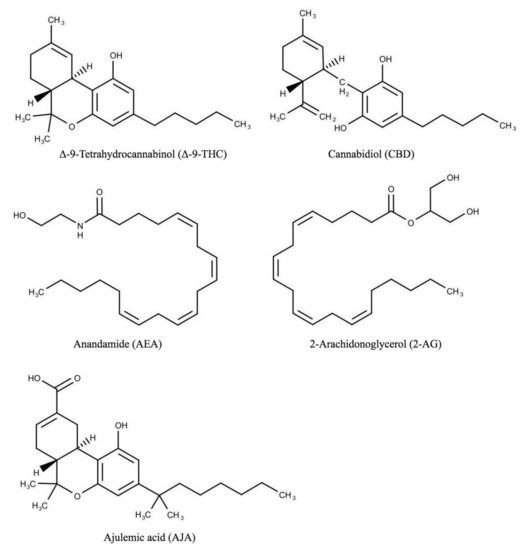
Although cannabinergic medications have been used in certain treatment-resistant populations, FDA-approved cannabinoid antiemetics are associated with undesirable side effects, including cognitive disruption, that limit their prescription. Previous studies have shown that a metabolically stable analog of the endocannabinoid anandamide, methanandamide (mAEA), may produce lesser cognitive disruption than that associated with the primary psychoactive constituent in cannabis, Δ9-tetrahydrocannabinol (Δ9-THC), raising the possibility that endocannabinoids may offer a therapeutic advantage over currently used medications.

The present studies were conducted to evaluate this possibility by comparing the antiemetic effects of Δ9-THC (0.032-0.1 mg/kg) and mAEA (3.2-10.0 mg/kg), against nicotine- and lithium chloride (LiCl)-induced emesis and prodromal hypersalivation in squirrel monkeys.

These studies systematically demonstrate for the first time the antiemetic effects of cannabinoid agonists in nonhuman primates. Importantly, although Δ9-THC produced superior antiemetic effects, the milder cognitive effects of mAEA demonstrated in previous studies suggests that it may provide a favorable treatment option under clinical circumstances in which antiemetic efficacy must be balanced against side-effect liability.

SIGNIFICANCE STATEMENT: Emesis has significant evolutionary value as a defense mechanism against ingested toxins; however, it is also one of the most common adverse symptoms associated with both disease and medical treatments of disease. The development of improved anti-emetic pharmacotherapies has been impeded by a paucity of animal models.

The present studies systematically demonstrate for the first time the antiemetic effects of the phytocannabinoid Δ9-tetrahydrocannabinol and endocannabinoid-analog methanandamide in nonhuman primates.”

https://pubmed.ncbi.nlm.nih.gov/32561684/

http://jpet.aspetjournals.org/content/early/2020/06/19/jpet.120.265710

Experiences With Medical Cannabis in the Treatment of Veterans With PTSD: Results From a Focus Group Discussion

 European Neuropsychopharmacology“Posttraumatic stress disorder (PTSD) is an often chronic condition for which currently available medications have limited efficacy.

Medical cannabis is increasingly used to treat patients with PTSD; however, evidence for the efficacy and safety of cannabinoids is scarce. To learn more about patients’ opinions on and experiences with medical cannabis, we organized a focus group discussion among military veterans (N = 7) with chronic PTSD who were treated with medical cannabis. Afterwards, some of their partners (N = 4) joined the group for an evaluation, during which they shared their perspective on their partner’s use of medical cannabis.

Both sessions were audio-recorded, transcribed verbatim, and analyzed by means of qualitative content analysis. Five overarching themes were identified. The first four themes related to the different phases of medical cannabis use – namely, 1) Consideration; 2) Initiation; 3) Usage; and 4) Discontinuation. The fifth theme related to several general aspects of medical cannabis use.

Patients used medical cannabis to manage their symptoms and did not experience an urge to “get high.” They used a variety of different cannabis strains and dosages and reported several therapeutic effects, including an increased quality of sleep. Furthermore, discussions about the experienced stigma surrounding cannabis generated insights with implications for the initiation of medical cannabis use.

These results underscore the value of qualitative research in this field and are relevant for the design of future clinical trials on the use of medical cannabis for the treatment of PTSD.”

https://pubmed.ncbi.nlm.nih.gov/32576481/

“Reported therapeutic effects ranged from reduced anger and irritability to increased sleep quality and reductions in nightmares and night sweats.”

https://www.sciencedirect.com/science/article/pii/S0924977X20301280?via%3Dihub

Chronic Cannabidiol Alters Genome-Wide DNA Methylation in Adult Mouse Hippocampus: Epigenetic Implications for Psychiatric Disease

Environmental and Molecular Mutagenesis“Cannabidiol (CBD) is the primary non-psychoactive compound found in cannabis (Cannabis sativa) and an increasingly popular dietary supplement as a result of widespread availability of CBD-containing products.

CBD is FDA-approved for the treatment of epilepsy and exhibits anxiolytic, antipsychotic, prosocial, and other behavioral effects in animal and human studies, however, the underlying mechanisms governing these phenotypes are still being elucidated. The epigenome, particularly DNA methylation, is responsive to environmental input and can govern persistent patterns of gene regulation affecting phenotype across the life course.

In order to understand the epigenomic activity of chronic cannabidiol exposure in the adult brain, 12-week-old male C57BL/6 mice were exposed to either 20 mg/kg CBD or vehicle daily by oral administration for fourteen days. Hippocampal tissue was collected and reduced-representation bisulfite sequencing (RRBS) was performed. Analyses revealed 3,323 differentially methylated loci (DMLs) in CBD-exposed animals with a small skew toward global hypomethylation.

Genes for cell adhesion and migration, dendritic spine development, and excitatory postsynaptic potential were found to be enriched in a gene ontology term analysis of DML-containing genes, and disease ontology enrichment revealed an overrepresentation of DMLs in gene sets associated with autism spectrum disorder, schizophrenia, and other phenotypes.

These results suggest that the epigenome may be a key substrate for CBD’s behavioral effects and provides a wealth of gene regulatory information for further study.”

https://pubmed.ncbi.nlm.nih.gov/32579259/

https://onlinelibrary.wiley.com/doi/abs/10.1002/em.22396

Cannabis Extract for the Treatment of Painful Tonic Spasms in a Patient With Neuromyelitis Optica Spectrum Disorder: A Case Report

Multiple Sclerosis and Related Disorders | Journal | ScienceDirect.com“Painful tonic spasm (PTS) is a common yet debilitating symptom in patients with neuromyelitis optica spectrum disorder (NMOSD), especially those with longitudinally extensive transverse myelitis. Although carbamazepine is an effective treatment, it poses the risk of severe adverse reactions, such as Steven-Johnson syndrome (SJS).

In this case report, we describe an NMOSD patient with severe PTS suffering from carbamazepine-induced SJS who responded well to cannabis extract. Since cannabinoids can ameliorate spasticity in an experimental autoimmune encephalomyelitis model through cannabinoid 1 (CB1) receptor activation, cannabis extract which includes delta-9-tetrahydrocannabinol (THC) is a potential treatment option for PTS in NMOSD patients.”

https://pubmed.ncbi.nlm.nih.gov/32559701/

“A cannabis extract has been approved for spasticity in multiple sclerosis (MS). Cannabis extract is a potential treatment for PTS in NMOSD patients.”

https://www.msard-journal.com/article/S2211-0348(20)30354-0/pdf

Non-opioid Analgesics and the Endocannabinoid System

 Balkan Medical Journal“Non-steroidal anti-inflammatory drugs (NSAIDs) are known to produce antinociceptive effects mainly through peripheral COX-inhibition. Paracetamol and dipyrone are different from classical NSAIDs, because they exert weak anti-inflammatory activity; mechanisms other than peripheral COX inhibition appear to play role in their antinociceptive actions. In this review, we specified classical NSAIDs, paracetamol and dipyrone as “non-opioid analgesics” and discussed the mechanisms mediating participation of the endocannabinoid system in the antinociceptive effects of these analgesics. Non-opioid analgesics and their metabolites may activate cannabinoid receptors. In addition, several mechanisms are implicated in the elevation of endocannabinoid levels following administration of non-opioid analgesics. Of these, reduction of endocannabinoid degradation via FAAH and/or COX-2 inhibition, accumulation of arachidonic acid to endocannabinoid biosynthesis following COX inhibition, inhibition of cellular uptake of endocannabinoids directly or following inhibition of nitric oxide synthase production, and induction of endocannabinoid release are among the proposed mechanisms.”

https://pubmed.ncbi.nlm.nih.gov/32551466/

http://balkanmedicaljournal.org/uploads/pdf/pdf_BMJ_2226.pdf

Targeting the Endocannabinoid System: A Predictive, Preventive, and Personalized Medicine-Directed Approach to the Management of Brain Pathologies

 SpringerLink“Cannabis-inspired medical products are garnering increasing attention from the scientific community, general public, and health policy makers. A plethora of scientific literature demonstrates intricate engagement of the endocannabinoid system with human immunology, psychology, developmental processes, neuronal plasticity, signal transduction, and metabolic regulation. Despite the therapeutic potential, the adverse psychoactive effects and historical stigma, cannabinoids have limited widespread clinical application. Therefore, it is plausible to weigh carefully the beneficial effects of cannabinoids against the potential adverse impacts for every individual. This is where the concept of “personalized medicine” as a promising approach for disease prediction and prevention may take into the account. The goal of this review is to provide an outline of the endocannabinoid system, including endocannabinoid metabolizing pathways, and will progress to a more in-depth discussion of the therapeutic interventions by endocannabinoids in various neurological disorders.”

https://pubmed.ncbi.nlm.nih.gov/32549916/

https://link.springer.com/article/10.1007%2Fs13167-020-00203-4

Cannabidiol Anticonvulsant Effect Is Mediated by the PI3Kγ Pathway

Neuropharmacology“The phosphatidylinositol 3-kinase (PI3K)/protein kinase B (PKB/Akt)/mechanistic target of rapamycin (mTOR) signaling pathway has been associated with several pathologies in the central nervous system (CNS), including epilepsy. There is evidence supporting the hypothesis that the PI3Kγ signaling pathway may mediate the powerful anticonvulsant properties associated with the cannabinoidergic system.

This work aims to investigate if the anticonvulsant and neuroprotective effects of cannabidiol (CBD) are mediated by PI3Kγ.

CDB increased latency and reduced the severity of pilocarpine-induced behavioral seizures, as well as prevented postictal changes, such as neurodegeneration, microgliosis and astrocytosis, in WT animals, but not in PI3Kγ-/-. CBD in vivo effects were abolished by pharmacological inhibition of cannabinoid receptor or mTOR. In vitro, PI3Kγ inhibition or deficiency also changed CBD protection observed in glutamate-induced cell death assay. Thus, we suggest that the modulation of PI3K/mTOR signaling pathway is involved in the anticonvulsant and neuroprotective effects of CBD.

These findings are important not only for the elucidation of the mechanisms of action of CBD, which are currently poorly understood, but also to allow the prediction of therapeutic and side effects, ensuring efficacy and safety in the treatment of patients with epilepsy.”

https://pubmed.ncbi.nlm.nih.gov/32574650/

“CBD is anticonvulsant in a model of pilocarpine-induced behavioral seizures. CB1 receptor mediates the effects of CBD. PI3Kγ pathway mediates the anticonvulsant neuroprotective effects of CBD.”

https://www.sciencedirect.com/science/article/abs/pii/S0028390820302240?via%3Dihub

Current Application of Cannabidiol (CBD) in the Management and Treatment of Neurological Disorders

SpringerLink“Cannabidiol (CBD), which is nonintoxicating pharmacologically relevant constituents of Cannabis, demonstrates several beneficial effects. It has been found to have antioxidative, anti-inflammatory, and neuroprotective effects. As the medicinal use of CBD is gaining popularity for treatment of various disorders, the recent flare-up of largely unproven and unregulated cannabis-based preparations on medical therapeutics may have its greatest impact in the field of neurology. Currently, as lot of clinical trials are underway, CBD demonstrates remarkable potential to become a supplemental therapy in various neurological conditions. It has shown promise in the treatment of neurological disorders such as anxiety, chronic pain, trigeminal neuralgia, epilepsy, and essential tremors as well as psychiatric disorders. While recent FDA-approved prescription drugs have demonstrated safety, efficacy, and consistency enough for regulatory approval in spasticity in multiple sclerosis (MS) and in Dravet and Lennox-Gastaut Syndromes (LGS), many therapeutic challenges still remain. In the current review, the authors have shed light on the application of CBD in the management and treatment of various neurological disorders.”

https://pubmed.ncbi.nlm.nih.gov/32556748/

https://link.springer.com/article/10.1007%2Fs10072-020-04514-2