
 “Cannabinoids are the chemical compounds with a high affinity for cannabinoid receptors affecting the central nervous system through the release of neurotransmitters. However, the current knowledge related to the role of such compounds in the regulation of cellular aging is limited. This study aimed to investigate the effect of cannabidiol and tetrahydrocannabinol on the function of aged pancreatic islets.
Main methods: The expression of p53, p38, p21, p16, and Glut2 genes and β-galactosidase activity were measured as hallmarks of cell aging applying real-time PCR, ELISA, and immunocytochemistry techniques. Pdx1 protein expression, insulin release, and oxidative stress markers were compared between young and aged rat pancreatic islet cells.
Key findings: Upon the treatment of aged pancreatic islets cells with cannabidiol and tetrahydrocannabinol, the expression of p53, p38, p21 and the activity of β-galactosidase were reduced. Cannabidiol and tetrahydrocannabinol increase insulin release, Pdx1, Glut2, and thiol molecules expression, while the oxidative stress parameters were decreased. The enhanced expression of Pdx1 and insulin release in aged pancreatic islet cells reflects the extension of cell healthy aging due to the significant reduction of ROS.
Significance: This study provides evidence for the involvement of cannabidiol and tetrahydrocannabinol in the oxidation process of cellular aging.”
https://pubmed.ncbi.nlm.nih.gov/32553926/
https://www.sciencedirect.com/science/article/abs/pii/S0024320520307190?via%3Dihub
“Reactive oxygen species (ROS) are chemically reactive chemical species containing oxygen. ROS can damage lipid, DNA, RNA, and proteins, which, in theory, contributes to the physiology of aging.” https://en.wikipedia.org/wiki/Reactive_oxygen_species
 “Despite widespread legalization, the impact of medicinal cannabis use on patient-level health and quality of life (QOL) has not been carefully evaluated.
 “We report our preliminary findings regarding effectiveness, safety, and tolerability of cannabidiol (CBD) added to antiepileptic therapy in a cohort of children with drug-resistant epileptic encephalopathies (EEs) with a mean follow-up of 8.5 months (range, 3-12 months).
 “The worldwide prevalence of neurological and neurodegenerative disorders, such as depression or Alzheimer’s disease, has spread extensively throughout the last decades, becoming an enormous health issue.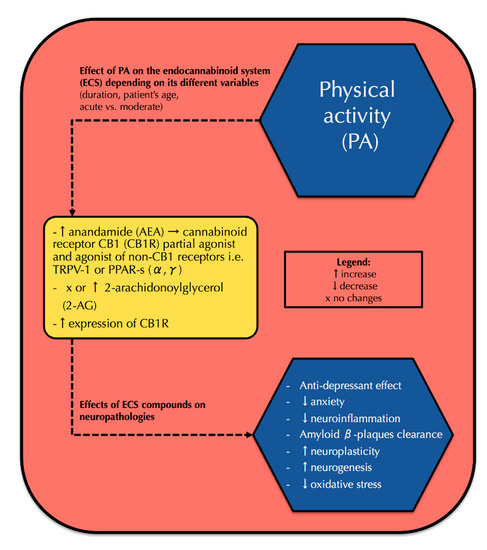
 “The emergence of multi-drug resistant bacteria such as methicillin-resistant Staphylococcus aureus (MRSA) causes a major threat to public health due to its limited therapeutic options.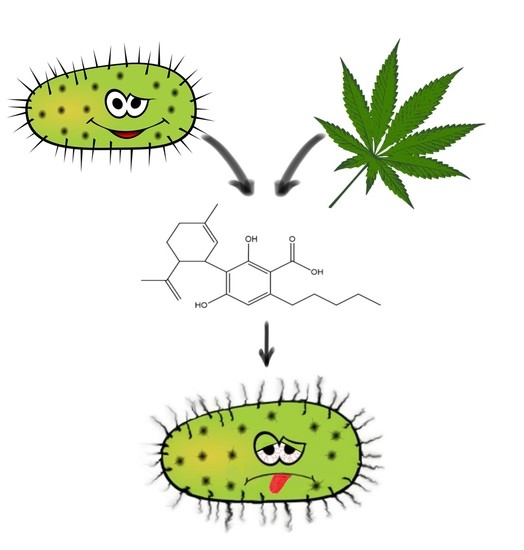
 “Parkinson’s Disease (PD) is currently the most rapid growing neurodegenerative disease and over the past generation, its global burden has more than doubled. The onset of PD can arise due to environmental, sporadic or genetic factors. Nevertheless, most PD cases have an unknown etiology.
 ‘T-cell acute lymphoblastic leukemia (T-ALL) is a highly heterogeneous malignant hematological disorder arising from T-cell progenitors.
 “Irritable bowel syndrome (IBS) is a frequent cause of abdominal pain and altered bowel habits, which is associated with significant healthcare utilization.
 “Medical cannabis (MC) treatment for migraine is practically emerging, although sufficient clinical data are not available for this indication. This cross-sectional questionnaire-based study aimed to investigate the associations between phytocannabinoid treatment and migraine frequency.