
 “Mood disorders are the most prevalent mental conditions encountered in psychiatric practice. Numerous patients suffering from mood disorders present with treatment-resistant forms of depression, co-morbid anxiety, other psychiatric disorders and bipolar disorders.
Standardized essential oils (such as that of Lavender officinalis) have been shown to exert clinical efficacy in treating anxiety disorders. As endocannabinoids are suggested to play an important role in major depression, generalized anxiety and bipolar disorders, Cannabis sativa, was suggested for their treatment.
The endocannabinoid system is widely distributed throughout the body including the brain, modulating many functions. It is involved in mood and related disorders, and its activity may be modified by exogenous cannabinoids.
CB1 and CB2 receptors primarily serve as the binding sites for endocannabinoids as well as for phytocannabinoids, produced by cannabis inflorescences. However, ‘cannabis’ is not a single compound product but is known for its complicated molecular profile, producing a plethora of phytocannabinoids alongside a vast array of terpenes.
Thus, the “entourage effect” is the suggested positive contribution derived from the addition of terpenes to cannabinoids. Here we review the literature on the effects of cannabinoids and discuss the possibility of enhancing cannabinoid activity on psychiatric symptoms by the addition of terpenes and terpenoids.
Possible underlying mechanisms for the anti-depressant and anxiolytic effects are reviewed. These natural products may be an important potential source for new medications for the treatment of mood and anxiety disorders.”
 “Posttraumatic stress disorder (PTSD) is a potentially debilitating mental health problem.


 “Chronic allograft dysfunction (CAD), defined as the replacement of functional renal tissue by extracellular matrix proteins, remains the first cause of graft loss.
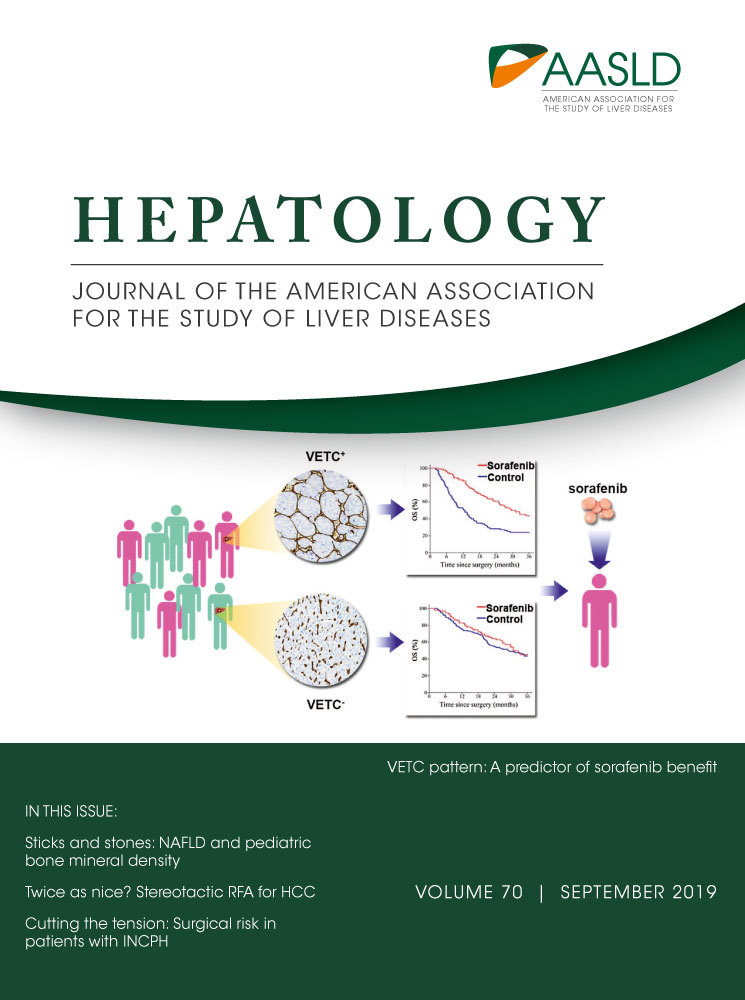 “Hepatic cardiomyopathy, a special type of heart failure develops in up to 50% of patients with cirrhosis and is a major determinant of survival. However, there is no reliable model of hepatic cardiomyopathy in mice. Herein we aimed to characterize the detailed hemodynamics of mice with bile-duct ligation (BDL)-induced liver fibrosis, by monitoring echocardiography and intracardiac pressure-volume (PV) relationships and myocardial structural alterations. Treatment of mice with a selective
  “Much of the initial reports for
  “The neurodegeneration, neuro-inflammation and mitochondrial dysfunction which occur by methamphetamine (METH) abuse or administration are serious and motivation therapeutic approaches for inhibition of these types of neurodegeneration. As we know, METH through Toll-like receptors (TLRs), specially type 4, and NF-κB signaling pathway causes neuro-inflammation and mitochondrial dysfunction.
 “Both types of