
 “The legalisation of cannabis in a growing number of jurisdictions has led to increasing interest in its potential therapeutic effects in a range of disorders, including cutaneous conditions. Cannabinoids have been used as natural medicines for centuries; however, their biological activity in the skin is a new area of study.
Recent data suggest that cannabinoids are involved in neuro-immuno-endocrine modulation of skin functioning, yet their effect on the features of dermatologic conditions is unclear. This article sought to review the mechanisms by which cannabinoids regulate skin functioning through the lens of relevance to treatment of dermatologic diseases looking at the effects of cannabinoids on a range of cellular activities and dermatologic conditions both in vitro and in vivo.
We identified studies demonstrating an inhibitory effect of cannabinoids on skin inflammation, proliferation, fibrosis, pain, and itch-biological mechanisms involved in the pathogenesis of many dermatologic conditions.
Cannabinoids have the potential to expand the therapeutic repertoire of a wide spectrum of skin disorders. Given their widespread unregulated use by the general public, basic and clinical studies are required to elucidate the effectiveness and long-term effects of topical and systemic cannabinoids in cutaneous disorders.”

 “Radiotherapy combined with chemotherapy is the major treatment modality for human glioblastoma multiforme (GBM). GBMs eventually relapse after treatment and the average survival of GBM patients is less than two years.
 “Highly purified
  “In this report, we present a case of a 16,9-year-old patient with multiple substance use disorder (
 “Patients with non-small cell lung cancer (NSCLC) develop resistance to antitumor agents by mechanisms that involve the epithelial-to-mesenchymal transition (EMT). This necessitates the development of new complementary drugs, e.g.,
  “The endocannabinoid system (ES) is a cell-signalling system widely distributed in biological tissues that includes endogenous ligands, receptors, and biosynthetic and hydrolysing machineries.
 “Plant phytochemicals have potential decontaminating properties, however, their role in the amelioration of hydrophobic water filtration membranes have not been elucidated yet.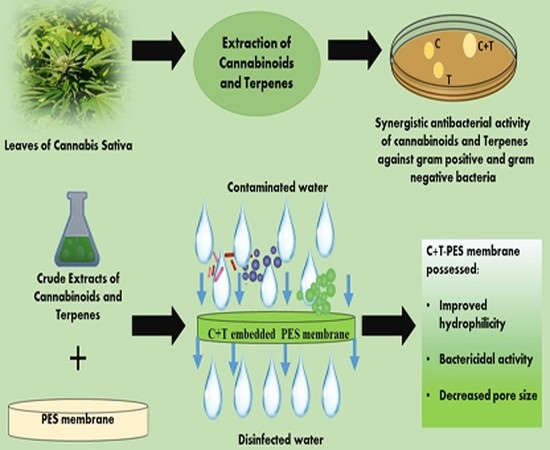
 “Novel anticancer medicines, including targeted therapies and immune checkpoint inhibitors, have greatly improved the management of cancers. However, both conventional and new anticancer treatments induce cardiac adverse effects, which remain a critical issue in clinic.
 “Dravet syndrome (DS) is one of the most severe forms of drug-resistant epilepsy and available interventions fail to control seizures in most patients.