
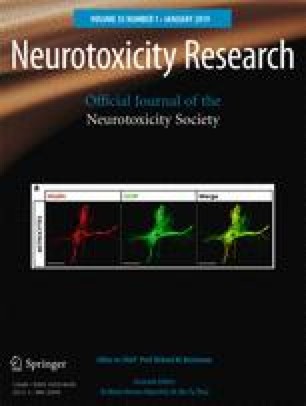
“The cannabinoid system has the ability to modulate cellular and molecular mechanisms, including excitotoxicity, oxidative stress, apoptosis, and inflammation, acting as a neuroprotective agent, by its relationship with signaling pathways associated to the control of cell proliferation, differentiation, and survival. Recent reports have raised new perspectives on the possible role of cannabinoid system in neurodegenerative diseases like Alzheimer disease’s (AD).
Our study has demonstrated a participation of the cannabinoid system in cellular survival, involving the CB1 receptor, which occurs by positive regulation of the anti-apoptotic proteins, suggesting the participation of this system in neurodegenerative processes. Our data suggest that the cannabinoid system is an interesting therapeutic target for the treatment of neurodegenerative diseases.”
https://www.ncbi.nlm.nih.gov/pubmed/30607903
https://link.springer.com/article/10.1007%2Fs12640-018-9991-2



 “Ocular pathologies and blindness have been linked to circadian disorders. In previous studies, our group has demonstrated that retinitis pigmentosa is associated with degenerative changes in the melanopsin system and weaker circadian patterns.
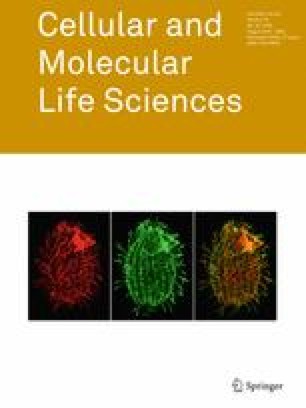

 “Glioblastoma multiforme (GBM) is the most common and aggressive form of primary malignant brain tumor in adults, with poor prognosis. Extracellular vesicles (EVs) are key-mediators for cellular communication through transfer of proteins and genetic material. Cancers, such as GBM, use EV release for drug-efflux, pro-oncogenic signaling, invasion and immunosuppression; thus the modulation of EV release and cargo is of considerable clinical relevance. As EV-inhibitors have been shown to increase sensitivity of cancer cells to chemotherapy, and we recently showed that