
Bioactivities of alternative protein sources and their potential health benefits.
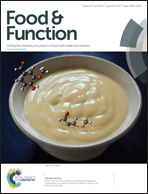
“Increasing the utilisation of plant proteins is needed to support the production of protein-rich foods that could replace animal proteins in the human diet so as to reduce the strain that intensive animal husbandry poses to the environment. Lupins, quinoa and hempseed are significant sources of energy, high quality proteins, fibre, vitamins and minerals. In addition, they contain compounds such as polyphenols and bioactive peptides that can increase the nutritional value of these plants. From the nutritional standpoint, the right combination of plant proteins can supply sufficient amounts of essential amino acids for human requirements. This review aims at providing an overview of the current knowledge of the nutritional properties, beneficial and non-nutritive compounds, storage proteins, and potential health benefits of lupins, quinoa and hempseed.”
Hempseed Peptides Exert Hypocholesterolemic Effects with a Statin-Like Mechanism.

“This study had the objective of preparing a hempseed protein hydrolysate and investigating its hypocholesterolemic properties. The hydrolysate was prepared treating a total protein extract with pepsin. Nano HPLC-ESI-MS/MS analysis permitted identifying in total 90 peptides belonging to 33 proteins. In the range 0.1-1.0 mg/mL, it inhibited the catalytic activity of 3-hydroxy-3-methylglutaryl coenzyme A reductase (HMGCoAR) in a dose-dependent manner. HepG2 cells were treated with 0.25, 0.5, and 1.0 mg/mL of the hydrolysate. Immunoblotting detection showed increments in the protein levels of regulatory element binding proteins 2 (SREBP2), low-density lipoprotein receptor (LDLR), and HMGCoAR. However, the parallel activation of the phospho-5′-adenosine monophosphate-activated protein kinase (AMPK) pathway, produced an inactivation of HMGCoAR by phosphorylation. The functional ability of HepG2 cells to uptake extracellular LDL was raised by 50.5 ± 2.7%, 221.5 ± 1.6%, and 109 ± 3.5%, respectively, versus the control at 0.25, 0.5, and 1.0 mg/mL concentrations. Finally, also a raise of the protein level of proprotein convertase subtilisin/kexintype 9 was observed. All of these data suggest that the mechanism of action has some similarity with that of statins.”
Human serum albumin: A modulator of cannabinoid drugs.

“The endocannabinoid system is a unique neuromodulatory system that affects a wide range of biological processes and maintains the homeostasis in all mammal body systems. In recent years, several pharmacological tools to target endocannabinoid neurotransmission have been developed, including direct and indirect cannabinoid agonists and cannabinoid antagonists. Due to their hydrophobic nature, cannabinoid agonists and antagonists need to bind specific transporters to allow their distribution in body fluids. Human serum albumin (HSA), the most abundant plasma protein, is a key determinant of drug pharmacokinetics. As HSA binds both the endocannabinoid anandamide and the active ingredient of Cannabis sativa, Δ-9-tetrahydrocannabinol, we hypothesize that HSA can be the most important carrier of cannabinoid drugs. In silico docking observations strongly indicate that HSA avidly binds the indirect cannabinoid agonists URB597, AM5206, JZL184, JZL195, and AM404, the direct cannabinoid agonists WIN55,212-2 and CP55,940, and the prototypical cannabinoid antagonist/inverse agonist SR141716. Values of the free energy for cannabinoid drugs binding to HSA range between -5.4 kcal mol-1 and -10.9 kcal mol-1 . Accounting for the HSA concentration in vivo (∼ 7.5 × 10⁻⁴ M), values of the free energy here determined suggest that the formation of the HSA:cannabinoid drug complexes may occur in vivo. Therefore, HSA appears to be an important determinant for cannabinoid efficacy and may guide the choice of the drug dose regimen to optimize drug efficacy and to avoid drug-related toxicity. ”
https://www.ncbi.nlm.nih.gov/pubmed/28976704
http://onlinelibrary.wiley.com/doi/10.1002/iub.1682/abstract
The Current Landscape of Marijuana and Pharmacogenetics.

“The treatment of medical conditions with cannabis and cannabinoid compounds is advancing.
Although there are numerous reports related to the genetic variations of the cannabinoid receptor, a lack of studies that examine the relationship between other pharmacogenetic markers and health outcomes currently exists.
Herein, we advocate for the legalization of marijuana in the United States in order to perform more randomized controlled trials to help elucidate the role of other pharmacogenetic targets and cannabis for use in clinical practice.”
https://www.ncbi.nlm.nih.gov/pubmed/28975060
https://www.cureus.com/articles/8321-the-current-landscape-of-marijuana-and-pharmacogenetics
Cannabidiol attenuates seizures and social deficits in a mouse model of Dravet syndrome.

“Worldwide medicinal use of cannabis is rapidly escalating, despite limited evidence of its efficacy from preclinical and clinical studies. Here we show that cannabidiol (CBD) effectively reduced seizures and autistic-like social deficits in a well-validated mouse genetic model of Dravet syndrome (DS), a severe childhood epilepsy disorder caused by loss-of-function mutations in the brain voltage-gated sodium channel NaV1.1.
The duration and severity of thermally induced seizures and the frequency of spontaneous seizures were substantially decreased. Treatment with lower doses of CBD also improved autistic-like social interaction deficits in DS mice.
Phenotypic rescue was associated with restoration of the excitability of inhibitory interneurons in the hippocampal dentate gyrus, an important area for seizure propagation. Reduced excitability of dentate granule neurons in response to strong depolarizing stimuli was also observed.
The beneficial effects of CBD on inhibitory neurotransmission were mimicked and occluded by an antagonist of GPR55, suggesting that therapeutic effects of CBD are mediated through this lipid-activated G protein-coupled receptor.
Our results provide critical preclinical evidence supporting treatment of epilepsy and autistic-like behaviors linked to DS with CBD. We also introduce antagonism of GPR55 as a potential therapeutic approach by illustrating its beneficial effects in DS mice.
Our study provides essential preclinical evidence needed to build a sound scientific basis for increased medicinal use of CBD.”
Is cannabis an effective treatment for joint pain?

“Cannabis has been used to treat pain for thousands of years.
However, since the early part of the 20th century, laws restricting cannabis use have limited its evaluation using modern scientific criteria. Over the last decade, the situation has started to change because of the increased availability of cannabis in the United States for either medical or recreational purposes, making it important to provide the public with accurate information as to the effectiveness of the drug for joint pain among other indications.
The major psychotropic component of cannabis is Δ9-tetrahydrocannabinol (THC), one of some 120 naturally occurring phytocannabinoids. Cannabidiol (CBD) is another molecule found in herbal cannabis in large amounts. Although CBD does not produce psychotropic effects, it has been shown to produce a variety of pharmacological effects. Hence, the overall effects of herbal cannabis represent the collective activity of THC, CBD and a number of minor components.
The action of THC is mediated by two major G-protein coupled receptors, cannabinoid receptor type 1 (CB1) and CB2, and recent work has suggested that other targets may also exist. Arachidonic acid derived endocannabinoids are the normal physiological activators of the two cannabinoid receptors.
Natural phytocannabinoids and synthetic derivatives have produced clear activity in a variety of models of joint pain in animals. These effects are the result of both inhibition of pain pathway signalling (mostly CB1) and anti-inflammatory effects (mostly CB2). There are also numerous anecdotal reports of the effectiveness of smoking cannabis for joint pain.
Indeed, it is the largest medical request for the use of the drug. However, these reports generally do not extend to regulated clinical trials for rheumatic diseases. Nevertheless, the preclinical and human data that do exist indicate that the use of cannabis should be taken seriously as a potential treatment of joint pain.”
Activation of type 2 cannabinoid receptor (CB2R) by selective agonists regulates the deposition and remodelling of the extracellular matrix.

“Remodelling of the extracellular matrix and accumulation of fibronectin and collagen type I play critical roles in scar formation following glaucoma filtration surgery. The transforming growth factor β1 (TGF-β1) signal transduction pathway is involved in this process in human Tenon’s fibroblasts (HTFs).
The type 2 cannabinoid receptor (CB2R) is an important member of the cannabinoidreceptor family of G protein-coupled receptors. In this study, we investigated the effects of the CB2R agonists HU308 and JWH133 on the deposition of newly formed extracellular matrix (ECM) and the contractility of HTFs.
CB2R was expressed in HTFs. Notably, the CB2R agonists HU308 and JWH133 ameliorated TGF-β1-induced generation of fibronectin, types I and III collagen, and the expression of matrix metalloproteinase 1 (MMP-1) and MMP-3. In addition, the CB2R agonists HU308 and JWH133 ameliorated TGF-β1-induced matrix contraction and remodelling in a dose- and time-dependent manner, respectively. HU308 and JWH133 also suppressed the TGF-β1-induced activation of mitogen-activated protein kinases (MAPKs), including extracellular signal-regulated kinase 1/2 (ERK1/2), p38, and c-Jun N-terminal kinase (JNK).
Based on our results, agonistic activation of CB2R exerts a protective effect on scarring during the healing of wounds from glaucoma filtration surgery.”
Cannabidiol and Palmitoylethanolamide are anti-inflammatory in the acutely inflamed human colon.
 “We sought to quantify the anti-inflammatory effects of two cannabinoid drugs: cannabidiol (CBD) and palmitoylethanolamide (PEA), in cultured cell lines and compared this effect with experimentally inflamed explant human colonic tissue. These effects were explored in acutely and chronically inflamed colon, using inflammatory bowel disease and appendicitis explants.
Results: IFNγ and TNFα treatment increased phosphoprotein and cytokine levels in Caco-2 cultures and colonic explants. Phosphoprotein levels were significantly reduced by PEA or CBD in Caco-2 cultures and colonic explants. CBD and PEA prevented increases in cytokine production in explant colon, but not in Caco-2 cells. CBD effects were blocked by the CB2antagonist AM630 and TRPV1 antagonist SB366791. PEA effects were blocked by the PPARα antagonist GW6471. PEA and CBD were anti-inflammatory in IBD and appendicitis explants.
Conclusion: PEA and CBD are anti-inflammatory in the human colon. This effect is not seen in cultured epithelial cells. Appropriately sized clinical trials should assess their efficacy.”
Synergistic interaction of the cannabinoid and death receptor systems: A potential target for future cancer therapies?
“Cannabinoid receptors have been shown to interact with other receptors, including Tumor Necrosis Factor Receptor Superfamily (TNFRS) members, to induce cancer cell death. When cannabinoids and death-inducing ligands (including TRAIL) are administered together, they have been shown to synergize and demonstrate enhanced antitumor activity in vitro. Certain cannabinoid ligands have been shown to sensitize cancer cells and synergistically interact with members of the TNFRS, thus suggesting that the combination of cannabinoids with death receptor (DR) ligands induces additive or synergistic tumor cell death. This review summarizes recent findings on the interaction of the cannabinoid and DR systems and suggests possible clinical co-application of cannabinoids and DR ligands in the treatment of various malignancies.” https://www.ncbi.nlm.nih.gov/pubmed/28948607 http://onlinelibrary.wiley.com/doi/10.1002/1873-3468.12863/abstract?systemMessage=Wiley+Online+Library+will+be+unavailable+on+Saturday+7th+Oct+from+03.00+EDT+%2F+08%3A00+BST+%2F+12%3A30+IST+%2F+15.00+SGT+to+08.00+EDT+%2F+13.00+BST+%2F+17%3A30+IST+%2F+20.00+SGT+and+Sunday+8th+Oct+from+03.00+EDT+%2F+08%3A00+BST+%2F+12%3A30+IST+%2F+15.00+SGT+to+06.00+EDT+%2F+11.00+BST+%2F+15%3A30+IST+%2F+18.00+SGT+for+essential+maintenance.+Apologies+for+the+inconvenience+caused+.]]>