Cannabis has been shown to kill cancer cells


“The use of Cannabis for medicinal purposes dates back to ancient times.” http://www.cancer.gov/cancertopics/pdq/cam/cannabis/patient/page1

“Cannabis has been used for medicinal purposes for thousands of years.” http://www.cancer.gov/cancertopics/pdq/cam/cannabis/healthprofessional/page1

“The use of Cannabis for medicinal purposes dates back at least 3,000 years. It came into use in Western medicine in the 19th century and was said to relieve pain, inflammation, spasms, and convulsions.” http://www.cancer.gov/cancertopics/pdq/cam/cannabis/patient/page2

“Cannabis has been shown to kill cancer cells in the laboratory”  http://www.cancer.gov/cancertopics/pdq/cam/cannabis/patient/page1

“…cannabinoids may be able to kill cancer cells while protecting normal cells…

A laboratory study of delta-9-THC… showed that it damaged or killed the cancer cells…

A laboratory study of cannabidiol… showed that it caused cancer cell death…” http://www.cancer.gov/cancertopics/pdq/cam/cannabis/patient/page2

“Cannabinoids appear to kill tumor cells but do not effect their nontransformed counterparts and may even protect them from cell death.” http://www.cancer.gov/cancertopics/pdq/cam/cannabis/healthprofessional/page4

“Because cannabinoid receptors, unlike opioid receptors, are not located in the brainstem areas controlling respiration, lethal overdoses from Cannabis and cannabinoids do not occur.” http://www.cancer.gov/cancertopics/pdq/cam/cannabis/healthprofessional/page6
http://www.thctotalhealthcare.com/category/cancer/

Intrathecal Injection of JWH-015 Attenuates Bone Cancer Pain Via Time-Dependent Modification of Pro-inflammatory Cytokines Expression and Astrocytes Activity in Spinal Cord.

“Cannabinoid receptor type 2 (CB2) agonists display potential analgesic effects in acute and neuropathic pain.

Overall, our results provided evidences for the persistent participation of inflammation reaction in the progression of bone cancer pain, and demonstrated that JWH-015 reduced the expression of IL-1β, IL-6, IL-18, and TNF-α and inhibited astrocytes activation in a time-dependent manner, thereby displaying an analgesic effect.”

Attenuation of morphine antinociceptive tolerance by cannabinoid CB1 and CB2 receptor antagonists.

“Cannabinoid CB1 and CB2 receptor antagonists may be useful for their potential to increase or prolong opioid analgesia while attenuating the development of opioid tolerance.

The aim of this study was to investigate the effects of AM251 (a selective CB1 antagonist) and JTE907 (a selective CB2 antagonist) on morphine analgesia and tolerance in rats…

In conclusion, we observed that co-injection of AM251 and JTE907 with morphine attenuated expression of tolerance to morphine analgesic effects and decreased the morphine analgesia.”

http://www.ncbi.nlm.nih.gov/pubmed/25894754

The effect of FAAH, MAGL, and Dual FAAH/MAGL inhibition on inflammatory and colorectal distension-induced visceral pain models in Rodents.

“Recent studies showed that the pharmacological inhibition of endocannabinoid degrading enzymes such as fatty acid amide hydrolase (FAAH) and monoacyl glycerol lipase (MAGL) elicit promising analgesic effects in a variety of nociceptive models without serious side effects…

The selective FAAH inhibitor and dual FAAH/MAGL inhibitors were effective in both inflammatory and mechanically evoked visceral pain, while the MAGL inhibitor elicited an analgesic effect in inflammatory, but not in distension-induced, visceral pain.”

http://www.ncbi.nlm.nih.gov/pubmed/25869205

The role of the endocannabinoid system in pain.

“Preparations of the Cannabis sativa plant have been used to analgesic effect for millenia, but only in recent decades has the endogenous system responsible for these effects been described.

The endocannabinoid (EC) system is now known to be one of the key endogenous systems regulating pain sensation, with modulatory actions at all stages of pain processing pathways.

The EC system is composed of two main cannabinoid receptors (CB1 and CB2) and two main classes of endogenous ligands or endocannabinoids (ECs).

The receptors have distinct expression profiles, with CB1 receptors found at presynaptic sites throughout the peripheral and central nervous systems (PNS and CNS, respectively), whilst CB2 receptor is found principally (but not exclusively) on immune cells.

The endocannabinoid ligands are lipid neurotransmitters belonging to either the N-acyl ethanolamine (NAEs) class, e.g. anandamide (AEA), or the monoacylglycerol class, e.g. 2-arachidonoyl glycerol (2-AG).

Both classes are short-acting transmitter substances, being synthesised on demand and with signalling rapidly terminated by specific enzymes. ECs acting at CB1 negatively regulate neurotransmission throughout the nervous system, whilst those acting at CB2 regulate the activity of CNS immune cells.

Signalling through both of these receptor subtypes has a role in normal nociceptive processing and also in the development resolution of acute pain states.

In this chapter, we describe the general features of the EC system as related to pain and nociception and discuss the wealth of preclinical and clinical data involving targeting the EC system with focus on two areas of particular promise: modulation of 2-AG signalling via specific enzyme inhibitors and the role of spinal CB2 in chronic pain states.”

http://www.ncbi.nlm.nih.gov/pubmed/25846617

http://www.thctotalhealthcare.com/category/pain-2/

Cannabinoids for the Treatment of Chronic Non-Cancer Pain: An Updated Systematic Review of Randomized Controlled Trials.

“An updated systematic review of randomized controlled trials examining cannabinoids in the treatment of chronic non-cancer pain was conducted according to PRISMA guidelines for systematic reviews reporting on health care outcomes.

Eleven trials published since our last review met inclusion criteria.

The quality of the trials was excellent.

Seven of the trials demonstrated a significant analgesic effect.

Several trials also demonstrated improvement in secondary outcomes (e.g., sleep, muscle stiffness and spasticity).

Adverse effects most frequently reported such as fatigue and dizziness were mild to moderate in severity and generally well tolerated.

This review adds further support that currently available cannabinoids are safe, modestly effective analgesics that provide a reasonable therapeutic option in the management of chronic non-cancer pain.”

http://www.ncbi.nlm.nih.gov/pubmed/25796592

http://www.thctotalhealthcare.com/category/pain-2/

Emerging targets and therapeutic approaches for the treatment of osteoarthritis pain.

“Osteoarthritis is a complex and often painful disease that is inadequately controlled with current analgesics. This review discusses emerging targets and therapeutic approaches that may lead to the development of better analgesics…

Aberrant excitability in peripheral and central pain pathways drives osteoarthritis pain, reversing this via modulation of nerve growth factor, voltage-gated sodium channel, voltage-gated calcium channel and transient receptor potential vanilloid one activity, and increasing inhibitory mechanisms through modulation of cannabinoid and descending modulatory systems hold promise for osteoarthritis pain therapy.”

http://www.ncbi.nlm.nih.gov/pubmed/25730180

http://www.thctotalhealthcare.com/category/osteoarthritis/


Simultaneous inhibition of fatty acid amide hydrolase (FAAH) and monoacylglycerol lipase (MAGL) shares discriminative stimulus effects with ∆9-THC in mice.

“Δ9 -tetrahydrocannabinol (∆9 -THC) is a cannabinoid CB1 /CB2 receptor agonist that produces therapeutic effects such as analgesia and anti-emetic effects…

Collectively, the current results show that pharmacological increases in endogenous AEA and 2-AG simultaneously through inhibition of FAAH and MAGL, respectively, mimics the discriminative stimulus effects of Δ9 -THC.”

http://jpet.aspetjournals.org/content/early/2015/02/24/jpet.115.222836.long

Are Cannabinoids Effective for Orofacial Pain States?

“…there is increasing attention being given in the media as well as in the biomedical sciences to the use as analgesic agents of the crude extracts of plants of the genus Cannabis (eg, marijuana) and their active ingredient delta 9-tetrahydrocannabinol (Δ9-THC).

These cannabinoid compounds have been reported in the biomedical literature to be beneficial in the treatment of some types of neuropathic pain and other pain states…

This review has found evidence indicating that they may be effective analgesic agents for neuropathic pain conditions refractory to other therapeutic approaches…

The clinical findings pointing to the usefulness of the cannabinoids for pain relief are supported by a growing body of evidence from basic science investigations addressing the possible efficacy and mechanisms of action of the cannabinoids in animal models of acute or chronic pain.

These preclinical findings add to the growing evidence that cannabinoid receptor agonists may be effective agents for the treatment of neuropathic pain and other types of pain.

They also point to their possible clinical utility in acute or chronic orofacial pain conditions, and thereby suggest an affirmative answer applies to the question posed in the title of this editorial.”

http://www.quintpub.com/journals/ofph/abstract.php?article_id=15025#.VPBsU033-iw

http://www.thctotalhealthcare.com/category/pain-2/

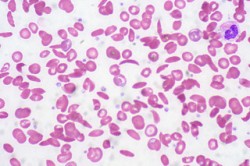
Sickle Cell Pain May be Managed with Cannabis

“Can Medical Cannabis Help to Cure SCD?”

Sickle Cell Disease Pain May Be Managed 2

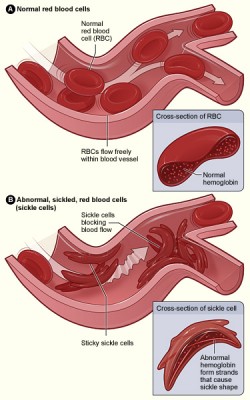
“Sickle cell disease (SCD) is a hereditary condition caused by a mutation in the haemoglobin gene, which leads to symptoms of anaemia, extreme pain, and organ damage if unmanaged.”

Sickle Cell Disease Pain May Be Managed 1

“Individuals suffering from SCD are far more likely to use cannabis than the general population, potentially for its analgesic properties.

In 2010, researchers at the University of Minnesota found that the synthetic THC analogue CP 55,940 was as effective as morphine sulphate in treating SCD-related severe pain in transgenic mice expressing human sickle haemoglobin, and that it was effective at smaller doses than the opioid.

In 2011, a further paper submitted by the same researchers to Blood (the Journal of the American Association of Hematology) indicated that CP 55,940 ameliorated severe pain associated with the hypoxia/reoxygenation cycle. CP 55,940 is a full agonist of both CB receptors, and is thought to act as an antagonist at the GPR55 receptor.

As well as this, cannabis has been repeatedly shown to act as a vasodilator, which could in itself assist in easing the blockages caused by build-up of sickle cells…

SCD is a painful and debilitating disease, and the overall inefficacy of opioid treatments and resultant poor quality of life for many sufferers is an indication that our approach to it is far from perfect.

If cannabis is a good candidate to replace opioids, it should be implemented forthwith to prevent ongoing suffering for existing patients.”

http://sensiseeds.com/en/blog/sickle-cell-pain-may-managed-cannabis/