
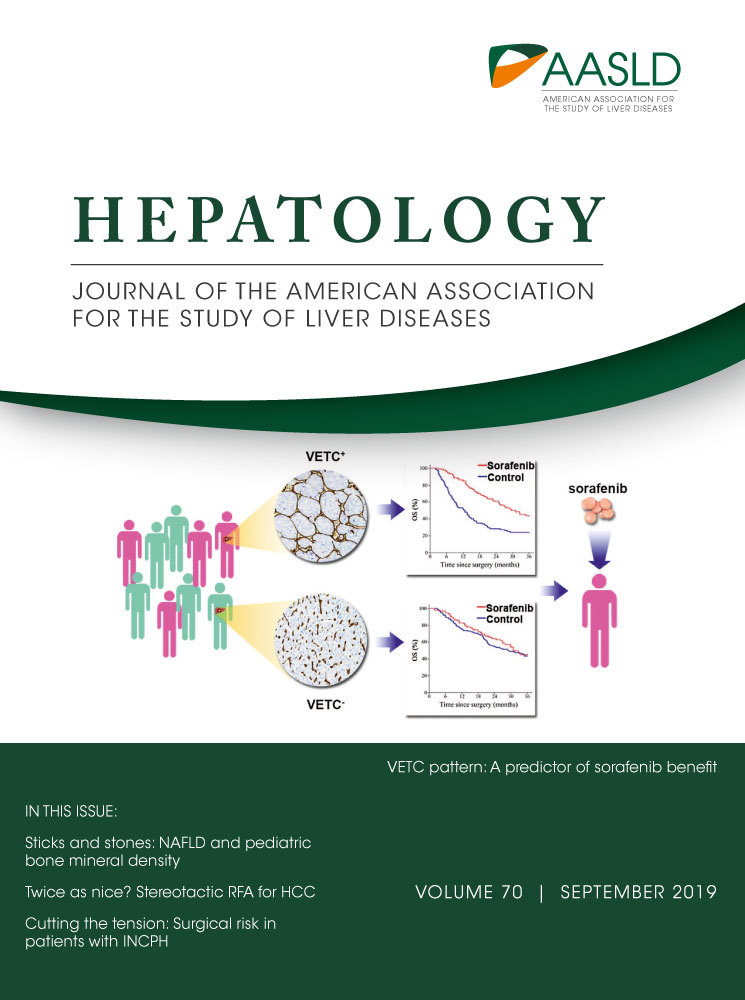
 “Hepatic cardiomyopathy, a special type of heart failure develops in up to 50% of patients with cirrhosis and is a major determinant of survival. However, there is no reliable model of hepatic cardiomyopathy in mice. Herein we aimed to characterize the detailed hemodynamics of mice with bile-duct ligation (BDL)-induced liver fibrosis, by monitoring echocardiography and intracardiac pressure-volume (PV) relationships and myocardial structural alterations. Treatment of mice with a selective cannabinoid-2 receptor (CB2 -R) agonist, known to attenuate inflammation and fibrosis, was used to explore the impact of liver inflammation, fibrosis on cardiac function.
MAIN RESULTS:
BDL induced massive inflammation (increased leukocyte infiltration, inflammatory cytokines and chemokines), oxidative stress, microvascular dysfunction, and fibrosis in the liver. These pathological changes were accompanied by impaired diastolic, systolic and macrovascular functions, cardiac inflammation (increased MIP1, interleukin-1, P-selectin, CD45+ cells) and oxidative stress (increased malondialdehyde, 3-nitrotyrosine and NADPH-oxidases). CB2 -R up-regulation was observed both in livers and hearts of mice exposed to BDL. CB2 -R activation markedly improved hepatic inflammation, impaired microcirculation, fibrosis. CB2 -R activation also decreased serum TNF-alpha levels, and improved cardiac dysfunction, myocardial inflammation and oxidative stress underlining the importance of inflammatory mediators in the pathology of hepatic cardiomyopathy.
CONCLUSION:
We propose BDL-induced cardiomyopathy in mice as a model for hepatic/cirrhotic cardiomyopathy. This cardiomyopathy, similarly to cirrhotic cardiomyopathy in humans, is characterized by systemic hypotension, impaired macro- and microvascular function accompanied by both systolic and diastolic dysfunction. Our results indicate that the liver-heart inflammatory axis has a pivotal pathophysiological role in the development of hepatic cardiomyopathy. Thus, controlling liver and/or myocardial inflammation (e.g. with selective CB2-R agonists) may delay/prevent the development of cardiomyopathy in severe liver disease. ”
https://www.ncbi.nlm.nih.gov/pubmed/31469200
https://aasldpubs.onlinelibrary.wiley.com/doi/abs/10.1002/hep.30916
 “The neurodegeneration, neuro-inflammation and mitochondrial dysfunction which occur by methamphetamine (METH) abuse or administration are serious and motivation therapeutic approaches for inhibition of these types of neurodegeneration. As we know, METH through Toll-like receptors (TLRs), specially type 4, and NF-κB signaling pathway causes neuro-inflammation and mitochondrial dysfunction.
 “The biological effects of endocannabinoid system are mediated by two types of receptors,
  “Autism spectrum disorder (ASD) is a developmental condition whose primary features include social communication and interaction impairments with restricted or repetitive motor movements. No approved treatment for the core symptoms is available and considerable research efforts aim at identifying effective therapeutic strategies.
 “Kidney ischemia reperfusion (IR) injury is an important health problem resulting in acute renal failure. After IR, the inflammatory and apoptotic process is triggered.
 “Cannabidiol (CBD) containing products are available in a plethora of flavors including oral, sublingual, and inhalable forms. Immunotoxicological effects of CBD containing liquids were assessed by hypothesizing that CBD regulates oxidative stress and lipopolysaccharide (LPS) induced inflammatory responses in macrophages, epithelial cells, and fibroblasts.
 “Heavy cannabis users had decreased frequencies of human leukocyte antigen (HLA)-DR+CD38+CD4+ and CD8+ T-cell frequencies, compared to frequencies of these cells in non-cannabis-using individuals.
 “Thanks to the success of modern antiretroviral therapy (ART), people living with HIV (PLWH) have life expectancies which approach that of persons in the general population. However, despite the ability of ART to suppress viral replication, PLWH have high levels of chronic systemic inflammation which drives the development of comorbidities such as cardiovascular disease, diabetes and non-AIDS associated malignancies.
 “Given their anti-inflammatory properties, cannabinoids have been shown to be neuroprotective agents and to reduce excitotoxicity, through the activation of the Cannabinoid receptor type 1 (CB1r).