“GW Pharmaceuticals Commences Phase 1Clinical Trial of GWP42006” (to be marketed as “Epidiolex”),”as a Potential Treatment for Epilepsy”

EPIDIOLEX

“GW Pharmaceuticals plc (Nasdaq: GWPH, AIM: GWP, “GW”) announced today it has commenced a Phase 1 clinical trial of product candidate GWP42006 for the treatment of epilepsy.

Over the last five years, GW has conducted an extensive pre-clinical cannabinoid research program in the field of epilepsy in collaboration with the University of Reading in the United Kingdom. This research has led to the emergence of a number of promising cannabinoid therapeutic candidates showing anti-epileptic effects.

GWP42006, one of the most promising of those candidates, is a non-psychoactive cannabinoid extracted from specific chemotypes of the cannabis plant which has shown the ability to treat seizures in pre-clinical models of epilepsy with significantly fewer side effects than currently approved anti-epileptic drugs1.

“We are pleased to have advanced GWP42006 to first dose in man, a significant milestone in the development of this novel product candidate. The decision to progress into Phase 1 follows several years of highly promising pre-clinical research,” stated Dr. Stephen Wright, Director of Research and Development at GW. “We believe that GWP42006 has the potential to become an important advance in the treatment of epilepsy, a condition for which there remains a substantial unmet medical need.””

More: http://www.gwpharm.com/Phase1Epilepsy.aspx

“GW Pharma Commences Phase 1 Clinical Trial Of GWP42006 For Treatment Of Epilepsy… GWP42006, is a non-psychoactive cannabinoid extracted from specific chemotypes of the cannabis plant which has shown the ability to treat seizures in pre-clinical models of epilepsy with significantly fewer side effects than currently approved anti-epileptic drugs.” http://www.nasdaq.com/article/gw-pharma-commences-phase-1-clinical-trial-of-gwp42006-for-treatment-of-epilepsy-20130918-00037

“A Study of the Safety and Tolerability of GWP42006 in Healthy Subjects…This study is currently recruiting participants.” http://clinicaltrials.gov/show/NCT01918735

“Driving directions to GW Pharma Limited and product information about EPIDIOLEX is provided. EPIDIOLEX is a product created by GW Pharma Limited in  Porton Down Science Park , Salisbury, , SP4OJR. The EPIDIOLEX  is a product related to Pharmaceutical and veterinary preparations and substances for the treatment of epilepsy, convulsions, seizures, Dravet syndrome, Lennox-Gastaut syndrome, intractable childhood epilepsy with generalized tonic-clonic seizures, generalized epilepsy with febrile seizures plus, Doose syndrome and chromosome disorders; pharmaceutical preparations and substances for the treatment of pediatric epilepsy; herbs for medicinal purposes; medicinal herbs; medicinal oils; medicinal infusions for the treatment of epilepsy; pure extracts of medicinal plants and herbs used for the treatment of epilepsy, convulsions and seizures; herb teas for medicinal purposes. The EPIDIOLEX product is now being marketed in the United States for sale. The EPIDIOLEX is in the category of  Pharmaceutical Products..

Get in contact with the owner, GW Pharma Limited of this EPIDIOLEX, or visit them at their place of business in the map. Write a review about the product with this EPIDIOLEX.

Or, contact the owner GW Pharma Limited of the  EPIDIOLEX trademark by filing a request to communicate with the Legal Correspondent   for licensing, use, and/or questions related to EPIDIOLEX. The correspondent of the EPIDIOLEX is  MICHELLE L. VISSER of RADER, FISHMAN & GRAUER PLLC, 39533 WOODWARD AVE STE 140, BLOOMFIELD HILLS, MI 48304-5098 “.

http://www.trademarkia.com/map/epidiolex-86007888.htm

Study: Cannabis Compounds Can Kill Cancer Cells – US News & World Report

“Researcher says cannabinoids might treat cancer as well as billion-dollar drugs.”

A medical marijuana activist holds a sign during a rally Jan. 4, 2010, in Oakland, Calif. Research suggests marijuana may fight cancer itself, not just side-effects.“A British researcher has found that cannabinoids, a term for chemicals derived from marijuana, can kill leukemia cells, and he expects clinical trials for new medications to begin soon.


The findings, published in the October issue of Anticancer Research: International Journal of Cancer Research and Treatment, show that certain non-psychoactive cannabinoids “resulted in dramatic reductions in cell viability” and “caused a simultaneous arrest at all phases of the cell cycle,” according to an abstract posted online. 

The study tested six cannabinoids, together and independently, on leukemia cells. Study author Wai Liu, an oncologist at the University of London’s St. George’s medical school, told U.S. News the chemicals displayed “potent anti-cancer activity” and, significantly, “target and switch off” pathways that allow cancers to grow.”

More: http://www.usnews.com/news/articles/2013/10/24/study-cannabis-compounds-can-kill-cancer-cells

Study: Marijuana’s Active Ingredient May Shrink Cancerous Tumors – FoxNews

“The active ingredient in marijuana appears to reduce tumor growth…

The researchers showed giving THC to mice with cancer decreased tumor growth and killed cells off in a process called autophagy.

“Our findings support that safe, therapeutically efficacious doses of THC may be reached in cancer patients,” Guillermo Velasco of Complutense University in Madrid and colleagues reported in the Journal of Clinical Investigation…

Other research has shown benefits, such as staving off Alzheimer’s, and many doctors view THC as a valuable way to treat weight loss associated with AIDS, and nausea and vomiting associated with chemotherapy in cancer patients.

Velasco and his team’s study included an analysis of two tumors from two people with a highly aggressive brain cancer which showed signs of autophagy after receiving THC.

The researchers said the findings could pave the way for cannabinoid-based drugs to treat cancer…”

More: http://www.foxnews.com/story/2009/04/02/study-marijuana-active-ingredient-may-shrink-cancerous-tumors/

“Cannabinoid action induces autophagy-mediated cell death through stimulation of ER stress in human glioma cells… These findings describe a mechanism by which THC can promote the autophagic death of human and mouse cancer cells and provide evidence that cannabinoid administration may be an effective therapeutic strategy for targeting human cancers.” http://www.ncbi.nlm.nih.gov/pmc/articles/PMC2673842/

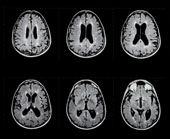
The endocannabinoid system and multiple sclerosis.

“Multiple sclerosis (MS) is a neurodegenerative disease that is characterised by repeated inflammatory/demyelinating events within the central nervous system (CNS). In addition to relapsing-remitting neurological insults, leading to loss of function, patients are often left with residual, troublesome symptoms such as spasticity and pain. These greatly diminish “quality of life” and have prompted some patients to self-medicate with and perceive benefit from cannabis.

Recent advances in cannabinoid biology are beginning to support these anecdotal observations, notably the demonstration that spasticity is tonically regulated by the endogenous cannabinoid system.

Recent clinical trials may indeed suggest that cannabis has some potential to relieve, pain, spasms and spasticity in MS. However, because the CB(1) cannabinoid receptor mediates both the positive and adverse effects of cannabis, therapy will invariably be associated with some unwanted, psychoactive effects.

In an experimental model of MS, and in MS tissue, there are local perturbations of the endocannabinoid system in lesional areas. Stimulation of endocannabinoid activity in these areas either through increase of synthesis or inhibition of endocannabinoid degradation offers the positive therapeutic potential of the cannabinoid system whilst limiting adverse events by locally targeting the lesion.

 In addition, CB(1) and CB(2) cannabinoid receptor stimulation may also have anti-inflammatory and neuroprotective potential as the endocannabinoid system controls the level of neurodegeneration that occurs as a result of the inflammatory insults.

Therefore cannabinoids may not only offer symptom control but may also slow the neurodegenerative disease progression that ultimately leads to the accumulation of disability.”

http://www.ncbi.nlm.nih.gov/pubmed/18781983

Control of Spasticity in a Multiple Sclerosis Model is mediated by CB1, not CB2, Cannabinoid Receptors

Figure 1

“There is increasing evidence to suggest that cannabis can ameliorate muscle-spasticity in multiple sclerosis, as was objectively shown in experimental autoimmune encephalomyelitis models. The purpose of this study was to investigate further the involvement of CB1 and CB2 cannabinoid receptors in the control of experimental spasticity…

Conclusions and Implications:

The CB1 receptor controls spasticity and cross-reactivity to this receptor appears to account for the therapeutic action of some CB2 agonists.

 As cannabinoid-induced psychoactivity is also mediated by the CB1 receptor, it will be difficult to truly dissociate the therapeutic effects from the well-known, adverse effects of cannabinoids when using cannabis as a medicine.

The lack of knowledge on the true diversity of the cannabinoid system coupled with the lack of total specificity of current cannabinoid reagents makes interpretation of in vivo results difficult, if using a purely pharmacological approach.

Gene knockout technology provides an important tool in target validation and indicates that the CB1 receptor is the main cannabinoid target for an anti-spastic effect.”

http://www.ncbi.nlm.nih.gov/pmc/articles/PMC2189718/

Chemicals in marijuana ‘protect nervous system’ against MS

Cannabis

“Chemical compounds found in marijuana can help treat multiple sclerosis-like diseases in mice by preventing inflammation in the brain and spinal cord, according to a study reported in the Journal of Neuroimmune Pharmacology.

“Inflammation is part of the body’s natural immune response, but in cases like MS, it gets out of hand,” says Dr. Ewa Kozela of Tel Aviv University, Israel.

“Our study looks at how compounds isolated from marijuana can be used to regulate inflammation to protect the nervous system and its functions.”

Dr. Kozela and colleagues set out to see if the known anti-inflammatory properties of two substances found in marijuana – the cannabinoids known as tetrahydrocannabinol (THC) and cannabidiol (CBD) – could also be applied to the treatment of inflammation associated with MS.

With either THC or CBD, the researchers treated immune cells that specifically target and harm the brain and spinal cord. In response to both chemicals, the immune cells, isolated from paralyzed mice, produced fewer inflammatory molecules, particularly interleukin 17 (IL-17).

Interleukin 17 “is strongly associated with MS and very harmful to nerve cells and their insulating covers,” the researchers say. They conclude:

“The presence of CBD or THC restrains the immune cells from triggering the production of inflammatory molecules, and limits the molecules’ ability to reach and damage the brain and spinal cord.” 

More: http://www.medicalnewstoday.com/articles/267161.php 


“Cannabinoids Decrease the Th17 Inflammatory Autoimmune Phenotype” http://link.springer.com/article/10.1007/s11481-013-9493-1

Parkinson’s Symptoms Reduced by Smoking Cannabis – Parkinson Research Foundation

Cannabis_Clones_in_Box

 “Ruth Djaldetti, M.D., of Tel Aviv University in Israel, presented the findings of her research at a recent International Congress on Parkinson’s Disease and Movement Disorders.  She reported improvement in tremor, pain, rigidity and bradykinesia (slowness of movement).  Twenty subjects, all in their mid-sixties, and were rated using the Unified Parkinson’s Disease Rating Scale (UPDRS) both before and after smoking.  Their overall “before” scores were over 30 and within 30 minutes of smoking, their scores dropped to 24..  Their tremor scores averaged 7.5 on the UPDRS before and dropped to a score of 3.5 after smoking cannabis.  Bradykinesia scores dropped from 13.2 to 8.6 and rigidity went from 7.4 to 6.4.  Dr. Djaldetti also saw a marked relief in the pain her subjects were experiencing and this relief of pain led to better sleep and feeling more rested.

This bears out the results of other studies.  A study done in Great Britain that was published in 2011 found the principal ingredient in cannabis provided neuroprotection for people with Parkinson’s disease.  Its neuroprotective properties included reduction of inflammation and control of spasms, making it an ideal drug for treating Parkinson’s.  However, its confusing legal status make it very difficult for people to obtain or consider using and for doctors to even recommend to patients.

Another interesting study done in 2010 found that cannabinoid receptors are located in many parts of the brain and that cannabinoids are produced naturally in the brain.  People with Parkinson’s have even higher levels of endocannabinoids (cannabinoids produced within the brain).  The main ingredient in cannabis, Tetrahydrcannibol (THC) actually increases dopamine production temporarily.  Cannabidiol (CBD) another component of cannabis, also provides neuroprotective properties and has been shown to reduce dystonias .  CDB could be a very vital improvement for treating Parkinson’s, and a recent study has shown it useful in treating certain cancers as well.

While there have been many, many people reporting the anecdotal benefits of smoking cannabis, clinical trials are lagging behind.  Laboratory and animal studies have shown many benefits, but perplexing issues around the legality of cannabis are slowing the efforts and impeding progress.”

http://parkinsonresearchfoundation.org/blog/2013/07/11/parkinsons-symptoms-reduced-by-smoking-cannabis/

“Marijuana Is a Vegetable” and Belongs in the Farmers’ Market: Pot VC

““Marijuana is a vegetable, just like every other vegetable being sold on the Sunday markets in Boulder,” Hartfield tells The Daily Ticker. “We think the people of Boulder would want it there.”

Colorado became the second state to legalize recreational marijuana last November and if one Colorado resident has his way, the plant will soon be sold at the Boulder County Farmers’ Markets, one of the largest farmers’ markets in the state. Justin Hartfield, a marijuana venture capitalist and CEO of WeedMaps, has petitioned Boulder’s mayor, local officials and organizers of the farmers’ market to include a marijuana stand next to the heirloom tomato and corn booths. Hartfield and his business partners are in the process of drafting a zoning ordinance for the city to consider…”

More:http://finance.yahoo.com/blogs/daily-ticker/marijuana-vegetable-belongs-farmers-market-pot-vc-160053015.html

The oral administration of trans-caryophyllene attenuates acute and chronic pain in mice.

“Trans-caryophyllene is a sesquiterpene present in many medicinal plants’ essential oils, such as Ocimum gratissimum and Cannabis sativa. In this study, we evaluated the antinociceptive activity of trans-caryophyllene in murine models of acute and chronic pain and the involvement of trans-caryophyllene in the opioid and endocannabinoid systems…

 These results demonstrate that trans-caryophyllene reduced both acute and chronic pain in mice, which may be mediated through the opioid and endocannabinoid systems.”

http://www.ncbi.nlm.nih.gov/pubmed/24055516

Critical appraisal of the potential use of cannabinoids in cancer management

“Cannabinoids have been attracting a great deal of interest as potential anticancer agents. Originally derived from the plant Cannabis sativa, there are now a number of endo-, phyto- and synthetic cannabinoids available. This review summarizes the key literature to date around the actions, antitumor activity, and mechanisms of action for this broad range of compounds…

Two therapeutic avenues exist for the development of cannabinoids as anticancer agents. As antiemetic and analgesic compounds, this class of compounds has been explored in terms of palliative care. More recently, cannabinoid agonists and antagonists have been screened for potential direct antitumorigenic properties.

… results suggest that overall the cannabinoids affect multiple cellular signaling pathways, which means they have the potential to decrease cancer development, growth, and metastasis.

Overall, the cannabinoids may show future promise in the treatment of cancer, but there are many significant hurdles to be overcome. There is much still to be learned about the action of the cannabinoids and the endocannabinoid system.

It is a distinct possibility that the cannabinoids may have a place in the future treatment of cancer.”

Full Text: http://www.ncbi.nlm.nih.gov/pmc/articles/PMC3770515/