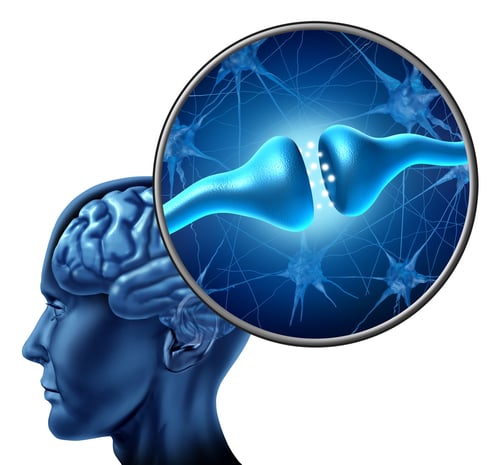
Mechanisms of control of neuron survival by the endocannabinoid system.

“Endocannabinoids act as retrograde messengers that, by inhibiting neurotransmitter release via presynaptic CB(1) cannabinoid receptors, regulate the functionality of many synapses. In addition, the endocannabinoid system participates in the control of neuron survival.

Thus, CB(1) receptor activation has been shown to protect neurons from acute brain injury as well as in neuroinflammatory conditions and neurodegenerative diseases.

Cannabinoid neuroprotective activity relies on the inhibition of glutamatergic neurotransmission and on other various mechanisms, and is supported by the observation that the brain overproduces endocannabinoids upon damage.

Besides promoting neuroprotection, a role for the endocannabinoid system in the control of neurogenesis from neural progenitors has been put forward. In addition, activation of CB(2) cannabinoid receptors on glial cells may also participate in neuroprotection by limiting the extent of neuroinflammation.

Altogether, these findings support that endocannabinoids constitute a new family of lipid mediators that act as instructive signals in the control of neuron survival.”

http://www.ncbi.nlm.nih.gov/pubmed/18781978

Defective Adult Neurogenesis in CB1 Cannabinoid Receptor Knockout Mice

  Fig. 1.

“…endogenous cannabinoid signaling mechanisms may represent a key component of cell-survival programs mobilized in the injured brain.

In addition to their neuroprotective effects, cannabinergic systems may also have an important role in brain development…

…expression of endocannabinoids and cannabinoid receptors in brain…

Neurogenesis, or the birth of new neurons, continues to occur beyond development and into adulthood, and several lines of evidence suggest that cannabinoid signaling may be involved in this process as well…

In addition to the well known effects of growth factors, a variety of drugs has been shown to influence adult neurogenesis. These include excitatory amino acid receptor antagonists, antidepressants, lithium, nitric oxide donors, phosphodiesterase inhibitors, and statins.

Together with the finding that neurogenesis can be regulated by cannabinoids, these observations imply that a broad range of pharmacological approaches may exist through which to modify neurogenesis for therapeutic purposes.”

http://molpharm.aspetjournals.org/content/66/2/204.full

The endocannabinoid system: a putative role in neurodegenerative diseases.

An external file that holds a picture, illustration, etc.
Object name is ijhrba-02-100-i001.jpg

“Scientific evidence shows that an hypofunction or a dysregulation of the endocannabinoid system may be responsible for some of the symptoms of diseases such as multiple sclerosis, amyotrophic lateral sclerosis, Huntington’s, Parkinson’s and Alzheimer’s diseases.

The aim of this review is to highlight the role of endocannabinoid system in neurodegenerative diseases

Scientific evidence shows that cannabis can provide symptomatic relief in several neurodegenerative diseases such as multiple sclerosis, Huntington’s, Parkinson’s and Alzheimer’s diseases, and amyotrophic lateral sclerosis. These findings imply that a hypofunction or a dysregulation of the endocannabinoid system may be responsible for some of the symptoms of these diseases. Moreover, given the abundance of CB1 receptors in areas associated with movement and executive thought, researchers’ interest has often focused on endocannabinoid levels in patients with motor degenerative disorders.

CONCLUSIONS:

The important role played by endocannabinoid system promises interesting developments, in particular to evaluate the effectiveness of new drugs in both psychiatry and neurology.”

http://www.ncbi.nlm.nih.gov/pmc/articles/PMC4070159/

Ligand Activation of Cannabinoid Receptors Attenuates Hypertrophy of Neonatal Rat Cardiomyocytes.

“Endocannabinoids are bioactive amides, esters and ethers of long chain polyunsaturated fatty acids. Evidence suggests that activation of the endocannabinoid pathway offers cardioprotection against myocardial ischemia, arrhythmias, and endothelial dysfunction of coronary arteries.

…may represent a novel therapeutic approach to cardioprotection.”

http://www.ncbi.nlm.nih.gov/pubmed/24979612

Acute Resistance Exercise Induces Antinociception by Activation of the Endocannabinoid System in Rats.

“Resistance exercise (RE) is also known as strength training, and it is performed to increase the strength and mass of muscles, bone strength, and metabolism. RE has been increasingly prescribed for pain relief. However, the endogenous mechanisms underlying this antinociceptive effect are still largely unexplored. Thus, we investigated the involvement of the endocannabinoid system in RE-induced antinociception…

The present study suggests that a single session of RE activates the endocannabinoid system to induce antinociception.”

http://www.ncbi.nlm.nih.gov/pubmed/24977916

Cannabis for inflammatory bowel disease.

“The marijuana plant Cannabis sativa has been used for centuries as a treatment for a variety of ailments. It contains over 60 different cannabinoid compounds.

Studies have revealed that the endocannabinoid system is involved in almost all major immune events. Cannabinoids may, therefore, be beneficial in inflammatory disorders.In murine colitis, cannabinoids decrease histologic and microscopic inflammation.

In humans, cannabis has been used to treat a plethora of gastrointestinal problems, including anorexia, emesis, abdominal pain, diarrhea, and diabetic gastroparesis.

Despite anecdotal reports on medical cannabis in inflammatory bowel disease (IBD), there are few controlled studies. In an observational study in 30 patients with Crohn’s disease (CD), we found that medical cannabis was associated with improvement in disease activity and reduction in the use of other medications.

In a more recent placebo-controlled study in 21 chronic CD patients, we showed a decrease in the CD activity index >100 in 10 of 11 subjects on cannabis compared to 4 of 10 on placebo. Complete remission was achieved in 5 of 11 subjects in the cannabis group and 1 of 10 in the placebo group. Yet, in an additional study, low-dose cannabidiol did not have an effect on CD activity.

In summary, evidence is gathering that manipulating the endocannabinoid system can have beneficial effects in IBD, but further research is required to declare cannabinoids a medicine. We need to establish the specific cannabinoids, as well as appropriate medical conditions, optimal dose, and mode of administration, to maximize the beneficial effects while avoiding any potential harmful effects of cannabinoid use”

http://www.ncbi.nlm.nih.gov/pubmed/24969296

Cannabinoid as a neuroprotective strategy in perinatal hypoxic-ischemic injury.

“Perinatal hypoxia-ischemia remains the single most important cause of brain injury in the newborn, leading to death or lifelong sequelae.

Because of the fact that there is still no specific treatment for perinatal brain lesions due to the complexity of neonatal hypoxic-ischemic pathophysiology, the search of new neuroprotective therapies is of great interest.

In this regard, therapeutic possibilities of the endocannabinoid system have grown lately.

The endocannabinoid system modulates a wide range of physiological processes in mammals and has demonstrated neuroprotective effects in different paradigms of acute brain injury, acting as a natural neuroprotectant.

Concerning perinatal asphyxia, the neuroprotective role of this endogenous system is emerging these years.

The present review mainly focused on the current knowledge of the cannabinoids as a new neuroprotective strategy against perinatal hypoxic-ischemic brain injury.

http://www.ncbi.nlm.nih.gov/pubmed/21788999

[The cannabinoid system and its importance in the perinatal period].

“The cannabinoid system has been recently described, including the endogenous ligands, mainly arachidonic acid derivatives, and their specific receptors. Endocannabinoids are involved in the modulation of synaptic transmission, through which they exert their psychoactive, motor and antinociceptive effects, among others; they also exert extraneural effects, mainly immunomodulation and vasodilation.

Recent data suggest that the cannabinoid system might play an important role in human ontogeny and could participate in the implantation and early development of the embryo, in fetal brain development, and in the beginning of breast feeding after birth.

In addition, the vasodilatory effect of cannabinoids, together with inhibition of the release of excitotoxic amino acids and cytokines, as well as modulation of oxidative stress and the toxic production of nitric oxide, justify the growing evidence pointing to a possible neuroprotective effect of cannabinoids in perinatal asphyxia.”

http://www.ncbi.nlm.nih.gov/pubmed/16266619

Cannabinoids: well-suited candidates for the treatment of perinatal brain injury.

“Perinatal brain injury can be induced by a number of different damaging events occurring during or shortly after birth… the number of clinical interventions available for the treatment of the affected newborn babies is extremely limited. Hence, there is a dramatic need to develop new effective therapies aimed to prevent acute brain damage and enhance the endogenous mechanisms of long-term brain repair.

The endocannabinoid system is an endogenous neuromodulatory system involved in the control of multiple central and peripheral functions. An early responder to neuronal injury, the endocannabinoid system has been described as an endogenous neuroprotective system that once activated can prevent glutamate excitotoxicity, intracellular calcium accumulation, activation of cell death pathways, microglia activation, neurovascular reactivity and infiltration of circulating leukocytes across the blood-brain barrier.

The modulation of the endocannabinoid system has proven to be an effective neuroprotective strategy to prevent and reduce neonatal brain injury in different animal models and species.

Also, the beneficial role of the endocannabinoid system on the control of the endogenous repairing responses (neurogenesis and white matter restoration) to neonatal brain injury has been described in independent studies.”

http://www.ncbi.nlm.nih.gov/pubmed/24961520

Delta-9 tetrahydrocannabinol (THC) inhibits lytic replication of gamma oncogenic herpesviruses in vitro

Figure 2

“The major psychoactive cannabinoid compound of marijuana, delta-9 tetrahydrocannabinol (THC), has been shown to modulate immune responses and lymphocyte function. After primary infection the viral DNA genome of gamma herpesviruses persists in lymphoid cell nuclei in a latent episomal circular form. In response to extracellular signals, the latent virus can be activated, which leads to production of infectious virus progeny. Therefore, we evaluated the potential effects of THC on gamma herpesvirus replication.

THC specifically targets viral and/or cellular mechanisms required for replication and possibly shared by these gamma herpesviruses, and the endocannabinoid system is possibly involved in regulating gamma herpesvirus latency and lytic replication. The immediate early gene ORF 50 promoter activity was specifically inhibited by THC. These studies may also provide the foundation for the development of antiviral strategies utilizing non-psychoactive derivatives of THC.

 We believe that studies on cannabinoids and herpesviruses are important to continue because there are obvious potential benefits. Better understanding may lead to the development of specific non-psychoactive drugs that may inhibit reactivation of oncogenic herpesviruses.”