
“Cannabis is listed as a Schedule I substance under the Controlled Substances Act of 1970, meaning the US federal government defines it as an illegal drug that has high potential for abuse and no established medical use; however, half of the states in the nation have enacted “medical marijuana” (MM) laws. Clinicians must be aware of the evidence for and against the use of MM in their patients who may consider using this substance.
RESULTS:
Publications were identified that included patients with dementia, multiple sclerosis, Parkinson disease, Huntington disease, schizophrenia, social anxiety disorder, depression, tobacco use disorder, and neuropathic pain.
DISCUSSION:
There is great variety concerning which medical conditions are approved for treatment with MM for either palliative or therapeutic benefit, depending on the state law. It is important to keep an evidence-based approach in mind, even with substances considered to be illegal under US federal law. Clinicians must weigh risks and benefits of the use of MM in their patients and should ensure that patients have tried other treatment modalities with higher levels of evidence for use when available and appropriate.”
https://www.ncbi.nlm.nih.gov/pubmed/29955495
““Medical marijuana” encompasses everything from whole-plant cannabis to synthetic cannabinoids available for commercial use approved by regulatory agencies. In determining whether MM is of clinical utility to our patients, it is important to keep in mind chemical constituents, dose, delivery, and indication. Selection of the patient appropriate for MM must be carefully considered because clinical guidelines and treatment options with stronger levels of evidence should be exhausted first in most cases. There seems to be strongest evidence for the use of MM in patients with MS and in patients with neuropathic pain; moderate evidence exists to support further research in social anxiety disorder, schizophrenia, PD, and tobacco use disorder; evidence is limited for use in patients with dementia, Huntington disease, depression, and anorexia.”
http://mhc.cpnp.org/doi/10.9740/mhc.2017.01.029?code=cpnp-site]]>

 “Good pain management in children, especially those at end of life, is a crucial component of palliative medicine. The current review assesses some of the new and/or innovative ways to manage pain in children. The article focuses on some recent medications/pharmaceutical options such as cannabinoids and also innovative ways to administer medication to children, such as intranasal and inhalation.
 “There is an increased interest in the use of cannabinoids in the treatment of symptoms in cancer and palliative care patients. Their multimodal action, in spite of limited efficacy, may make them an attractive alternative, particularly in patients with multiple concomitant symptoms of mild and moderate intensity. There is evidence to indicate
  “A flowering plant of variegated ingredients and psychoactive qualities, Cannabis has long been used for medicinal and recreational purposes.
Regulatory approvals have been gained across a broad range of palliative and therapeutic indications, and in some cases, included in standard treatment guidelines.
Areas covered: The use of Cannabis and
“A flowering plant of variegated ingredients and psychoactive qualities, Cannabis has long been used for medicinal and recreational purposes.
Regulatory approvals have been gained across a broad range of palliative and therapeutic indications, and in some cases, included in standard treatment guidelines.
Areas covered: The use of Cannabis and  “Pain and symptom control challenges are common in palliative care, and the search for other therapeutic strategies is ongoing.
Unfortunately, patients and their caregivers are receiving little information or support from healthcare providers regarding the increasingly popular cannabinoid-based medicines (CBM).
Clinicians, meanwhile, feel understandably perplexed by the discrepancy between the available evidence and the rapid interest in which patients and their families have demonstrated for CBM.
There is an urgent need to address the many challenges that are delaying the appropriate integration of CBM into clinical practice, notwithstanding the obvious need for a solid general knowledge of pharmacology, mechanism of action and available clinical evidence supporting its use.
The authors will address these challenges and provide practical recommendations regarding patient assessment for the use of CBM. The authors will also make suggestions regarding patient expectations in order to define clear objectives, review the necessary precautions prior to initiating treatment, aid in selecting the appropriate strain and route of administration as well as establishing proper titration and monitoring protocols. The authors will also discuss the lesser known but potentially therapeutic psychoactive effects of cannabis.
As this class of therapeutic agents are likely to play a major role in palliative medicine in the near future, clinicians would benefit from familiarizing themselves with CBM and we can expect that patients and their caregivers will appreciate receiving support in their search for safe and effective therapeutic alternatives.”
“Pain and symptom control challenges are common in palliative care, and the search for other therapeutic strategies is ongoing.
Unfortunately, patients and their caregivers are receiving little information or support from healthcare providers regarding the increasingly popular cannabinoid-based medicines (CBM).
Clinicians, meanwhile, feel understandably perplexed by the discrepancy between the available evidence and the rapid interest in which patients and their families have demonstrated for CBM.
There is an urgent need to address the many challenges that are delaying the appropriate integration of CBM into clinical practice, notwithstanding the obvious need for a solid general knowledge of pharmacology, mechanism of action and available clinical evidence supporting its use.
The authors will address these challenges and provide practical recommendations regarding patient assessment for the use of CBM. The authors will also make suggestions regarding patient expectations in order to define clear objectives, review the necessary precautions prior to initiating treatment, aid in selecting the appropriate strain and route of administration as well as establishing proper titration and monitoring protocols. The authors will also discuss the lesser known but potentially therapeutic psychoactive effects of cannabis.
As this class of therapeutic agents are likely to play a major role in palliative medicine in the near future, clinicians would benefit from familiarizing themselves with CBM and we can expect that patients and their caregivers will appreciate receiving support in their search for safe and effective therapeutic alternatives.”
 “The plant Cannabis sativa L. has been used as an herbal remedy for centuries and is the most important source of phytocannabinoids.
The endocannabinoid system (ECS) consists of receptors, endogenous ligands (endocannabinoids) and metabolizing enzymes, and plays an important role in different physiological and pathological processes.
Phytocannabinoids and synthetic
“The plant Cannabis sativa L. has been used as an herbal remedy for centuries and is the most important source of phytocannabinoids.
The endocannabinoid system (ECS) consists of receptors, endogenous ligands (endocannabinoids) and metabolizing enzymes, and plays an important role in different physiological and pathological processes.
Phytocannabinoids and synthetic  “The endocannabinoid system has emerged as a considerable target for the treatment of diverse diseases.
In addition to the well-established palliative effects of
“The endocannabinoid system has emerged as a considerable target for the treatment of diverse diseases.
In addition to the well-established palliative effects of 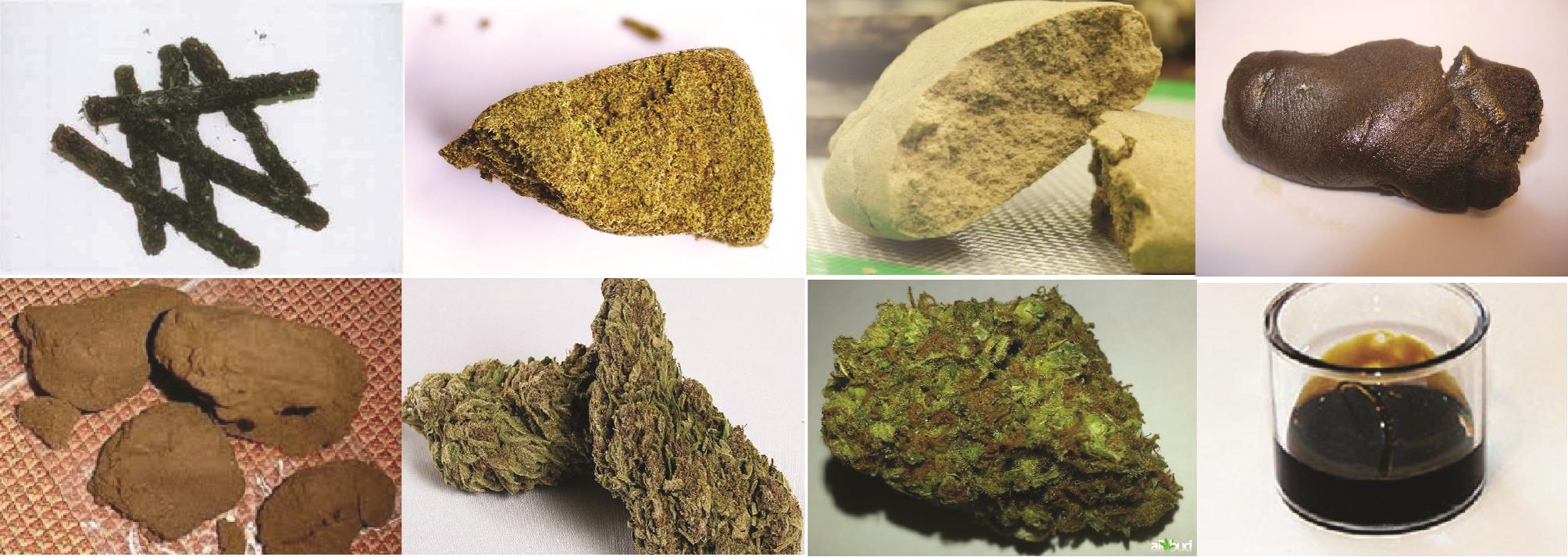 “Cannabis products. First row, left to right: Indian, Lebanese, Turkish and Pakistani hashish. Second row, left to right: Swiss hashish, Zairean marijuana, Swiss marijuana, Moroccan hash oil.”]]>
  “The treatment of symptoms in people with palliative diagnoses begins with meticulous clinical assessment with treatment choice (s) selected based on an understanding of the symptom aetiology and the evidence which underpins its treatment.
Increasingly the merits of palliative care have been established earlier in the disease trajectory where treatment outcomes may include increased survival and maintenance of function.
There is strong public support for the availability of medicinal cannabis, particularly for people with palliative diagnoses.
There are several areas where there is potential for symptom benefits through modulation of the endocannabinoid system, though clinical data to date has been inconclusive in key symptoms such as pain and nausea, and data from other settings such as chemotherapy-induced nausea and vomiting not readily extrapolated.
Ideally exploration of medicinal cannabinoids should occur within a clinical trial to accelerate the evidence base to inform practice. In people with refractory symptoms the consideration of unregistered products or off label prescribing should be guided by the potential influences of pharmacokinetic, pharmacodynamic and drug-drug interactions, supported by an informed discussion with the patient, and regular review of net clinical benefit.”
“The treatment of symptoms in people with palliative diagnoses begins with meticulous clinical assessment with treatment choice (s) selected based on an understanding of the symptom aetiology and the evidence which underpins its treatment.
Increasingly the merits of palliative care have been established earlier in the disease trajectory where treatment outcomes may include increased survival and maintenance of function.
There is strong public support for the availability of medicinal cannabis, particularly for people with palliative diagnoses.
There are several areas where there is potential for symptom benefits through modulation of the endocannabinoid system, though clinical data to date has been inconclusive in key symptoms such as pain and nausea, and data from other settings such as chemotherapy-induced nausea and vomiting not readily extrapolated.
Ideally exploration of medicinal cannabinoids should occur within a clinical trial to accelerate the evidence base to inform practice. In people with refractory symptoms the consideration of unregistered products or off label prescribing should be guided by the potential influences of pharmacokinetic, pharmacodynamic and drug-drug interactions, supported by an informed discussion with the patient, and regular review of net clinical benefit.”