IN VITRO ANTIMICROBIAL AND ANTIOXIDANT ACTIVITIES OF TWO MEDICINAL PLANTS AGAINST SOME CLINICALLY IMPORTANT BACTERIA

Image result for Lahore College for Women University

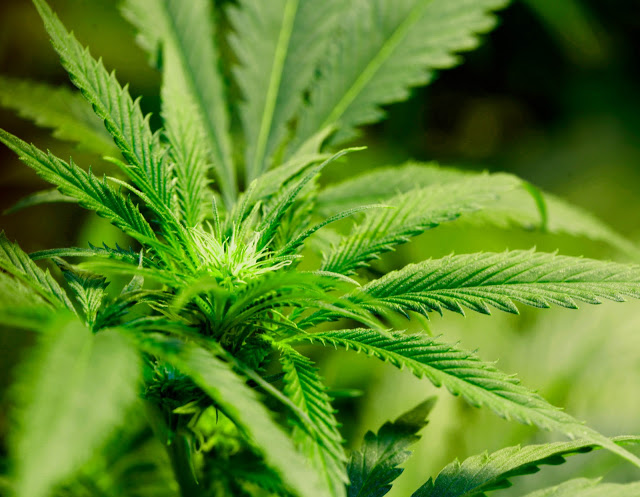
“The aim of the present study was to evaluate the antimicrobial potential of Amaranthus viridis (Chowlai) and Cannabis sativa (Bhang) against clinically important bacteria, Staphylococcus aureus, Klebsiella pneumonia, Pseudomonas aeruginosa and Escherichia coli.

The study revealed that leaves of A. viridis and C. sativa possess broad spectrum antimicrobial activity and natural antioxidants that can be of considerable pharmaceutical importance.

Leaf and stem extracts of A. viridis and C. sativa demonstrated a broad spectrum efficacy against Grampositive and Gram-negative bacteria. These plants also exhibited good antioxidant activity.”

https://fuuast.edu.pk/biology%20journal/images/pdfs/2016/june/paper17.pdf
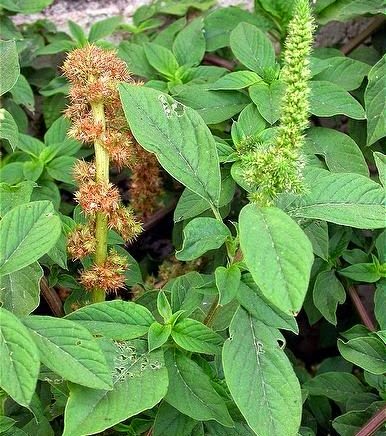
Image result for Amaranthus viridis (Chaulai)

Image result for Cannabis sativa (Bhang)

Marijuana Can Cure Epilepsy: Recent Studies Done By Scientists Of Birmingham Epilepsy Center Revealed

Image result for science world report

“A series of trials on marijuana to treat epilepsy is conducted by the Birmingham Epilepsy Center revealed that Cannabidiol (CBD), purified from Cannabis plant or commonly known marijuana, has high beneficial effects in the treatment of epileptic patients. The study revealed that oral administration of CBD oil caused a significant reduction in the frequency of epileptic seizures in adult and pediatric patients.”

http://www.scienceworldreport.com/articles/53849/20161207/marijuana-cure-epilepsy-recent-studies-done-scientists-birmingham-center-revealed.htm

Cannabidiol Reduces Seizures in Various Epilepsy Disorders

Image result for medscape

“A purified oral formulation of cannabidiol (CBD; Epidiolex, GW Pharmaceuticals) significantly reduces seizures in treatment-resistant epilepsy, according to new research that included double-blind randomized controlled trials of patients with Dravet syndrome (DS) and Lennox-Gastaut syndrome (LGS), two of the most difficult-to-manage seizure conditions.

The new research, released here at the American Epilepsy Society (AES) 2016 Annual Meeting, also highlights the relative safety of this new drug, a prescription medicine derived from the cannabis plant.”

http://www.medscape.com/viewarticle/872763

Cannabidiol Activates Neuronal Precursor Genes in Human Gingival Mesenchymal Stromal Cells.

Image result for journal of cellular biochemistry

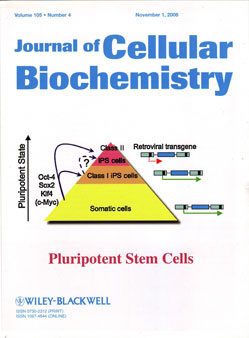
“In the last years, mesenchymal stromal cells (MSCs) from oral tissues have received considerable interest in regenerative medicine since they can be obtained with minimal invasive procedure and exhibit immunomodulatory properties.

This study was aimed to investigate whether in vitro pre-treatment of MSCs obtained from human gingiva (hGMSCs) with Cannabidiol (CBD), a cannabinoid component produced by the plant Cannabis sativa, may promote human gingiva derived MSCs to differentiate towards neuronal precursor cells.

From our results we hypothesize that human gingiva-derived MSCs conditioned with CBD could represent a valid method for improving the hGMSCs phenotype and thus might be a potential therapeutic tool in the treatment of neurodegenerative diseases.”

https://www.ncbi.nlm.nih.gov/pubmed/27918106

Plant cannabinoids: a neglected pharmacological treasure trove.

Logo of brjpharm

“Most of the cannabinoids in Cannabis sativa L. have not been fully evaluated for their pharmacological activity.

A publication in this issue presents evidence that a plant cannabinoid, Δ9-tetrahydrocannabivarin is a potent antagonist of anandamide, a major endogenous cannabinoid.

It seems possible that many of the non-psychoactive constituents of this plant will be of biological interest.

I sincerely believe that the plant cannabinoids are a neglected pharmacological treasure trove.”

https://www.ncbi.nlm.nih.gov/pmc/articles/PMC1751232/

What is THC?

“THC, or tetrahydrocannabinol, is the chemical responsible for most of marijuana’s psychological effects. It acts much like the cannabinoid chemicals made naturally by the body, according to the National Institute on Drug Abuse (NIDA).

Cannabinoid receptors are concentrated in certain areas of the brain associated with thinking, memory, pleasure, coordination and time perception. THC attaches to these receptors and activates them and affects a person’s memory, pleasure, movements, thinking, concentration, coordination, and sensory and time perception, according to NIDA.

THC is one of many compounds found in the resin secreted by glands of the marijuana plant. More of these glands are found around the reproductive organs of the plant than on any other area of the plant. Other compounds unique to marijuana, called cannabinoids, are present in this resin.

One cannabinoid, CBD is nonpsychoactive, according to the National Center for Biotechnology Information, and actually blocks the high associated with THC.”

http://www.livescience.com/24553-what-is-thc.html

http://www.thctotalhealthcare.com/category/thc-delta-9-tetrahydrocannabinol/

Anti-excitotoxic effects of cannabidiol are partly mediated by enhancement of NCX2 and NCX3 expression in animal model of cerebral ischemia.

Image result for Eur J Pharmacol.

“Excitotoxicity and imbalance of sodium and calcium homeostasis trigger pathophysiologic processes in cerebral ischemia which can accelerate neuronal death.

Neuroprotective role of cannabidiol (CBD), one of the main non-psychoactive phytocannabinoids of the cannabis plant, has attracted attention of many researchers in the neurodegenerative diseases studies.

The present investigation was designed to determine whether cannabidiol can alleviate the severity of ischemic damages and if it is able to exert its anti-excitotoxic effects through sodium and calcium regulation.

The present results indicate that administration of cannabidiol (100 and 200 ng/rat) in the MCAO-induced cerebral ischemia caused a remarkable reduction in neurological deficit, infarction, brain edema, and BBB permeability in comparison with the vehicle group. Up-regulation of NCX2 and NCX3 in cannabidiol-received groups was also observed.

These findings support the view that the reduction of ischemic injuries elicited by cannabidiol can be at least partly due to the enhancement of NCX protein expression and its cerebro-protective role in those cerebral territories supplied by MCA.”

https://www.ncbi.nlm.nih.gov/pubmed/27856160

High-resolution crystal structure of the human CB1 cannabinoid receptor.

Image result for Nature journal

“The human cannabinoid G-protein-coupled receptors (GPCRs) CB1 and CB2 mediate the functional responses to the endocannabinoids anandamide and 2-arachidonyl glycerol (2-AG), as well as the widely consumed plant (phyto)cannabinoid Δ9-tetrahydrocannabinol (THC)1. The cannabinoid receptors have been the targets of intensive drug discovery efforts owing to the therapeutic potential of modulators for controlling pain2, epilepsy3, obesity4, and other maladies. Although much progress has recently been made in understanding the biophysical properties of GPCRs, investigations of the molecular mechanisms of the cannabinoids and their receptors have lacked high-resolution structural data. We used GPCR engineering and lipidic cubic phase (LCP) crystallization to determine the structure of the human CB1 receptor bound to the inhibitor taranabant at 2.6 Å resolution. The extracellular surface of CB1, including the highly conserved membrane-proximal amino-terminal (N-terminal) region, is distinct from other lipid-activated GPCRs and forms a critical part of the ligand binding pocket. Docking studies further demonstrate how this same pocket may accommodate the cannabinoid agonist THC. Our CB1 structure provides an atomic framework for studying cannabinoid receptor function, and will aid the design and optimization of cannabinoid system modulators for therapeutic ends.”

The combination of β-caryophyllene, baicalin and catechin synergistically suppresses the proliferation and promotes the death of RAW267.4 macrophages in vitro.

Image result for International Journal of Molecular Medicine

“β-caryophyllene, which is a constituent of many essential oils, has been known to be a selective agonist of the cannabinoid receptor type-2 and to exert cannabimimetic anti-inflammatory effects in animals.

On the whole, this study demonstrates that the combination of β-caryophyllene, baicalin and (+)-catechin exerts synergistic suppressive effects on macrophages in vitro.

This composition may be a useful as an anti-inflammatory treatment strategy.”

https://www.ncbi.nlm.nih.gov/pubmed/27840942

Cannabinoids in the Management of Musculoskeletal or Rheumatic Diseases.

Image result for Curr Rheumatol Rep.

“The endocannabinoid system impacts pain and inflammation with potential for therapeutic effect on patients with rheumatic diseases. The current treatment options include the herbal product derived from the plant Cannabis sativa, as well as pharmaceutical preparations. The legalization of medicinal cannabis (marijuana) in many jurisdictions and widespread public advocacy has propelled an interest in use either by prescription or self-medication. In this review, we examine current evidence for efficacy and adverse effects of any cannabinoid product in rheumatic conditions. The evidence to date is scant and precludes making recommendations for the use of cannabinoid preparations in rheumatology patients. In particular, the risks of herbal cannabis in patients are not well defined. Anecdote and advocacy cannot supersede sound evidence.”

https://www.ncbi.nlm.nih.gov/pubmed/27832442