 “In the last decade the use of medical cannabis (MC) for palliative cancer treatment has risen. However, the choice between products is arbitrary and most patients are using Tetrahydrocannabinol (THC)-dominant cannabis products.
In this study, we aimed to assess the short-term outcomes of MC treatment prescribed by oncologists in relation to the type of cannabis they receive.
A comparative analysis was used to assess the differences in treatment effectiveness and safety between THC-dominant (n = 56, 52%), cannabidiol (CBD)-dominant (n = 19, 18%), and mixed (n = 33, 30%) MC treatments. Oncology patients (n = 108) reported on multiple symptoms in baseline questionnaires, initiated MC treatment, and completed a one-month follow-up.
Most parameters improved significantly from baseline, including pain intensity, affective and sensory pain, sleep quality and duration, cancer distress, and both physical and psychological symptom burden. There was no significant difference between the three MC treatments in the MC-related safety profile. Generally, there were no differences between the three MC treatments in pain intensity and in most secondary outcomes.
Unexpectedly, CBD-dominant oil treatments were similar to THC-dominant treatments in their beneficial effects for most secondary outcomes. THC-dominant treatments showed significant superiority in their beneficial effect only in sleep duration compared to CBD-dominant treatments.
This work provides evidence that, though patients usually consume THC-dominant products, caregivers should also consider CBD-dominant products as a useful treatment for cancer-related symptoms.”
 “Low tetrahydrocannabinol Cannabis sativa products, also known as hemp products, have become widely available and their use in veterinary patients has become increasingly popular. Despite prevalence of use, the veterinary literature is lacking and evidence-based resource for cannabinoid efficacy.
 “Cannabis has long been used for healing and recreation in several regions of the world. Over 400 bioactive constituents, including more than 100 phytocannabinoids, have been isolated from this plant. The non-psychoactive cannabidiol (CBD) and the psychoactive Δ9-tetrahydrocannabinol (Δ9-THC) are the major and widely studied constituents from this plant.
 “Little is known about the patients’ view on treatment with medical cannabis (MC) for Parkinson’s disease (PD).
 “Background: Older adults (≥50 years) represent the fastest-growing population of people who use cannabis, potentially due to the increasing promotion of cannabis as medicine by dispensaries and cannabis websites. Given healthy aging and cannabis use are both associated with cognitive decline, it is important to establish the effects of cannabis on cognition in healthy aging.
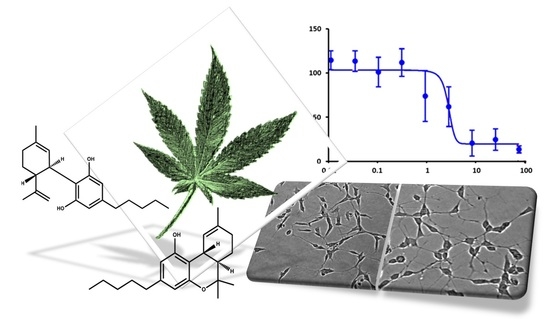
 “The anti-cancer effects of cannabinoids including CBD (Cannabidiol) and THC ((-)-trans-∆9-tetrahydrocannabinol) have been reported in the case of pancreatic cancer (PC).
 “Objective: To determine the benefit of a tetrahydrocannabinol (THC)-rich cannabis oil on symptoms and quality of life of fibromyalgia patients.
 “Many people with MS (pwMS) use unregulated cannabis or cannabis products to treat the symptoms associated with the disease. In line with this, Sativex, a synthetic combination of cannabidiol (CBD) and Δ9-tetrahydrocannabinol (Δ9-THC) has been approved to treat symptoms of spasticity.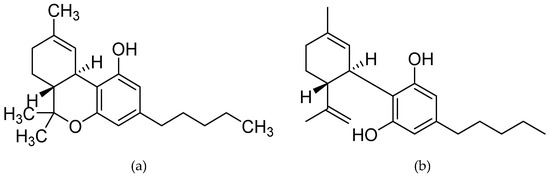
 “The prevalence of cancer pain will continue to rise as pain is common among the survivorship and general cancer population. As interest in cannabis and cannabinoids for medicinal use including pain management continues to rise, there is growing need to update and review the current state of evidence for their use. The literature was searched for articles in English with key words cannabis, cannabinoids, and cancer pain. The sources of articles were PubMed, Embase, and open Google search.