
“Objective: As medical cannabis use increases in North America, establishing its safety profile is a priority. The objective of this study was to assess rates of emergency department (ED) visits and hospitalizations due to poisoning by cannabis, and cannabis-related mental health disorders among medically authorized cannabis patients in Ontario, Canada, between 2014 and 2017.
Methods: This is a retrospective cohort study of patients who received medical cannabis authorization in Ontario, Canada, using data collected in participating cannabis clinics. Outcomes included ED visit/hospitalization with a main diagnosis code for: cannabis/cannabinoid poisoning; and mental/behavioral disorders due to cannabis use. Cox proportional hazard regressions were utilized to analyze the data.
Results: From 29,153 patients who received medical authorization, 23,091 satisfied the inclusion criteria. During a median follow-up of 240 days, 14 patients visited the ED or were hospitalized for cannabis poisoning-with an incidence rate of 8.06 per 10,000 person-years (95% CI: 4.8-13.6). A total of 26 patients visited the ED or were hospitalized for mental and behavioral disorders due to cannabis use-with an incidence rate of 15.0 per 10,000 person-years (95% CI: 10.2-22.0). Predictors of cannabis-related mental and behavioral disorders include prior substance use disorders, other mental disorders, age, diabetes, and chronic obstructive pulmonary disease.
Conclusions: The results suggest that the incidence of cannabis poisoning or cannabis-related mental and behavioral disorders was low among patients who were authorized to use cannabis for medical care. Identified predictors can help to target patients with potential risk of the studied outcomes.”
https://pubmed.ncbi.nlm.nih.gov/35866679/
https://www.tandfonline.com/doi/abs/10.1080/10826084.2022.2102193?journalCode=isum20
 “This study consists of a brief psychological intervention, which uses Self-Regulation Therapy (SRT, procedure based on suggestion and classical conditioning), to improve coping with stress and emotionality by reproducing the positive effects of illegal drugs: cannabis, cocaine, ecstasy.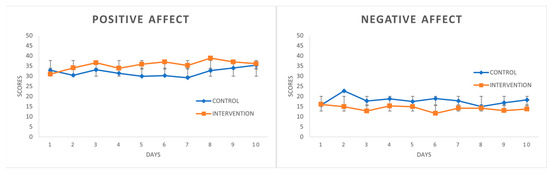
 “”Medicinal cannabis” is defined as the use of cannabis-based products for the treatment of an illness. Investigations of cannabis compounds in psychiatric and neurological illnesses primarily focus on the major cannabinoids, cannabidiol (CBD) and Δ
 “Cannabis sativa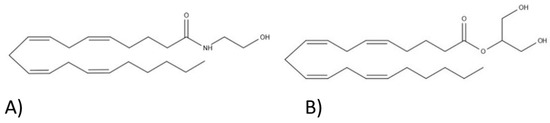
 “The potential therapeutic use of some Cannabis sativa plant compounds has been attracting great interest, especially for managing neuropsychiatric disorders due to the relative lack of efficacy of the current treatments.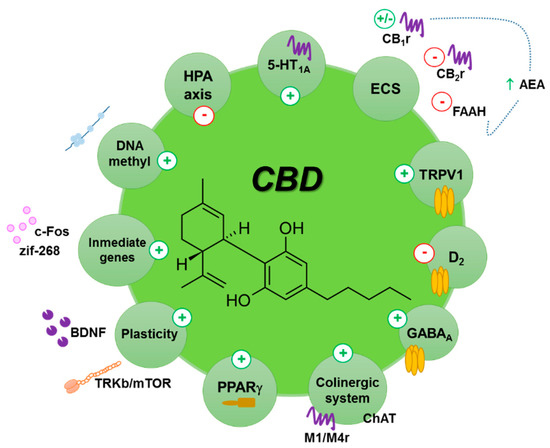
 “Emotional dysregulation and anxiety are common in people at clinical high risk for psychosis (CHR) and are associated with altered neural responses to emotional stimuli in the striatum and medial temporal lobe.
 “During the last decades, researchers have investigated the functional relevance of adult hippocampal neurogenesis in normal brain function as well as in the pathogenesis of diverse psychiatric conditions.
 “Cannabidiol (
 “Gestational methylazoxymethanol acetate (MAM) treatment produces offspring with adult phenotype relevant to schizophrenia, including positive- and negative-like symptoms, cognitive deficits, dopaminergic dysfunction, structural and functional abnormalities.
 “Considering data from in vitro and in vivo studies,